







- Where
- Dakhla, Dakhla-Oued Ed-Dahab
- Directions
- Directions
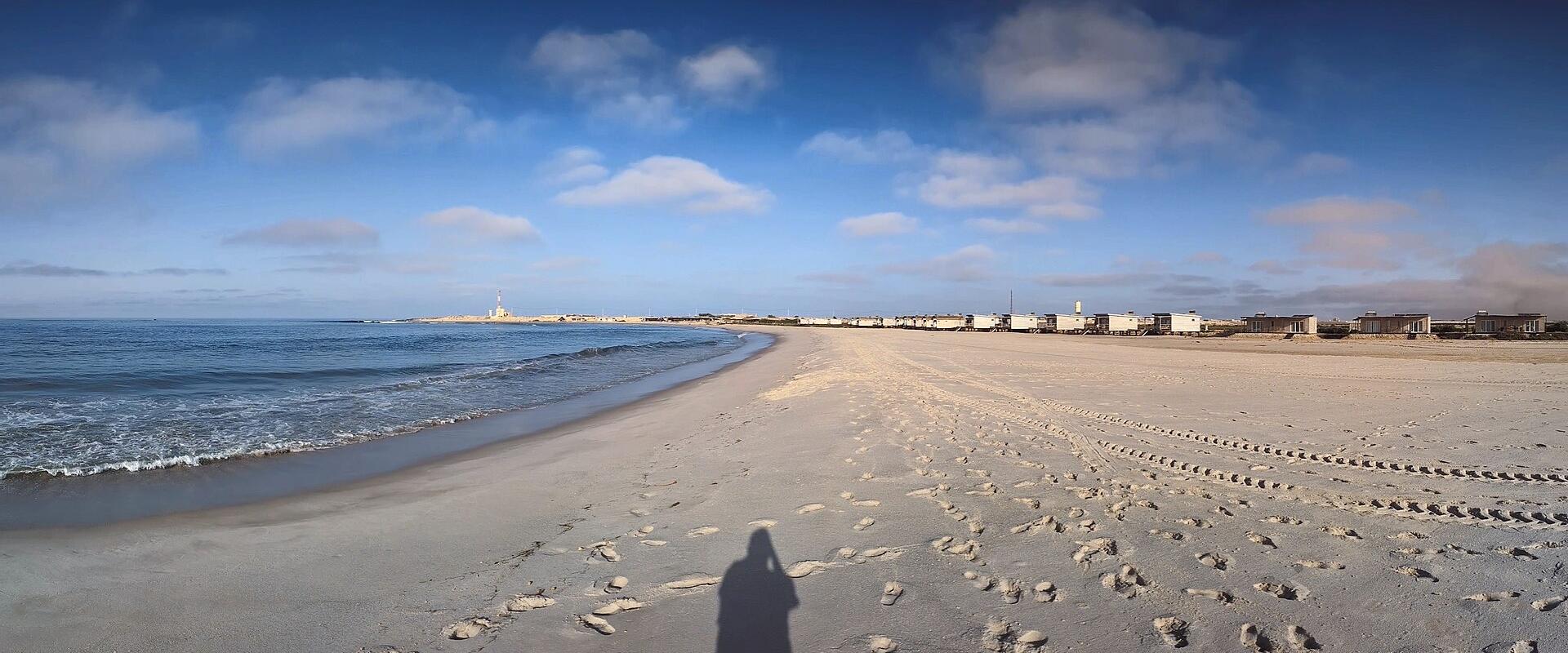
Dakhla Beach is not one stretch of sand but a series of shores around the long peninsula on which the city of Dakhla sits, on the Atlantic coast of southern Morocco, in the territory of Western Sahara administered by Morocco. The peninsula runs south-west for about forty kilometres, a narrow tongue of land between the open Atlantic on one side and the sheltered Bay of Dakhla on the other, and the beaches on each side are very different. Seeing both is the best way to understand why the place is famous.
The ocean side is wild. Waves roll in from the Atlantic onto long, pale beaches backed by dunes, the wind is constant and the water is cold, so this side is for walking, fishing and watching the surf rather than for gentle swimming. The Bay side, by contrast, faces the calm, shallow waters of the Gulf of Dakhla, where winds are strong but the water is flat, creating ideal conditions for kitesurfing and windsurfing. Most of the schools and camps are on this side, and on a windy afternoon the horizon fills with coloured kites. Between them, a ribbon of land only a few hundred metres wide in places lets you see ocean and bay at once, which is one of the town's striking views.
The setting is the wider desert coast. Sand dunes spill toward the shore, the land is flat and treeless, and the sky is huge. The region is part of the area the Spanish once called Rio de Oro, and the city itself was founded as Villa Cisneros in the late nineteenth century, a history that appears in street names, church architecture and the way people speak. Birdlife is rich, and flamingos, spoonbills and waders gather in the shallows. Parts of the peninsula and bay fall within Dakhla National Park, a protected area, so respect markings and avoid disturbing nesting birds. Historically a remote outpost, the place has become a base for travellers who want space and wind.
Visitors should plan carefully. Facilities on the beaches are basic, with few shops or shade, so bring water, sun protection and a windproof layer. Do not swim on the Atlantic side without local advice, since currents can be dangerous, and use reputable schools with trained instructors if you try kitesurfing. Dress modestly in town. Beaches are free, and public access is generally unrestricted, though some stretches are in front of private camps.
The beaches suit sports enthusiasts, photographers and anyone who loves empty landscapes. A day on the Bay side and a sunset on the ocean side give a complete picture, and many visitors add a desert excursion to the dunes. It is a distinctly different side of Morocco, with a Saharan character that sets it apart from the northern coast of Morocco’s Atlantic seaboard.
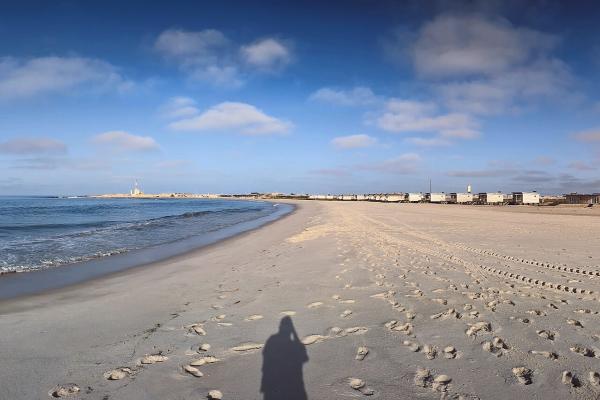
More photos coming soon
Nearby Attractions
Other places to visit in Dakhla
Dakhla Old Town (Vieille Ville)
Spanish colonial Old Town on the Atlantic coast
Cultural Experiences · History & Heritage
Dakhla Golf Course
9-hole ecological course between sea and desert
Coastal & Maritime · Natural Wonders
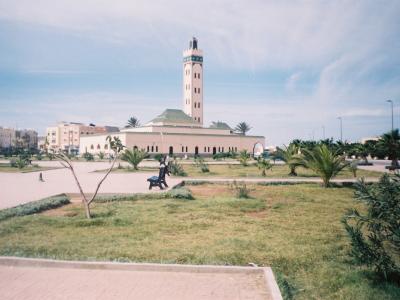
Dakhla Mosque
Modern mosque in Dakhla, Western Sahara
Cultural Experiences · History & Heritage
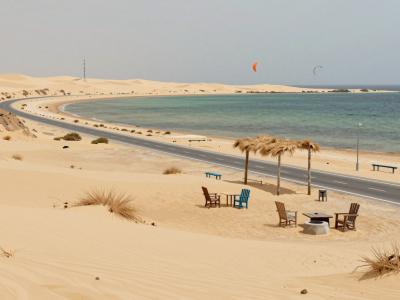
Dakhla Lagoon
Sheltered lagoon and global kitesurfing hub
Activities & Adventure · Coastal & Maritime
Questions people ask
Quick Facts
Best Time to Visit
Visit in spring or autumn for mild temperatures ideal for kitesurfing and exploring the desert landscapes comfortably.