El Jadida
Historic Portuguese fortified city and Atlantic port south of Casablanca
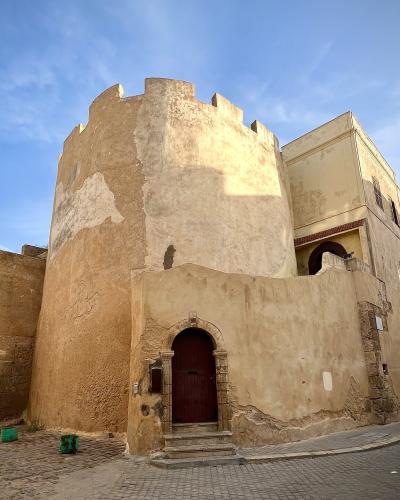
El Jadida is a city with a rich and complex history, deeply influenced by its strategic location on the Atlantic coast. Originally a small fishing village, it was fortified by the Portuguese in the early 16th century and named Mazagan. The Portuguese built the Citadel, a fine example of Renaissance military architecture, which remains one of the best-preserved examples of its kind in the world. Its star-shaped bastions, thick walls and sea gate were designed to withstand sieges and to protect ships anchored in the bay. In 1769, Sultan Mohammed ben Abdallah reclaimed the city after a siege, and the Portuguese left, and it was later renamed El Jadida, meaning 'the new one', in 1938. The city's history reflects a blend of Portuguese, Moroccan and French influences, evident in its architecture and urban layout.
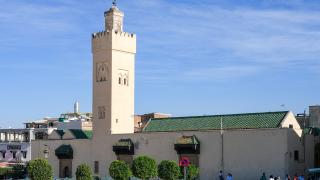
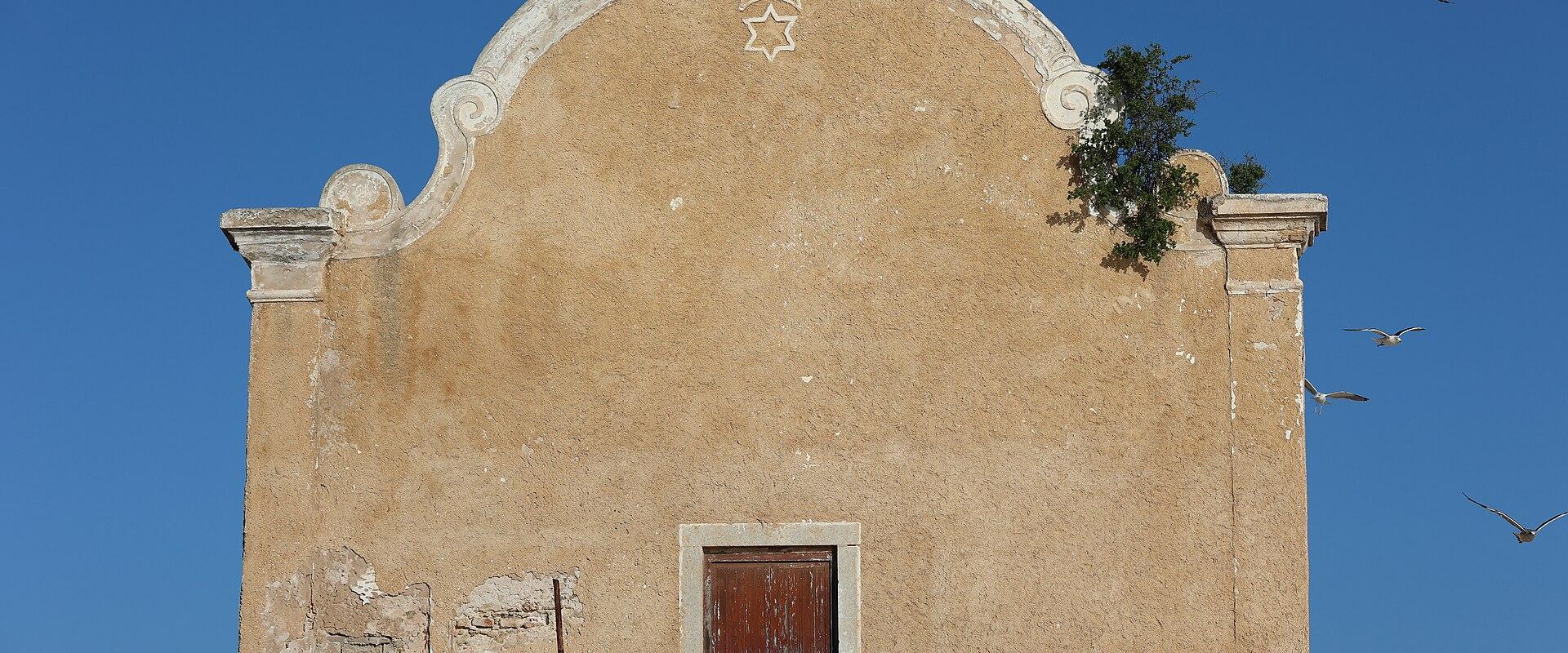
UNESCO inscribed the Portuguese City of Mazagan as a World Heritage Site, recognising it as an outstanding example of the interchange of European and Moroccan influences. Within the walls, visitors can walk the ramparts, which give wide views of the ocean and the harbour, and visit the Church of the Assumption, a Portuguese-era church whose slim tower once served as a lighthouse. After the Portuguese departure, the Moroccan authorities allowed Jewish families and others to settle in the quarter, and a synagogue and a mosque stand close to each other, a reminder of the mixed community.
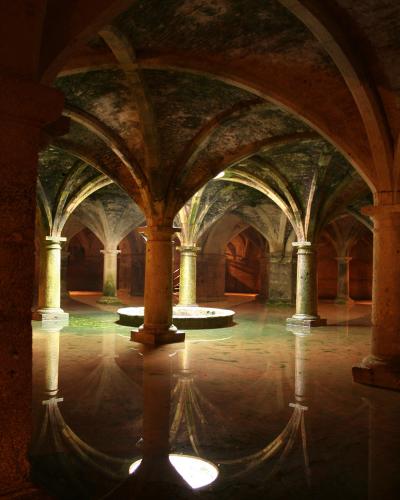
Key attractions include the Portuguese Citadel, with its gates, bastions and the lanes of the Cité Portugaise. The Portuguese Cistern, also called the Cistern of Mazagan, is a remarkable underground chamber with arched ceilings and columns, flooded with a thin layer of water that reflects light from a single opening above. It was once used to store water and is now a popular spot for photography and for occasional cultural events. Orson Welles filmed scenes of his Othello here, drawn by the unusual atmosphere of the vaults.
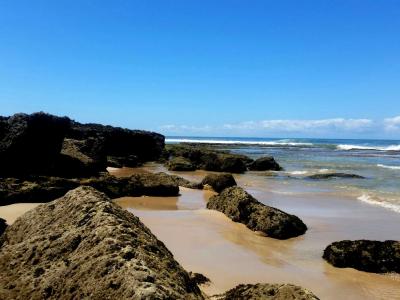
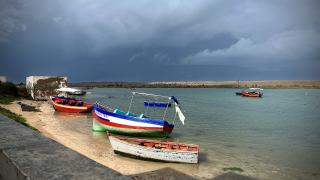
Outside the walls, the city's beaches, such as the Corniche, offer opportunities for swimming, sunbathing and water sports, and cafés and restaurants line the seafront. The port is a lively area where visitors can watch fishing boats return with their catch and enjoy fresh seafood at local restaurants, including grilled fish and shellfish served simply. The town centre has a modern market and a medina quarter with everyday shops, and it is more relaxed than the large cities.
Activities in El Jadida include exploring the medina and the Portuguese quarter, visiting the cistern and relaxing on the beaches. The city makes a base for day trips along the coast to places such as the nearby village of Sidi Bouzid and the lagoon of Oualidia, known for its oysters, and to the palm groves and farmland inland. Birdwatching and walks along the shore are also pleasant in the cooler months.
Getting to El Jadida is convenient by road from Casablanca, with regular bus services and car rentals available. The best time to visit is spring, from March to May, or autumn, from September to November, when the weather is mild and pleasant. Summer can be hot and humid, and busy with holidaymakers, while winter is cool and rainy. Accommodation ranges from luxury hotels to budget-friendly guesthouses, catering to a wide range of visitors.
Best Time to Visit
Visit in spring or autumn for mild temperatures ideal for exploring the citadel and coastal areas comfortably.
Did you know?
Interesting, verified facts about El Jadida
Orson Welles Filmed "Othello" in El Jadida's Underground Cistern
Film & TVBeneath El Jadida's Portuguese fortress lies a vaulted underground chamber, converted into a cistern in 1541, where a thin sheet of water on the floor mirrors its Gothic columns and arches. Orson Welles was so taken with the space that he used it as a filming location for his Shakespeare adaptation "Othello," which went on to share the Grand Prix — the top prize, ex aequo with Renato Castellani's "Two Cents Worth of Hope" — at the 1952 Cannes Film Festival. It remains the most famous of several films shot inside the cavernous chamber, which visitors can still step into today.
Source: WikipediaPlan Your Visit to El Jadida
Essential travel tips and information for your trip to El Jadida.
Suggested Itineraries
Discovering El Jadida
1 dayOne-day exploration of El Jadida's Portuguese heritage and Atlantic...
View ItineraryTravel Tips
Currency
MAD • Cards widely accepted
Language
Moroccan • English in tourist areas
WiFi
Free WiFi in cafes and hotels
Explore El Jadida by Interest
Discover attractions and experiences in El Jadida organized by your interests and travel preferences.
All attractions in El Jadida
Sorted by our recommendation score
Quick Facts
Book your stay
Frequently Asked Questions
More destinations in Casablanca-Settat
Explore other amazing places in the Casablanca-Settat region