Sidi Bouzid
Coastal town in El Jadida Province with historic Portuguese roots
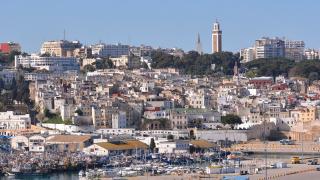
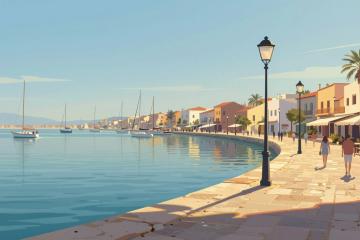
Sidi Bouzid is a town in the El Jadida Province of the Casablanca-Settat region, on the Atlantic coast of Morocco. It lies a short drive from El Jadida, along the coastal road that continues toward Oualidia. Like many Moroccan places named Sidi, it takes its name from a local holy man, a respected figure whose memory the community has kept alive, and the town grew up around the fishing and farming that suited this exposed, fertile stretch of coast.
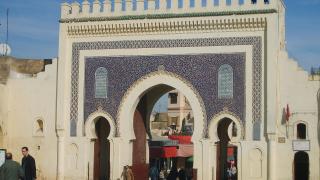
The history of Sidi Bouzid is intertwined with the broader history of the region, which has been shaped by Portuguese and French colonial periods. The Portuguese built the fortified city of Mazagan nearby in the early 16th century, and that port, now part of El Jadida and listed by UNESCO, shaped the movement of trade and people for centuries. Sidi Bouzid itself remained a traditional fishing and agricultural community, and it still has the feel of a village that grew by degrees rather than by planning.
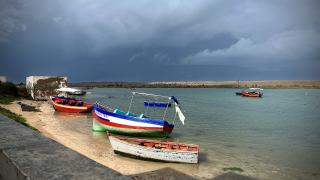
The local economy relies heavily on fishing. The port is a hub for local fishermen who bring in daily catches of sardines and other seafood, and the early morning landing is the most lively moment of the day. Boats are small, nets are mended on the quay, and buyers gather as the fish come ashore. The atmosphere is tranquil and unhurried, offering visitors a chance to observe traditional ways of life without much staging for tourists.
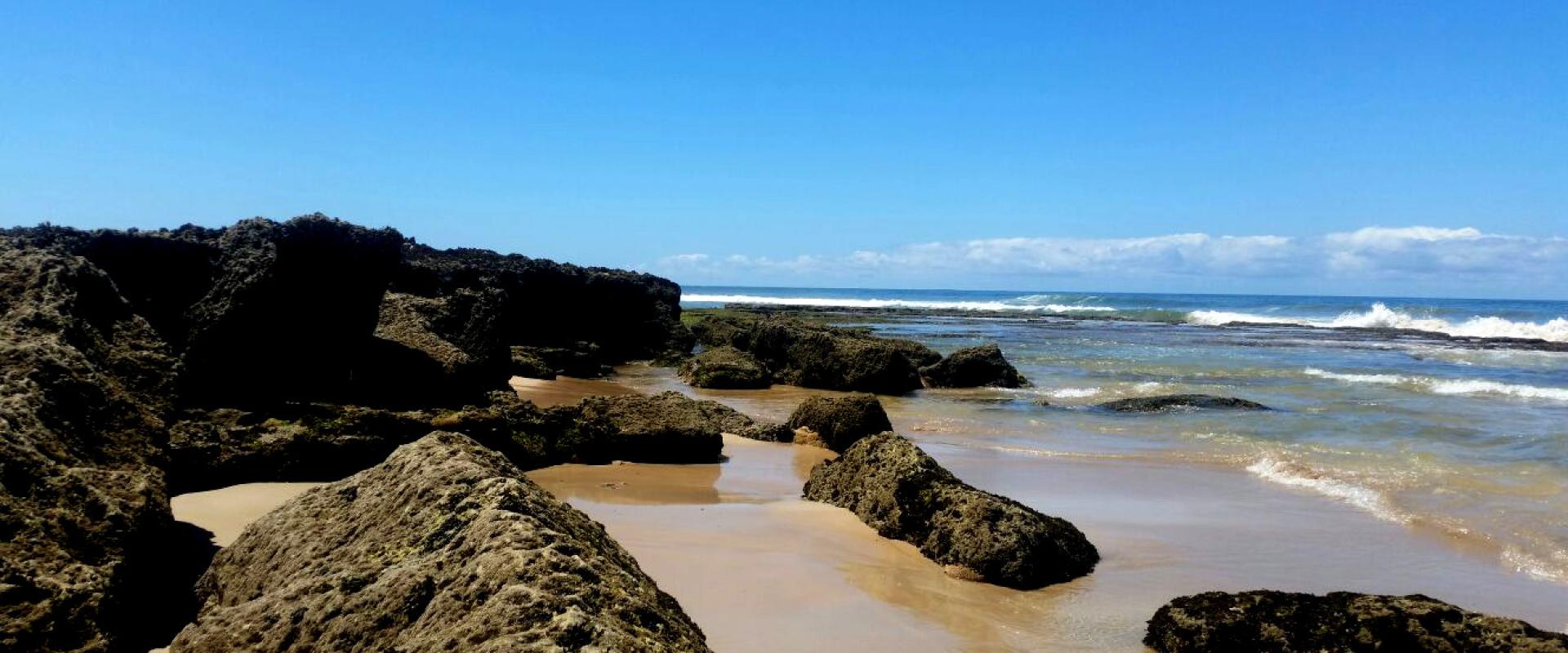
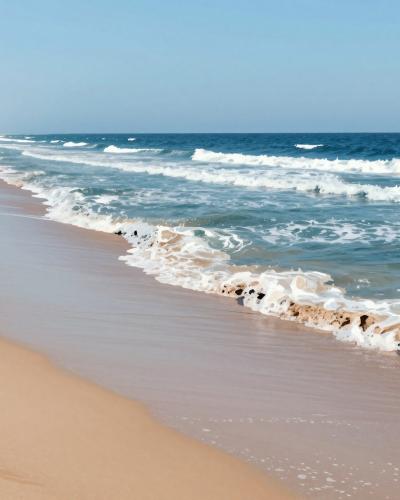
The main attraction is Sidi Bouzid Beach, a long sandy shore that is popular for swimming and sunbathing in summer. In July and August it fills with Moroccan families, and cafés and stalls open along the front. Outside the high season it is much calmer, and the beach is mostly used by walkers and anglers. The Atlantic can be strong, so it is wise to ask locals about the conditions before swimming, and to take care when the surf is heavy. The nearby coastal landscapes, with their rocks, dunes and open sea views, are good for long walks, especially around sunset.
Away from the water, the town works as a gateway to exploring the surrounding rural areas, including olive groves and small villages. The region is known for its agricultural products, particularly olives and citrus fruits, which are sold at the local souk. A visit to the weekly market is a pleasant way to buy fresh produce, spices and simple crafts and to see how farmers and fishing families meet. Walking through the lanes gives a sense of the daily rhythm, from the call to prayer to the afternoon tea in the cafés.
Many visitors combine Sidi Bouzid with a trip to El Jadida, where the Portuguese cistern and ramparts of Mazagan can be explored, or with Oualidia, further down the coast, known for its lagoon and oysters. The area also makes a calm break from the larger cities of the coast.
Getting to Sidi Bouzid is convenient by road from El Jadida or Casablanca, with regular bus services available. The climate is Mediterranean in character, with mild, wet winters and warm, dry summers. The best time to visit is spring, from March to May, or autumn, from September to November, when the weather is pleasant for outdoor activities. Summer can be hot, although the sea breeze helps, while winter may bring rain. Accommodation options are limited but include guesthouses and small hotels that offer basic and comfortable stays.
Best Time to Visit
Visit in spring or autumn for mild temperatures ideal for beach activities and exploring the coastal areas comfortably.
Plan Your Visit to Sidi Bouzid
Essential travel tips and information for your trip to Sidi Bouzid.
Suggested Itineraries
Travel Tips
Currency
MAD • Cards widely accepted
Language
Moroccan • English in tourist areas
WiFi
Free WiFi in cafes and hotels
Explore Sidi Bouzid by Interest
Discover attractions and experiences in Sidi Bouzid organized by your interests and travel preferences.
All attractions in Sidi Bouzid
Sorted by our recommendation score
Quick Facts
Book your stay
Frequently Asked Questions
More destinations in Casablanca-Settat
Explore other amazing places in the Casablanca-Settat region