

Historical Architectural Layers
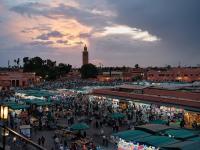
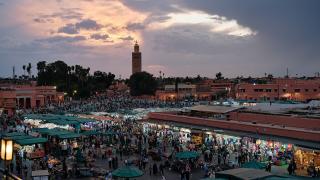
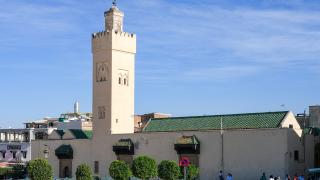
Morocco’s Islamic architecture evolved through distinct dynastic layers. The Idrisids founded Fes and the Qarawiyyin Mosque in 859. Their structures were robust and fortress-like. The Almoravids established Marrakech in 1062. They continued this military aesthetic. The Almohads introduced monumental scale. They built the Koutoubia and Hassan Tower. These structures featured geometric precision. The Marinids oversaw a golden age. They constructed decorative madrasas in Fes. This era refined Islamic design. A major shift occurred post-1492. Muslims expelled from Spain arrived. They brought Andalusian influences. This added refined stucco work. Cedar wood became prominent. Water features integrated into residential riads. Early styles remained military and heavy. Later styles became residential and refined. These layers coexist without erasure. The result is a living palimpsest. It blends Berber, Islamic, and Andalusian elements. This unique blend defines Moroccan heritage. It spans over 1,000 years. The architecture reflects continuous evolution. Each dynasty left a specific mark. The visual distinction remains clear today.
Defining Design Elements
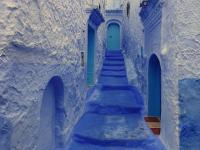
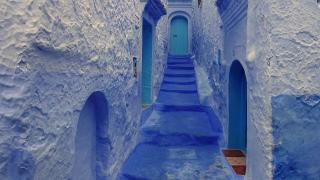
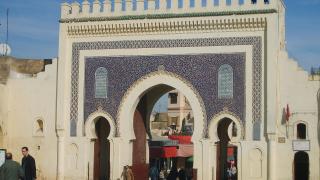
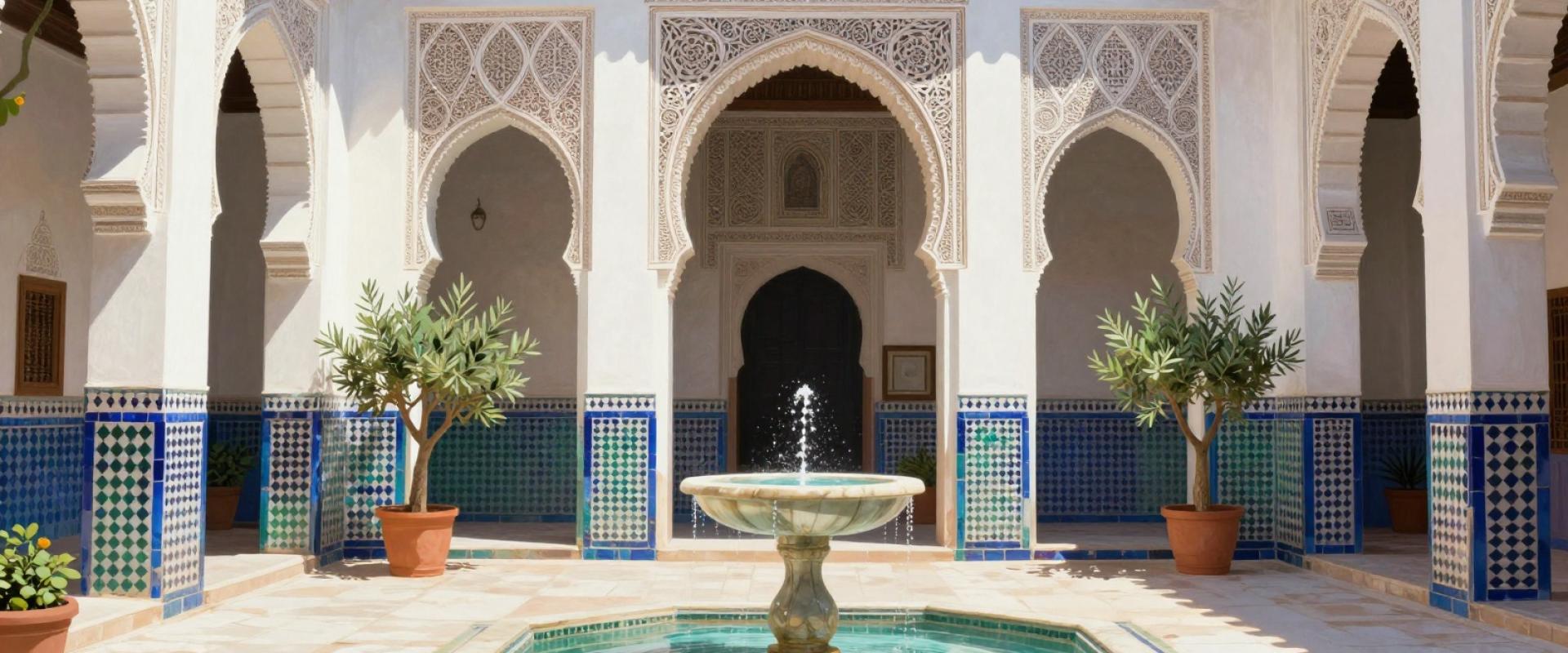
Moroccan Islamic architecture features distinct regional elements. Zellige tilework creates geometric mosaics symbolizing infinity. These intricate patterns cover walls and floors. Muqarnas provide structural and decorative honeycomb vaulting. This stucco work supports ceilings elegantly. Interior courtyards, known as Riads, ensure privacy. They also facilitate natural climate control. Carved plaster displays complex floral motifs. Cedar wood frames doors and ceilings. The color palette uses regional earth tones. Blues and greens dominate decorative schemes. These styles evolved from Andalusian influences. Muslim refugees brought these techniques in 1492. Marinid dynasties perfected madrasa decorations. Almoravid structures utilized robust fortress designs. Idrisid foundations established early Islamic styles. Materials reflect local availability and tradition. Plaster allows for detailed surface carving. Wood provides warmth and structural integrity. Tilework offers durability and visual rhythm. Courtyards connect interior spaces to nature. Each element serves functional and spiritual purposes. This architectural language remains unique to Morocco. It distinguishes Moroccan structures from other Islamic regions. The blend of Berber and Arab styles persists. Modern buildings often incorporate these traditional motifs. Historical sites preserve these original design principles.
Key Historical Landmarks
The Bou Inania Madrasa in Fez exemplifies Marinid scholarly architecture. Built in the 14th century, it features intricate zellige tilework. The Hassan II Mosque in Casablanca combines modern engineering with tradition. Its minaret stands 210 meters tall, the highest in the world. Construction began in 1986 and concluded in 1993. The Bahia Palace in Marrakech showcases late 19th-century aristocratic design. Sultan Moulay Abderrahman commissioned it to reflect his power. The Kasbah of the Udayas in Rabat displays Andalusian coastal influence. Refugees from Spain brought these distinct stylistic elements. These structures demonstrate Morocco’s rich Islamic heritage. Each landmark offers unique historical context for visitors. The Bou Inania Madrasa remains a center for learning. The Hassan II Mosque accommodates 105,000 worshippers. The Bahia Palace contains over 150 rooms. The Kasbah overlooks the Atlantic Ocean. These sites preserve centuries of architectural evolution. They highlight the blend of Berber and Islamic styles. Visitors can explore these landmarks year-round. Each site provides insight into Morocco’s dynastic history. The Marinid, Saadian, and Alaouite dynasties left their marks. Their contributions define the country’s built environment today.
Visitor Etiquette and Access
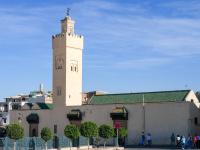
Most mosques in Morocco restrict entry to non-Muslims. The Hassan II Mosque in Casablanca is a notable exception. It welcomes visitors for guided tours. Dress modestly at all historical sites. Cover shoulders and knees for respect. Remove shoes before entering prayer areas. Check signage for photography rules. Ask permission before photographing people. Prayer times cause frequent closures. Plan visits around these shifts. Crowds increase significantly after prayers. Guided tours are highly recommended. They provide essential historical context. Navigating complex medinas is easier with a guide. Local experts explain architectural details. They highlight specific Marinid or Almohad features. This enhances understanding of Islamic design. Respect local customs strictly. Silence is expected in sacred spaces. Follow all posted instructions carefully. This ensures a respectful experience. It also protects fragile heritage sites. Always verify opening hours in advance. Schedules change during religious holidays. Preparation prevents disappointment. Enjoy Morocco’s rich architectural legacy responsibly.
Preservation and Modern Context
The Moroccan government employs traditional craftsmen for restoration projects. These artisans maintain authentic techniques for zellige and carved plaster. This approach ensures structural integrity while preserving historical accuracy. Urbanization and tourism pressure threaten these fragile sites. Rapid development in cities like Fez and Marrakech creates significant stress on ancient infrastructure. Visitors must choose heritage-focused accommodations to support local preservation funds. Staying in restored riads directly contributes to conservation efforts. Responsible tourism requires respecting strict visitor limits at sensitive landmarks. Many madrasas and palaces have restricted access to prevent wear. Tourists should adhere to site fragility guidelines strictly. Avoid touching delicate surfaces or using flash photography indoors. These measures protect the intricate geometric patterns and muqarnas from damage. Supporting local guides who emphasize historical context also aids preservation. Their expertise helps visitors understand the value of these structures. This mindful approach ensures that Islamic architectural heritage remains intact for future generations. It balances modern tourism demands with the urgent need for conservation.