Aït Benhaddou
UNESCO fortified ksar on historic caravan route in Draa-Tafilalet
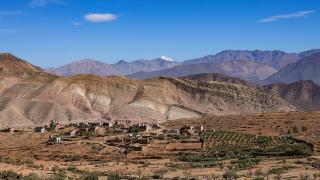
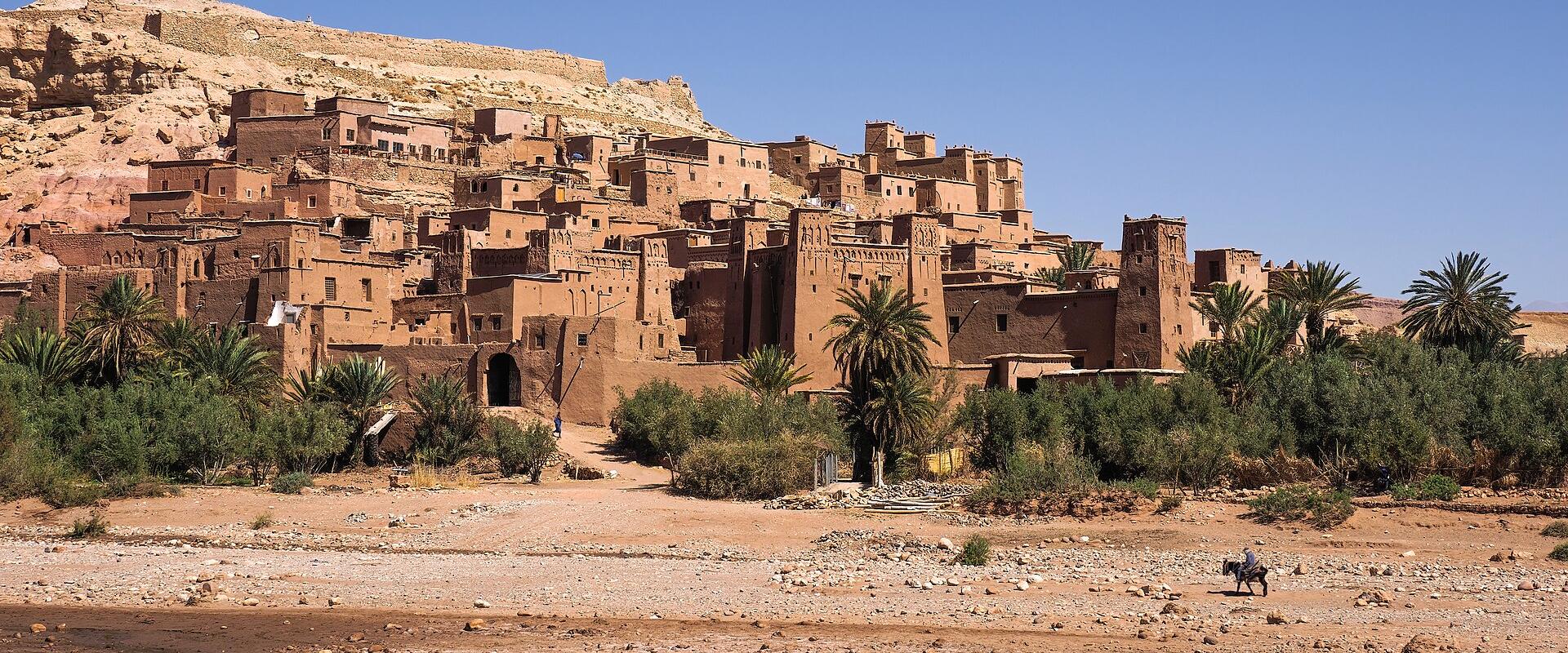
Aït Benhaddou is a notable example of the architectural skill of the Berber people and one of the most impressive examples of ksour (plural of ksar) in Morocco. UNESCO inscribed it as a World Heritage site in 1987, recognising it as an outstanding example of southern Moroccan earthen architecture. The site's history is rooted in the trans-Saharan trade routes, where it served as a resting place and trading post for caravans transporting gold, salt and enslaved people. Stories of the caravans are still told in the village, and the nearby road to Marrakech follows an old track over the High Atlas.
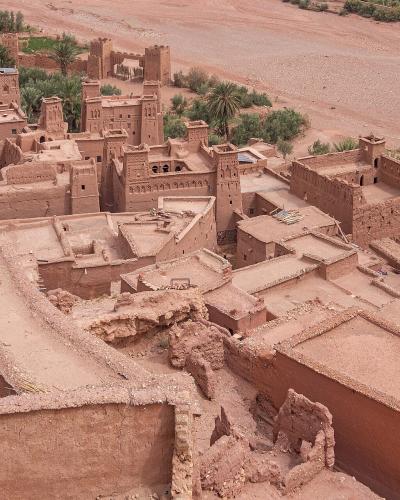
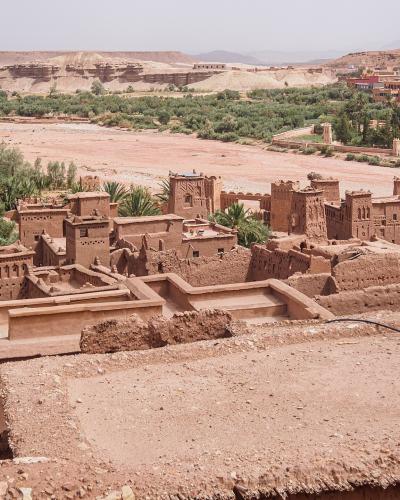
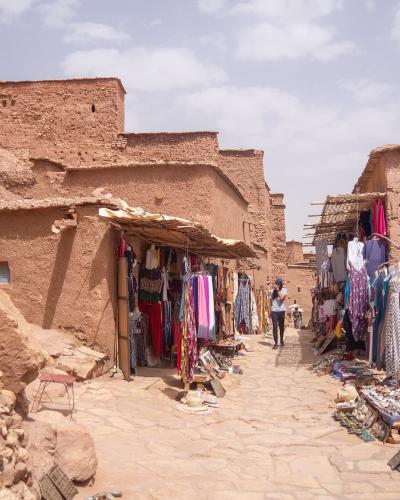
The ksar was built on a hill to protect its inhabitants and goods from raiders, using the natural topography for defence. The architecture is characterised by the use of rammed earth and straw, creating structures that blend with the arid landscape. Decorative brick patterns crown the corner towers of the tall houses, called tighremt, and narrow lanes wind between them. The complex includes several distinct sections, such as the granaries, which were used to store grain and valuables, and the kasbahs, which served as residences for the local leaders. The Kasbah of Tighremt Oufella is one of the prominent fortified houses, and the Granary Tower, sometimes called the Ammar Tower, stands near the top. The most prominent structure is the Kasbah of the Pasha, which offers panoramic views of the surrounding valley.
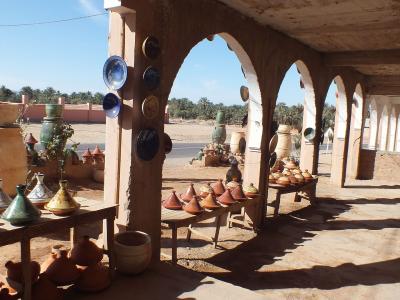
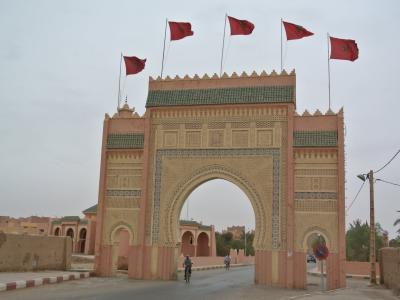
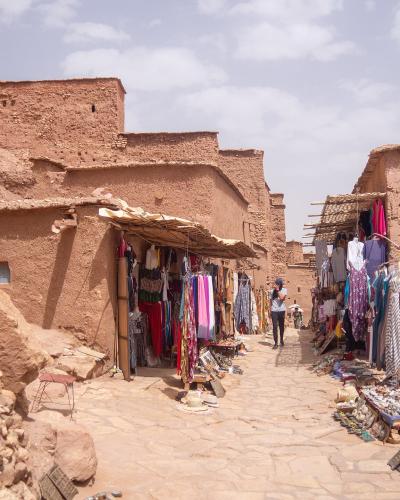
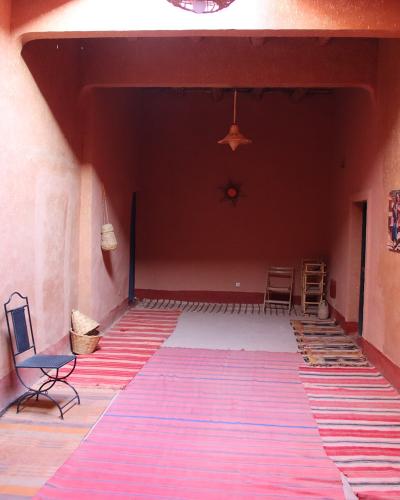
The village is divided into two main parts: the upper village, which contains the most significant historical structures, and the lower village, where the local community still lives. The main gate, known locally as Bab El Hadid, opens onto a lane of small souks selling carpets, paintings and souvenirs. A few families still live in the old ksar, and many houses have been converted to shops, workshops or guesthouses. Visitors reach the ksar by crossing the Ounila River, which is usually a shallow stream bed, although after rain a bridge or stepping stones may be needed and crossings can be difficult.
Despite the passage of time and the decline of the caravan trade, Aït Benhaddou has preserved its structural integrity, largely thanks to ongoing restoration efforts. Earthen buildings need regular maintenance, since rain and wind erode the walls, and local residents, with support from heritage programmes, re-coat the surfaces with fresh clay. The site gained international fame in the 20th century when it was chosen as a filming location for numerous Hollywood and European productions, including 'Lawrence of Arabia,' 'The Last Temptation of Christ,' and 'Gladiator,' and later, scenes of the television series 'Game of Thrones.' The nearby Atlas Studios in Ouarzazate supply further sets.
This cinematic association has brought attention to the site, making it a popular destination for tourists. Visitors can explore the narrow alleyways and climb to the top of the granaries for wide views of the Ounila Valley and the Atlas Mountains. The local community is actively involved in tourism, offering guided tours and selling traditional crafts, and some families welcome guests into traditional Berber houses to explain how rooms, stairs and storage areas are arranged. Nearby, the kasbah of Tamdaght and the palm groves of the valley give more to see in a day.
The best time to visit is during the spring or autumn months when the weather is mild and comfortable for walking around the site. Summer can be extremely hot, while winter nights can be cold. Access to Aït Benhaddou is primarily by road from Ouarzazate, about 30 kilometres away. The drive offers scenic views of the desert landscape and the Atlas Mountains. Visitors should be prepared for uneven terrain and wear comfortable shoes. The site is well maintained, with signs and paths to guide visitors through the various structures. A stay in one of the guesthouses lets visitors see the ksar in the early morning, before the day trippers arrive, and gives a quieter and more atmospheric experience of the place.
Best Time to Visit
Visit in spring or autumn for mild temperatures ideal for exploring the ksar and surrounding desert landscapes comfortably.
Did you know?
Interesting, verified facts about Aït Benhaddou
Aït Benhaddou stood in for Yunkai and Zucchabar
Film & TVThe UNESCO clay city near Ouarzazate has served as the on-screen location for the fictional cities of Yunkai and Zucchabar in major film and television productions.
Source: external sourcePlan Your Visit to Aït Benhaddou
Essential travel tips and information for your trip to Aït Benhaddou.
Suggested Itineraries
Travel Tips
Currency
MAD • Cards widely accepted
Language
Moroccan • English in tourist areas
WiFi
Free WiFi in cafes and hotels
Explore Aït Benhaddou by Interest
Discover attractions and experiences in Aït Benhaddou organized by your interests and travel preferences.
All attractions in Aït Benhaddou
Sorted by our recommendation score
Quick Facts
Book your stay
Frequently Asked Questions
More destinations in Draa-Tafilalet
Explore other amazing places in the Draa-Tafilalet region