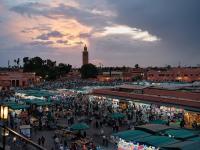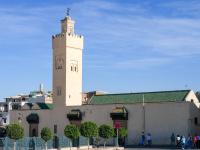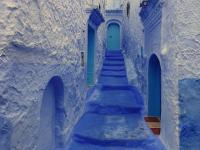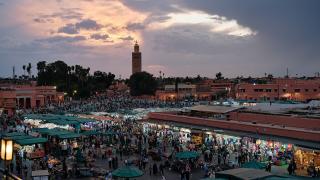


Route Geography Overview
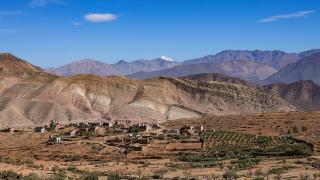
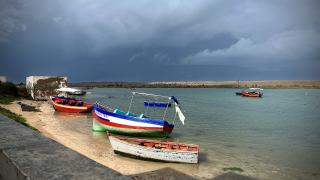
The Atlantic Coast Road Trip in Morocco spans a vast geographical gradient. The route begins in the north near Essaouira. This area features bohemian surf swells and coastal towns. Travelers then move south toward Taghazout. The landscape transitions from urban centers to arid environments. The roaring Atlantic Ocean meets the silence of the Sahara Desert. This legendary route combines adrenaline with cultural exploration. The journey extends toward the white dunes of Dakhla. This southern terminus offers absolute freedom and open spaces. Infrastructure density decreases significantly as you travel south. Roads become less developed in remote desert regions. Total distance considerations are critical for planning this adventure. The route requires careful logistical preparation. Driving conditions vary from paved highways to sandy tracks. You will encounter diverse physical characteristics along the way. The geography shifts from green coastal strips to barren dunes. This progression defines the unique character of the Moroccan Atlantic coast. The route demands attention to changing terrain and climate.
Vehicle and Road Conditions
A standard two-wheel-drive vehicle suffices for the primary coastal highways. These paved routes connect major towns like Essaouira and Taghazout. The road surface is generally well-maintained and smooth. However, conditions deteriorate significantly in remote southern regions. Travelers heading toward Dakhla must consider a four-wheel-drive vehicle. The terrain shifts from coastal plains to desert edges. Potholes and unpaved sections appear frequently outside main cities. Fuel stations are abundant in urban centers and larger towns. They are sparse in the vast stretches between settlements. Carry extra cash for fuel purchases in rural areas. Credit card acceptance is limited at smaller stations. Navigation apps may lack detail for secondary roads. Download offline maps before entering remote coastal zones. GPS signals can drop in narrow valleys or dunes. Local drivers often rely on landmarks rather than signs. Road signs are sometimes faded or missing entirely. Always carry a physical map as a backup. Driving speeds are lower on winding coastal roads. Expect slower travel times than distance calculations suggest. Police checkpoints are common and routine. Keep your license and registration documents accessible. The Atlantic coast offers freedom but demands preparation. Proper vehicle choice ensures safety and reliability.
Key Coastal Destinations
Taghazout serves as a primary surf hub. Local surf schools offer daily lessons. Rental fees typically range from 100 to 150 MAD. The town attracts international backpackers year-round.
Essaouira holds significant cultural heritage. The medina is a UNESCO World Heritage site. Art galleries and craft markets operate daily. Visitors explore the historic port and ramparts.
Agadir provides extensive resort infrastructure. The city features modern hotels and beaches. It serves as a logistical base for travelers. Families often choose this stop for amenities.
Dakhla functions as a remote adventure hub. The lagoon offers ideal conditions for kitesurfing. Wind speeds are consistent throughout the year. Access requires a long drive from the north. This destination appeals to serious water sports enthusiasts.
Carry your valid driver’s license and international permit. Moroccan police enforce traffic laws strictly along the coast. Speed limits are lower in populated areas like Essaouira. Police checkpoints are common near major towns. Always keep vehicle registration documents accessible. Watch for livestock crossing rural highways near Taghazout. Camels and goats often wander onto paved roads. Drive cautiously during dawn and dusk hours. GPS signals may weaken in remote coastal stretches. Download offline maps before leaving Essaouira. Mobile coverage drops significantly near the Senegal border. Carry a physical paper map as backup. Fuel stations are sparse between major hubs. Fill your tank whenever possible. Avoid night driving due to poor lighting. Local drivers may not use turn signals frequently. Maintain a safe following distance at all times. Report accidents to local authorities immediately. Emergency numbers are 15 for police and 150 for medical aid. Keep cash for small tolls or fines. Credit cards are not accepted everywhere. Plan stops around available fuel sources. Respect local driving customs to avoid conflicts.
Accommodation and Logistics
Accommodation varies significantly by region. Northern towns like Essaouira offer diverse options. Budget hostels and mid-range hotels are common. These cater to the international backpacker crowd. Prices remain stable year-round. Southern destinations near Dakhla differ. Lodging here is sparse and specialized. Camps and eco-lodges dominate the landscape. Booking is essential during peak seasons. Winter months attract surfers to Taghazout. Reserve rooms weeks in advance. Summer sees fewer tourists but higher heat. Cash remains the primary payment method. Small guesthouses rarely accept credit cards. Carry sufficient Moroccan Dirhams for rural stops. ATMs are available in Essaouira. They are scarce in remote coastal areas. Fuel stations appear every 50 kilometers. Plan refueling stops carefully. Amenity variations are stark. Northern hotels provide standard Western facilities. Southern camps offer basic sanitation. Bring personal toiletries for remote stays. Electricity is reliable in towns. Solar power is common in desert camps. Pack power banks for charging devices. Navigation apps work well on paved roads. Signal drops in isolated dunes. Download offline maps before departure. This ensures safe routing. Logistics require flexibility. Weather impacts coastal travel. Strong winds affect ferry schedules. Check local conditions daily. This section ensures smooth transit. Proper preparation enhances the experience. Focus on practical needs. Avoid overpacking for desert nights. Light layers suit variable temperatures. This approach simplifies the journey.