
Culinary Immersion Overview
Moroccan cuisine holds deep cultural significance. Active learning offers more value than passive dining. Participants engage directly with local traditions. Private classes provide personalized instruction. Group tours offer social interaction. Experiences occur in Marrakech, Fes, and Essaouira. Local chefs teach traditional techniques. Students prepare tagine and couscous. Pastilla and msemen are also common. Market-to-table tours connect ingredients to dishes. Half-day sessions last approximately four hours. Full-day experiences span six to eight hours. Technical skills include spice blending. Appreciation covers historical context. Prices vary by location and duration. Booking tips ensure quality experiences. Schools operate daily in major cities. This approach distinguishes active tourism from standard dining. You gain practical cooking abilities. You also understand cultural heritage. This method defines culinary immersion in Morocco.
Class Formats and Locations
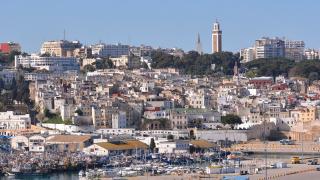
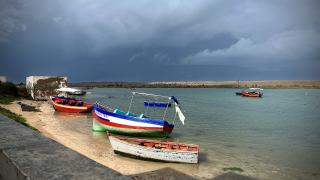
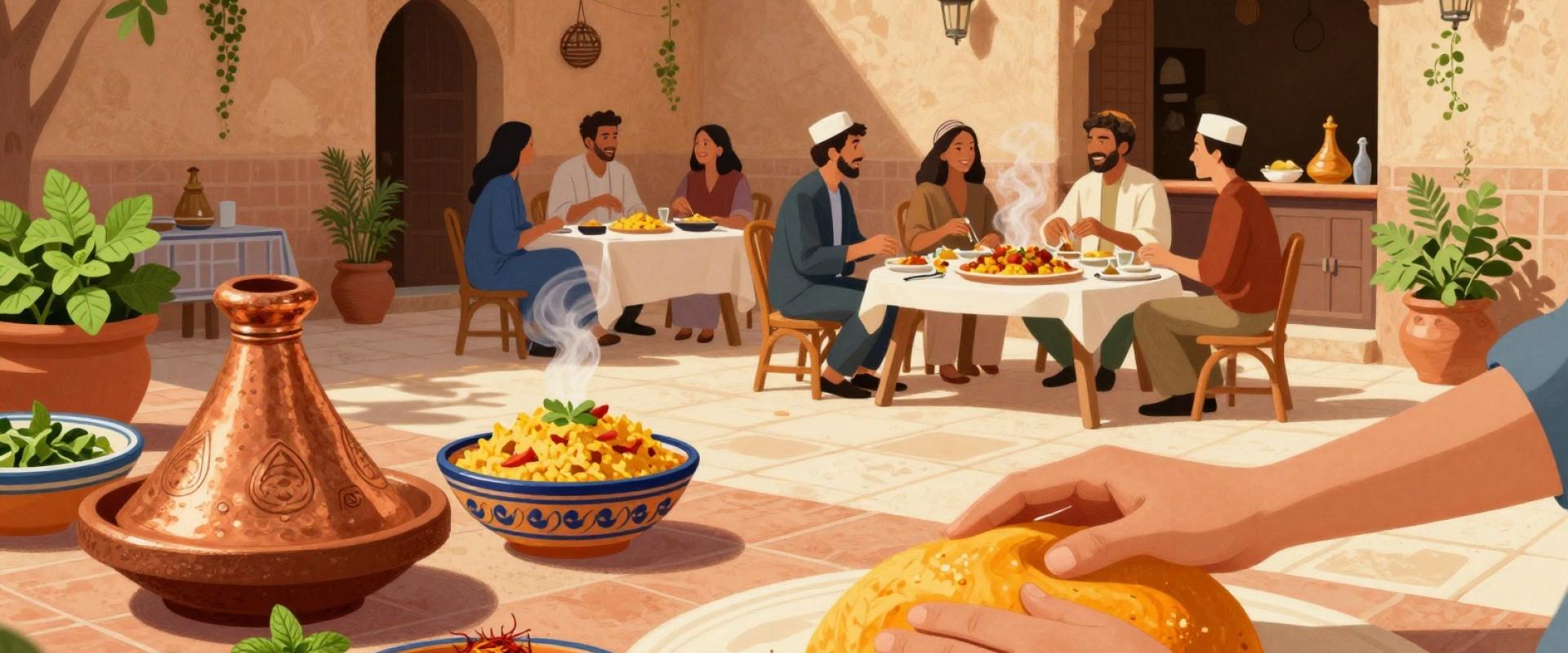
Most classes occur in traditional riads within Marrakech and Fes medinas. These settings offer authentic cultural immersion for participants. Instructors typically guide groups through market visits first. Participants then return to prepare tagines and couscous. Essaouira offers distinct seafood-focused workshops near the port. Fes emphasizes traditional bread baking in communal ovens. Medina access requires careful logistical planning. Narrow alleys often restrict vehicle entry. Guests usually walk from designated meeting points. Classes range from half-day to full-day durations. Prices vary by location and group size. Private sessions cost more than shared experiences. Booking in advance is recommended during peak seasons. Local chefs teach regional specialties using fresh ingredients. This approach ensures authentic culinary education. Travelers should verify specific riad locations beforehand. Some medina entrances are difficult to navigate. Clear instructions help prevent confusion upon arrival. The experience combines practical skills with cultural context.
Cost Structures and Budgeting
Private cooking classes in Morocco typically cost between 300 and 600 MAD per person. Group tours offer lower rates, often ranging from 150 to 300 MAD. These prices usually include all fresh ingredients and the prepared meal. Tips for instructors are generally not included in the base fee. Market-to-table experiences in Marrakech or Fes may cost slightly more due to transport. Bundle deals for multiple classes can reduce overall expenses significantly. Budget travelers should consider half-day sessions, which are cheaper than full-day programs. Full-day classes in Essaouira or rural areas often include lunch. Always verify if transportation from your riad is included. Group discounts apply when booking for four or more participants. Cash in Moroccan Dirhams is preferred for small local vendors. Credit cards are accepted at established cooking schools in major cities. Plan for an additional 50 to 100 MAD for optional market souvenirs. Pre-booking online often secures better rates than walk-in inquiries. Verify inclusions carefully to avoid unexpected costs during your culinary immersion.
Booking and Selection Criteria
Verify hygiene standards before booking. Inspect kitchen cleanliness in online photos. Read recent reviews on trusted platforms. Look for consistent praise regarding food safety. Prioritize small group sizes for better instruction. Groups under ten participants ensure adequate attention. Large classes often reduce individual learning time. Support local communities through your choices. Select cooperatives that employ local women. These initiatives preserve traditional culinary techniques. Market-to-table tours connect you with producers. This model ensures fresh, authentic ingredients. Avoid generic tours in tourist zones. Seek classes in residential medina areas. Marrakech and Fes offer diverse options. Essaouira provides coastal culinary experiences. Half-day sessions last approximately three hours. Full-day classes span six to eight hours. Book directly with schools when possible. This supports local businesses directly. Confirm ingredient sourcing in your inquiry. Ask about cooperative partnerships explicitly. Verify group size limits beforehand. Small groups enhance the educational value. Hygiene and community support matter most.
Practical Preparation and Etiquette
Communicate dietary restrictions clearly when booking. Specify allergies to nuts, gluten, or dairy. Moroccan kitchens use these ingredients heavily. Dress modestly for market visits. Cover shoulders and knees in medinas. This shows respect for local norms. Hygiene is critical during food prep. Wash hands thoroughly before handling ingredients. Use provided aprons to protect clothing. Observe cultural etiquette during meals. Eat with your right hand only. The left hand is considered unclean. Wait for the host to begin eating. Do not rush the meal. Engage politely with market vendors. Bargain gently but fairly. Avoid aggressive haggling over small amounts. Ask permission before photographing people. Respect privacy in private homes. Listen actively to instructor guidance. Ask questions after demonstrations conclude. This maintains class flow and respect.