Casablanca
Morocco's economic hub blending Art Deco architecture and Atlantic coast
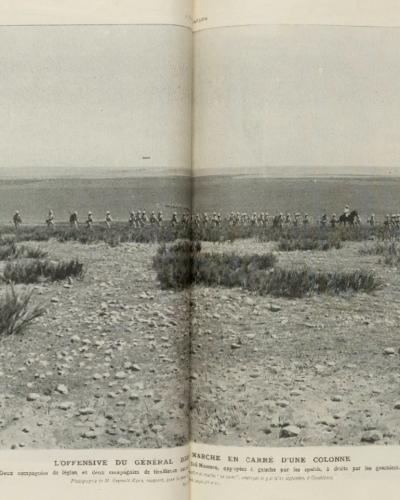
Casablanca, known locally as 'Dar Beida' (White House), is the economic capital of Morocco and the largest city in the country. Located on the Atlantic coast, it is the nation's primary commercial and industrial hub. The site was once the Berber town of Anfa, which the Portuguese destroyed in the 15th century, and later the Portuguese built a small settlement they called Casa Branca. The city's history dates back to the 7th century, but it gained prominence during the French protectorate in the early 20th century, which shaped its urban layout and architectural style, and after an 18th-century rebuilding by Sultan Mohammed ben Abdallah, who gave the place its Arabic name.
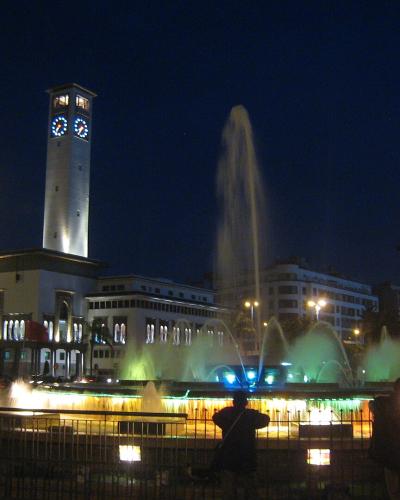
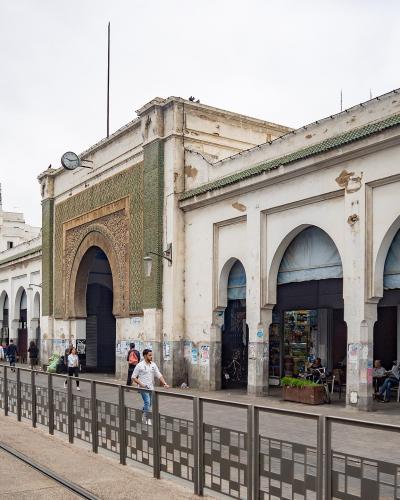
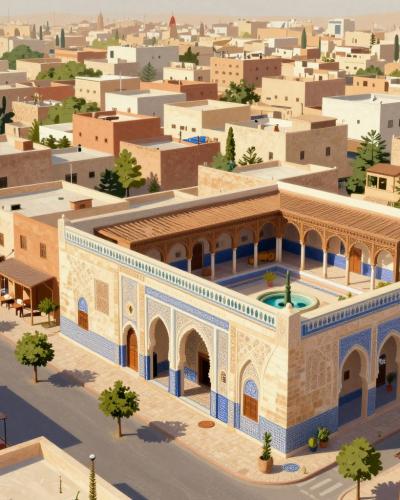
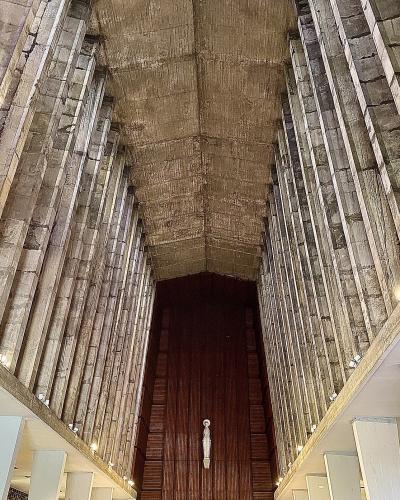
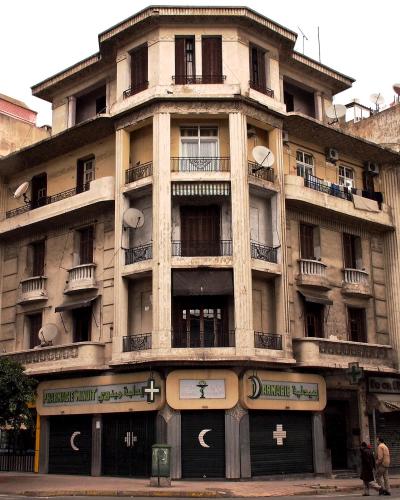
The French colonial period left a legacy, visible in the Art Deco buildings and wide avenues of the Ville Nouvelle. Many apartment blocks, cinemas and civic buildings from the 1920s to the 1950s survive, and an Art Deco architecture walk around Mohammed V Square, the Marché Central and nearby streets is a good way to see them. The Church of Notre-Dame de Lourdes, with its stained glass, is a well-known landmark of the mid-century city. Beside the old centre, the Habous district, also called the New Medina, was built in the early 20th century to combine traditional forms with modern planning, and it holds bookshops, pastry shops such as Maison Bennis and a museum.
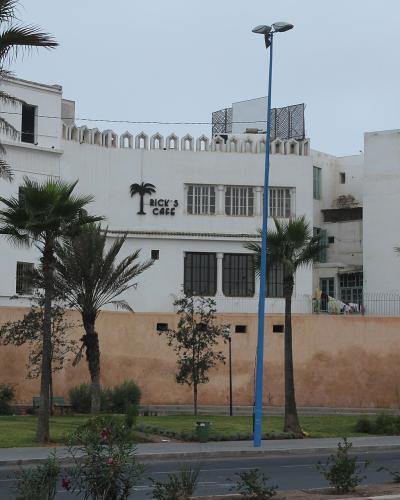
One of the historical events associated with Casablanca is the 1943 Casablanca Conference, where Allied leaders discussed strategy during World War II. The conference took place in the Anfa district, now an upmarket residential neighbourhood. The film 'Casablanca' was shot in a studio in California, yet Rick's Café Casablanca, a restaurant and bar designed to recreate its atmosphere, draws many visitors.
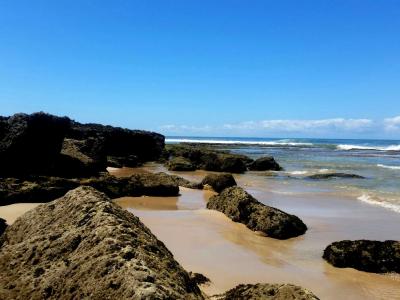
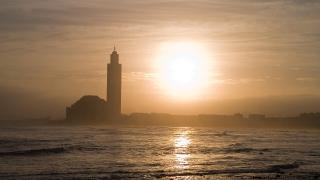
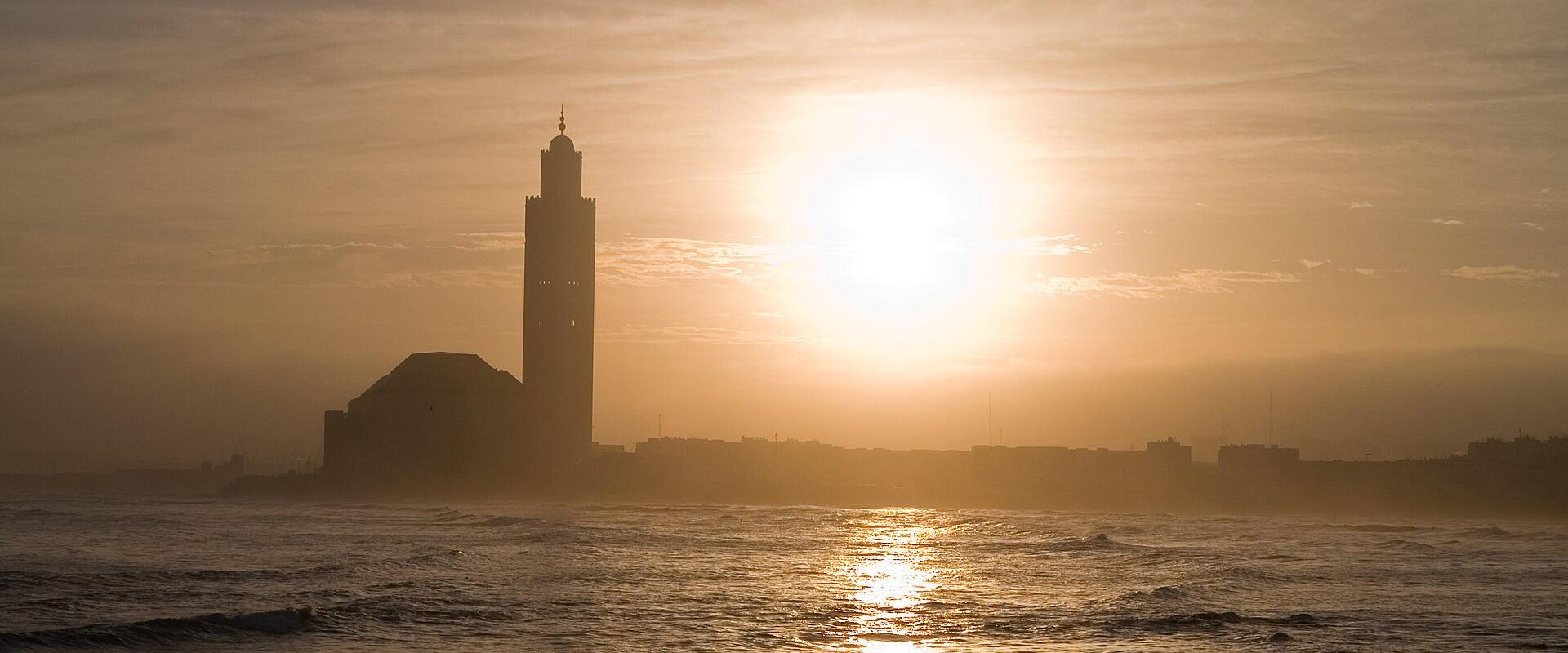
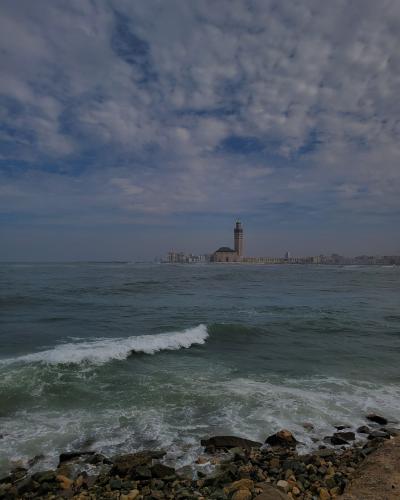
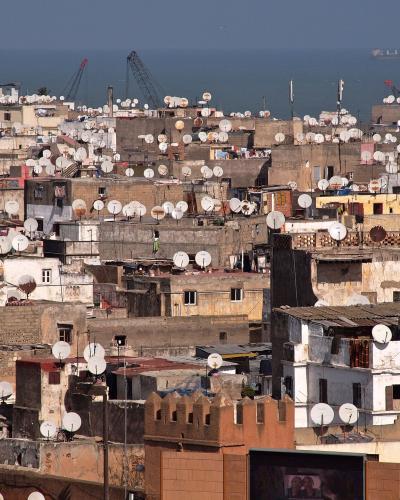
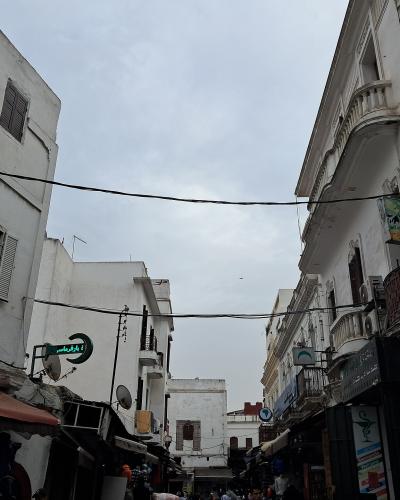
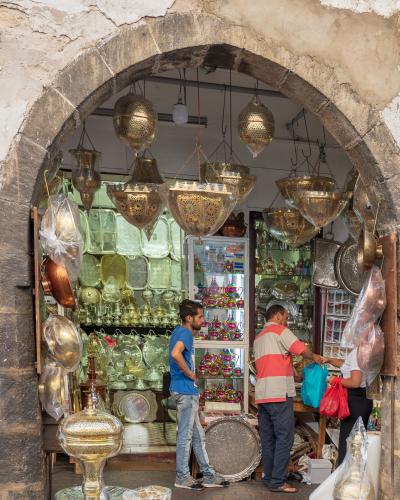
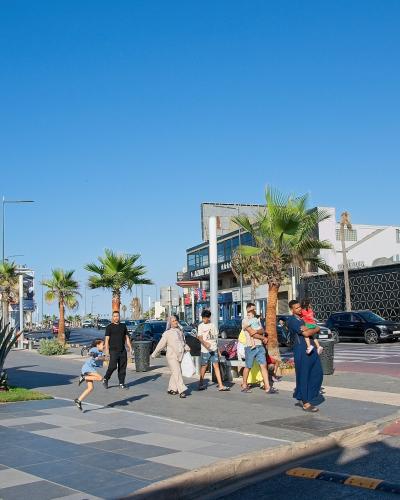
The city is home to the Hassan II Mosque, a masterpiece of modern Islamic architecture. Completed in 1993, it is one of the largest mosques in the world, with a minaret that is the tallest in the world at 210 metres. The mosque stands on a promontory over the Atlantic, with parts of the prayer hall floor made of glass over the sea and a retractable roof, and guided visits are offered to non-Muslim visitors outside prayer times. Other key attractions include the Old Medina, which offers a contrast to the modern city with its narrow streets, traditional souks and historic gates. The Corniche, a seaside promenade in the Aïn Diab district, provides views of the Atlantic Ocean and is a popular spot for evening walks, with cafés, beach clubs and restaurants.
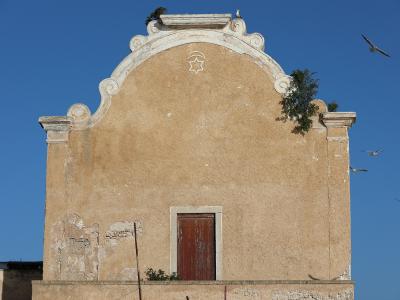
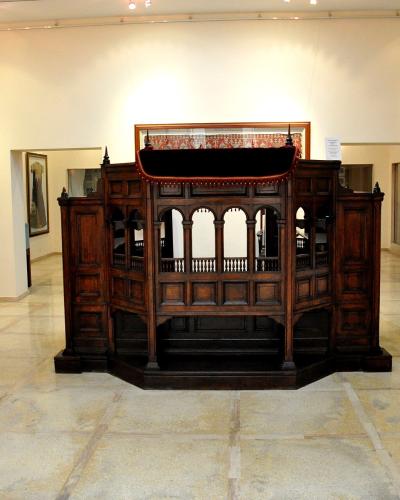
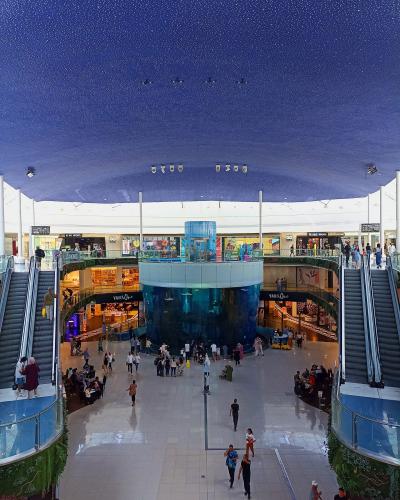
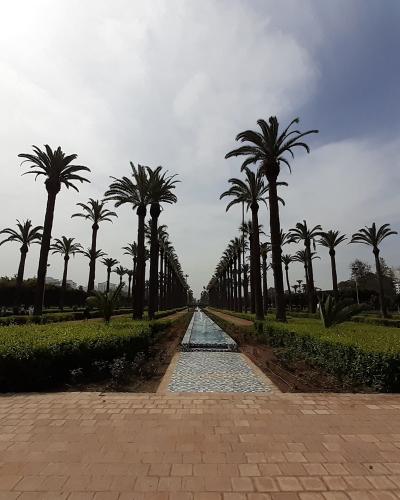
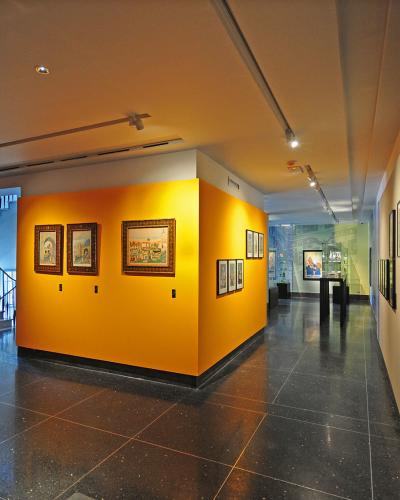
The Museum of Moroccan Judaism, the only museum in the Arab world dedicated to Jewish life, shows the rich history of the Jewish community in Morocco. The Abderrahman Slaoui Museum, housed in an Art Deco villa, displays posters and decorative art, and green spaces such as the Arab League Park and the botanical garden offer shade. Morocco Mall, on the coast, is among the largest shopping complexes in Africa. Some areas, such as the suburb of Sidi Moumen, are residential districts rather than sights.
Activities in Casablanca include exploring the architectural heritage, visiting the markets, and enjoying the diverse culinary scene. The city is known for its fresh seafood and traditional Moroccan dishes, from grilled fish near the port to tagines in small restaurants. Getting to Casablanca is convenient via Mohammed V International Airport, which connects the city to major destinations worldwide. The city is also well connected by rail and road to other parts of Morocco, with a tram network in the city centre. The best time to visit is during the spring (March to May) or autumn (September to November) when the weather is mild and pleasant. Summer can be hot and humid, while winter may bring rain. Accommodation options range from luxury hotels to budget-friendly guesthouses, catering to business visitors and tourists alike. Casablanca's dynamic atmosphere and cultural variety make it a rewarding destination for those interested in Morocco's modern identity.
Best Time to Visit
Visit in spring or autumn for mild temperatures ideal for exploring the city and coastal areas comfortably.
Did you know?
Interesting, verified facts about Casablanca
The Movie Was Filmed in California
Film & TVThe iconic 1942 film Casablanca was not shot in Morocco; instead, it was filmed at Warner Bros. Studios in Burbank, California, with exterior shots taken at Van Nuys Airport.
Source: external sourceChurchill and Roosevelt Met Here
HistoryIn January 1943, the city hosted the Anfa Conference, a pivotal World War II meeting between Prime Minister Winston Churchill and President Franklin D. Roosevelt.
Source: external sourcePlan Your Visit to Casablanca
Essential travel tips and information for your trip to Casablanca.
Suggested Itineraries
One Day in Casablanca
1 dayOne-day Casablanca tour of mosques, medinas, and the Corniche
View ItineraryCasablanca Cultural Heritage
2 days2-day Casablanca heritage trail: mosques, medinas, and Art Deco
View ItineraryExtended Casablanca Experience
3 days3-day Casablanca itinerary covering mosques, medina, and coast
View ItineraryTravel Tips
Currency
MAD • Cards widely accepted
Language
Moroccan • English in tourist areas
WiFi
Free WiFi in cafes and hotels
Explore Casablanca by Interest
Discover attractions and experiences in Casablanca organized by your interests and travel preferences.
All attractions in Casablanca
Sorted by our recommendation score
Quick Facts
Book your stay
Frequently Asked Questions
More destinations in Casablanca-Settat
Explore other amazing places in the Casablanca-Settat region