

Tamegroute
Historic Berber village known for green pottery and ancient library
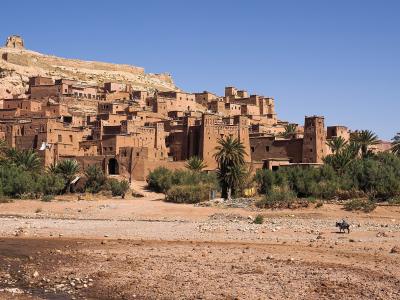
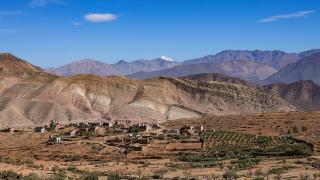
Tamegroute is a village in the Drâa-Tafilalet region of southern Morocco, south of Zagora along the N9 road toward M'Hamid. Its name, rendered in Tamazigh as 'Final Place Before the Desert', reflects its strategic position at the edge of the Sahara. Past the village, the road runs through palms and stony plains, and the sense of leaving the cultivated valley behind is strong. Historically, Tamegroute has been a centre of Islamic learning and Sufi spirituality, closely tied to the Naciri brotherhood, a branch of the Shadhili order, whose zawiya is the village's main institution.
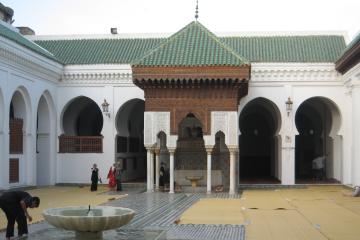
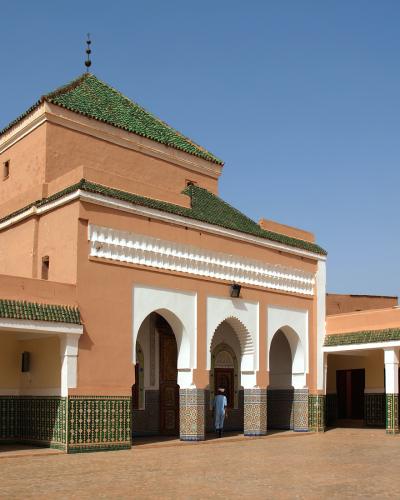
The zawiya, known as the Zawiya Naciria, founded in the 17th century, attracted students, pilgrims and caravan traders from across the Sahara. It has a famous Koranic library that houses valuable manuscripts, including copies of the Koran and works on medicine, astronomy, mathematics, law and other subjects. The library represents the scholarly past of the region, and a caretaker usually shows a selection of old texts to visitors. Many of them are written on parchment, some made from gazelle skin. Visitors should dress modestly and treat the site with respect, as the zawiya remains a living religious institution.
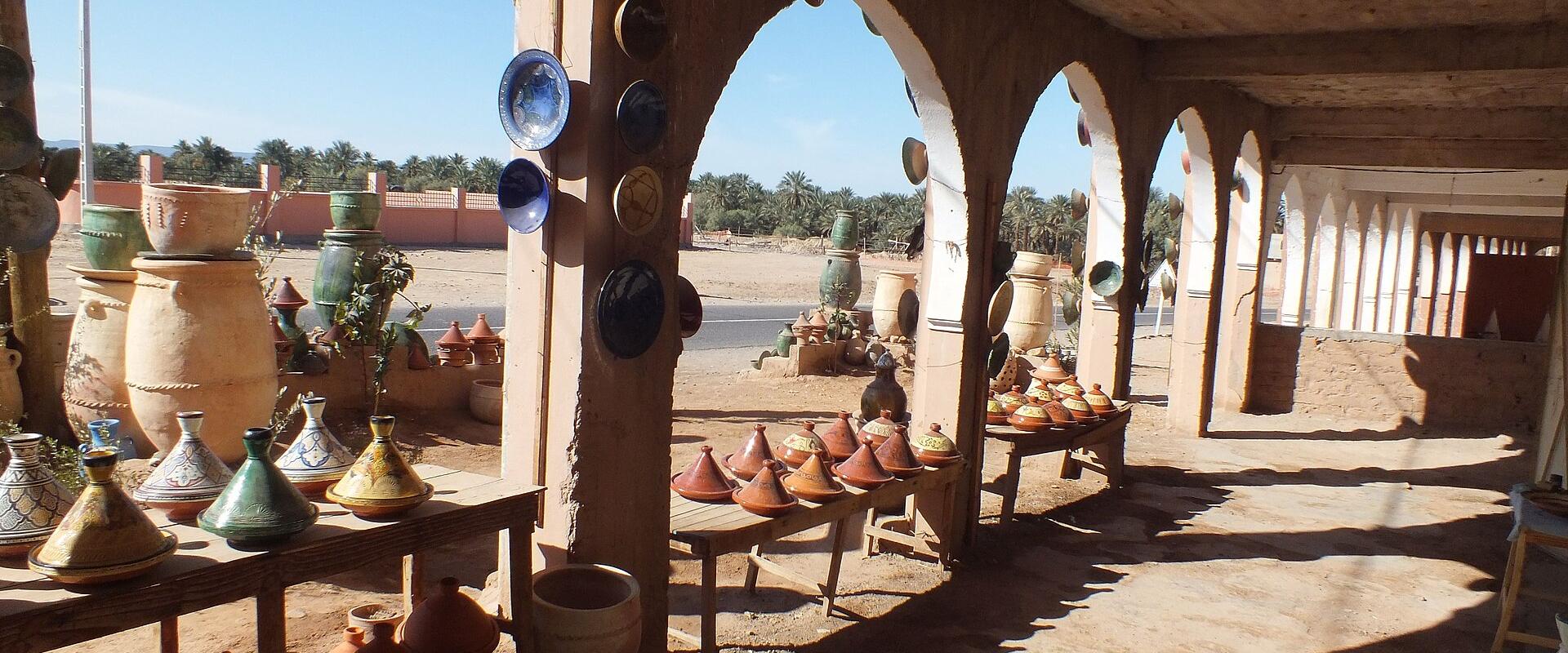
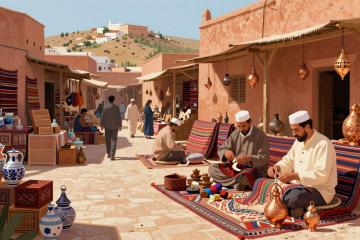
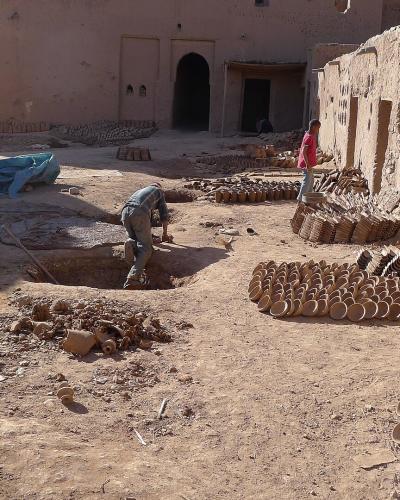
The second great draw is the pottery. Tamegroute is renowned for its green-glazed ceramics, which are produced in workshops in the village using local clay and a distinctive firing technique that has been passed down through generations. The glaze gets its colour from minerals mixed in during the process, and the bowls, plates, cups and tagines have a deep bottle green shade that is easy to recognise. Workshops are open to visitors, and potters are glad to demonstrate how pieces are shaped, glazed and fired in large kilns. Visitors can often try the wheel in a short pottery making workshop, and buy directly from the makers.
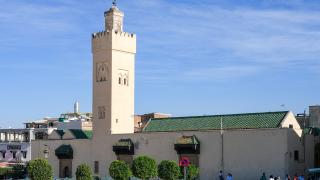
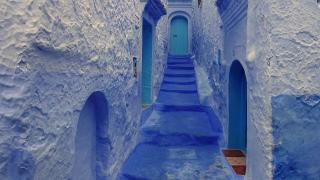
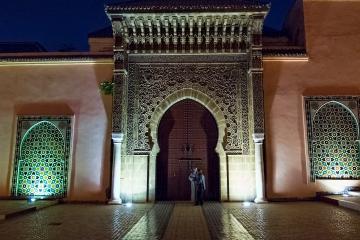
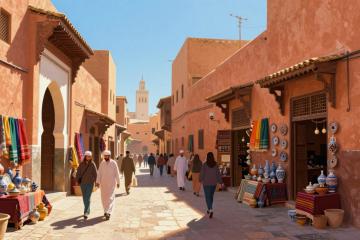
The landscape around Tamegroute is characterised by lush palm groves along the Draa River, in contrast with the arid desert beyond. Walking through the groves, past irrigation channels and small gardens of barley, henna and vegetables, shows how people have used the water of the valley for centuries. The village's narrow streets, its old covered passages and the local mosque give it a distinctive look, and residents are usually willing to talk about Amazigh culture and traditions if approached politely.
Tamegroute can be reached in a day from Zagora or Ouarzazate, and many visitors include it on a longer route toward the dunes of Erg Chigaga. The village also makes a base for exploring the surrounding natural beauty, with nearby hills and traditional kasbahs offering walks and photography. Local guides can arrange tours of the library, pottery quarter and palm groves, and show the less visited corners of the old village.
Getting to Tamegroute is possible by road from Zagora or Ouarzazate, with regular bus services available toward the south. The best time to visit is spring, from March to May, or autumn, from September to November, when the weather is mild and pleasant for outdoor activities. Summer can be extremely hot, while winter nights can be cold. Accommodation options are limited but include guesthouses and riads that offer authentic local experiences, and many visitors choose to sleep in nearby Zagora.
Best Time to Visit
Visit in spring or autumn for mild temperatures ideal for exploring the village and desert landscapes comfortably.
Plan Your Visit to Tamegroute
Essential travel tips and information for your trip to Tamegroute.
Suggested Itineraries
Travel Tips
Currency
MAD • Cards widely accepted
Language
Moroccan • English in tourist areas
WiFi
Free WiFi in cafes and hotels
Explore Tamegroute by Interest
Discover attractions and experiences in Tamegroute organized by your interests and travel preferences.
All attractions in Tamegroute
Sorted by our recommendation score
Quick Facts
Book your stay
Frequently Asked Questions
More destinations in Draa-Tafilalet
Explore other amazing places in the Draa-Tafilalet region