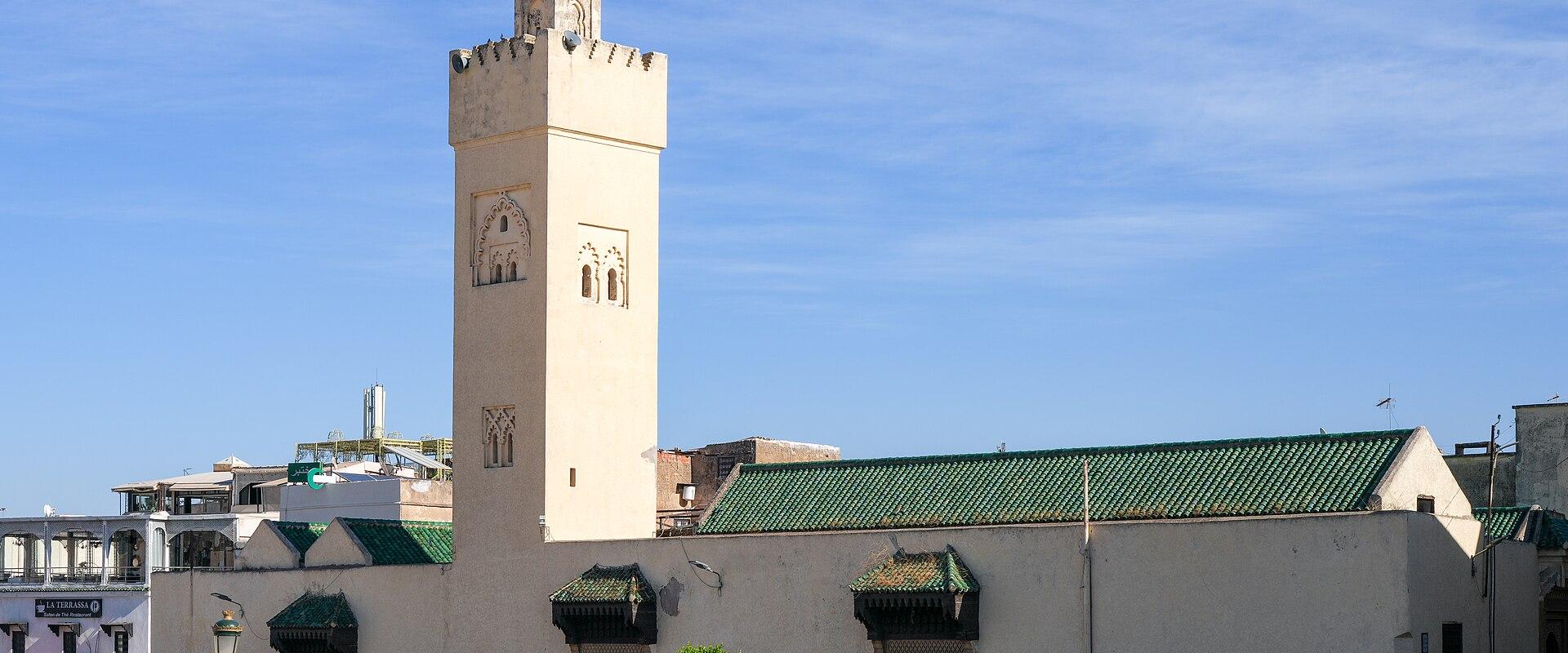
Fez
Historic imperial city with the world's largest car-free urban area
Fez is widely regarded as the cultural and spiritual capital of Morocco, with a history that spans more than a millennium. Founded in the late 8th century by Idris I and expanded in the early 9th century by his son Idris II, the city grew to become a major centre of learning and trade. It is home to the University of al-Qarawiyyin, founded in 859 AD by Fatima al-Fihri, which is recognised by UNESCO and Guinness World Records as the oldest existing, continually operating educational institution in the world. The Marinid dynasty made Fez its capital in the 13th century and founded Fes el-Jdid, the new town, which holds the royal palace and the old Jewish quarter, the mellah.
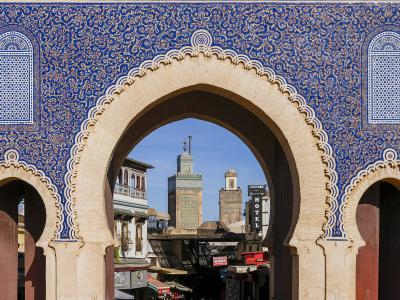
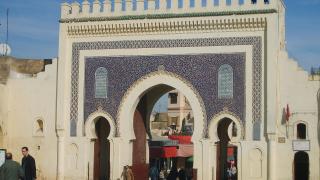
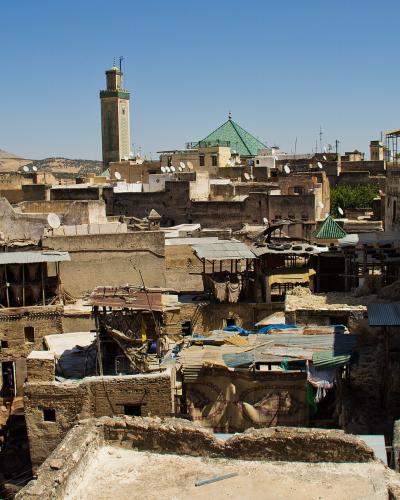
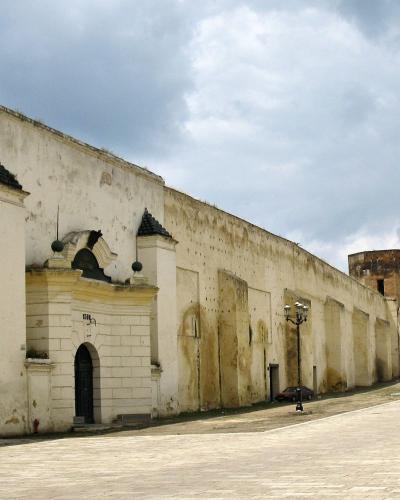
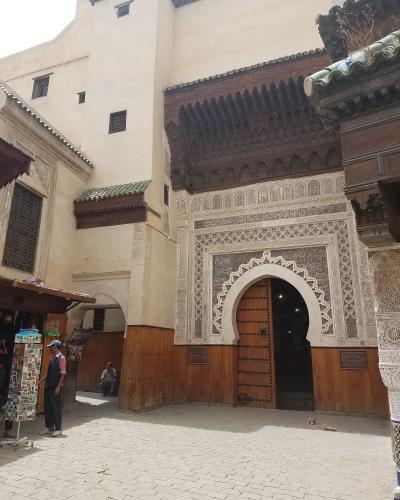
The city's layout reflects its medieval origins, with Fes el-Bali serving as a well-preserved example of a traditional Islamic city. UNESCO inscribed the medina as a World Heritage site in 1981. The medina is divided into two main quarters, each historically associated with immigrants, from Kairouan in Tunisia on one side and from Andalusia, in Spain, on the other, who arrived in waves and left their names on the districts. Walls and gates surround the whole, with Bab Bou Jeloud, the blue-tiled gate, the best known entrance.
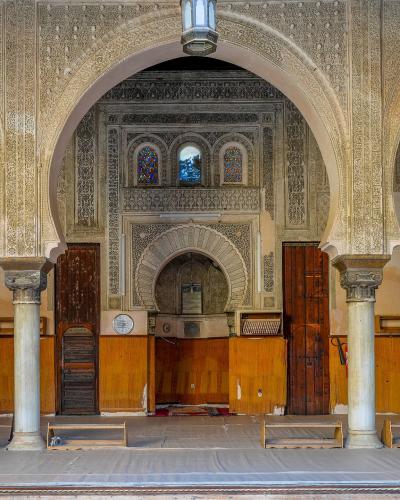
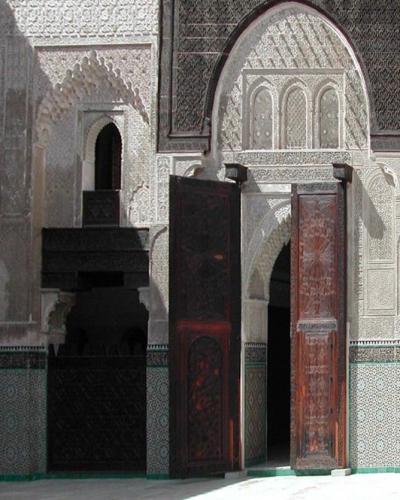
Key attractions include the Bou Inania Madrasa, a 14th-century theological college known for its intricate cedar wood and stucco work, its zellige panels and its courtyard with a pool. Another major highlight is the Chouara Tannery, where visitors can watch the traditional leather-tanning process, with hides soaked in vats of natural dyes and softened with pigeon droppings, from a balcony of the surrounding shops. The smell is strong, and many shopkeepers hand out sprigs of mint. The Fondouk El-Najjarine, a restored 18th-century caravanserai, houses a museum of wooden arts and crafts, with a rooftop that overlooks the medina.
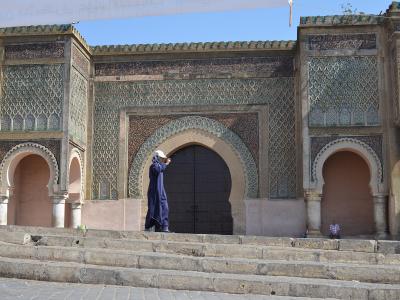
The Royal Palace, Dar al-Makhzen, is a massive structure whose famous brass doors and tiled gateways can be seen from outside, although access to the interior is limited. The city also features numerous mosques and shrines, including the Great Mosque of al-Qarawiyyin, which is a place of prayer for Muslims and is closed to other visitors, although they can glimpse the courtyard through its open doors. Visitors should dress modestly and keep a respectful tone near religious buildings. Bab Maqina, near the royal palace, is an old gate linking the medina to the newer part of the city.
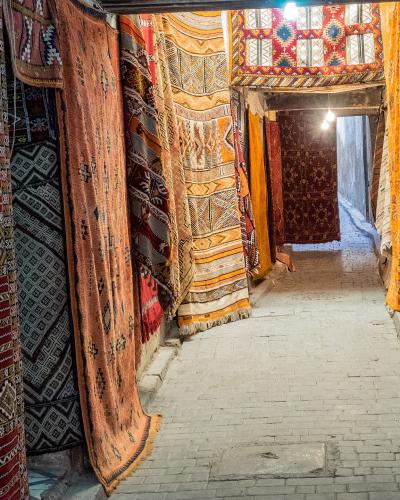
Activities in Fez include guided walking tours through the medina to navigate its complex alleyways, visiting local cooperatives to see traditional crafts like pottery and weaving, and enjoying a traditional Moroccan meal in a riad. Fez cooking is considered among the finest in the country, with pastilla, slow-cooked lamb and rich pastries. Nearby hills offer viewpoints over the plain, including the ruined Marinid tombs, from which the whole medina can be seen at sunset.
The city is well connected by rail and air, with Fes-Saïss Airport serving domestic and international flights, and trains to Casablanca, Rabat and Tangier. The best time to visit is during the spring (March to May) or autumn (September to November) when the weather is mild and pleasant for exploring the outdoor markets and historical sites. Summer can be extremely hot, while winter may bring cold temperatures and rain. Accommodation ranges from luxury riads in the medina to modern hotels in the Ville Nouvelle, offering a variety of experiences for visitors.
Best Time to Visit
Visit in spring or autumn for mild temperatures ideal for exploring the medina and historical sites comfortably.
Did you know?
Interesting, verified facts about Fez
The Crimson Dye of Fez
Name OriginThe name 'fez' for the traditional red hat is derived from the city of Fez, Morocco, where the specific dye used to color the hat was extracted from local crimson berries.
Source: external sourceFez Hat Named After City Dye
Name OriginThe name 'fez' for the distinctive red felt hat may refer to the Moroccan city of Fez, where the dye to color the hat was extracted from crimson berries.
Source: external sourceMedieval University Founded in Fez
HistoryThe University of al-Qarawiyyin in Fez was founded in 859 CE by Fatima al-Fihri, a wealthy merchant's daughter, making it the oldest existing, continually operating educational institution in the world according to UNESCO and the Guinness Book of World Records.
Source: external sourceTwo Autonomous Settlements United
HistoryFez initially consisted of two autonomous and competing settlements on opposing shores of the Oued Fes, which were later united by Idris I and Idris II at the end of the 8th century and the beginning of the 9th century CE.
Source: external sourcePlan Your Visit to Fez
Essential travel tips and information for your trip to Fez.
Suggested Itineraries
Travel Tips
Currency
MAD • Cards widely accepted
Language
Moroccan • English in tourist areas
WiFi
Free WiFi in cafes and hotels
Explore Fez by Interest
Discover attractions and experiences in Fez organized by your interests and travel preferences.
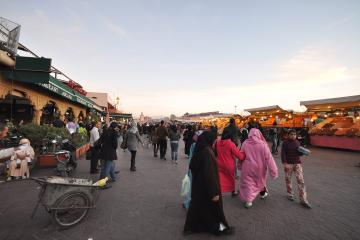
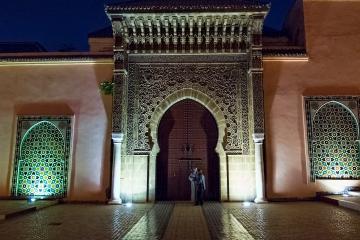
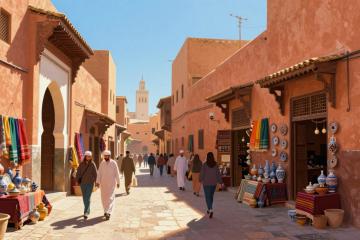
All attractions in Fez
Sorted by our recommendation score
Quick Facts
Book your stay
Frequently Asked Questions
More destinations in Fes-Meknes
Explore other amazing places in the Fes-Meknes region