







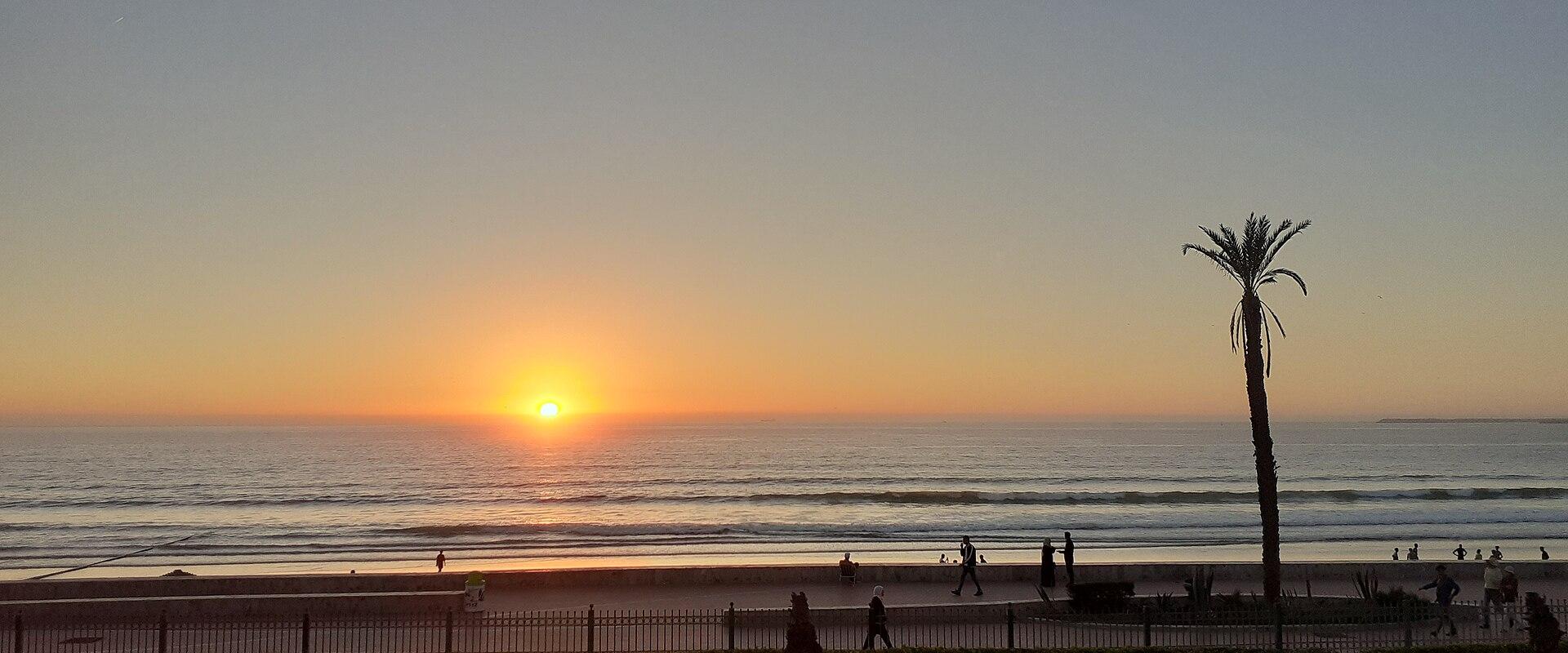
Agadir was already a town of several tens of thousands, with a port and a hilltop kasbah, when the 1960 earthquake struck. The kasbah, Agadir Oufella, was built in 1572 by the Saadian sultan Abdallah al-Ghalib to guard the bay; above its gate is a Dutch and Arabic inscription of 1746 reading "Fear God and honour the King". After the earthquake only the walls were left standing, and the ruins served as a mass grave. They were restored and reopened in 2022, and excavations of the Saadian-era gates continue. On the hillside below, giant Arabic letters spell the national motto, "God, Nation, King".
The easiest way up is the Agadir Oufella cable car, which opened in July 2022 and climbs about 1.7 km from the Tildi area to the kasbah in a few minutes. From the top you see the whole bay, the port and the beach. The Memory of Agadir Museum (Musée Mémoire d'Agadir), at the edge of the Olhão garden in the city centre, tells the story of the town before and after 1960, mostly through photographs.
The beach runs for more than 10 km south from the port, with a promenade along most of it. The Souk El Had, a walled market of about 13 hectares with 13 gates and thousands of stalls, sells everything from spices and argan oil to household goods; it is usually closed on Mondays. The Mohammed V Mosque in the New Talborjt district is the city's main mosque, and the Valley of the Birds is a small park with aviaries in the centre. The port, north of the beach, is one of Morocco's main fishing ports; the stalls at its entrance grill the day's catch.
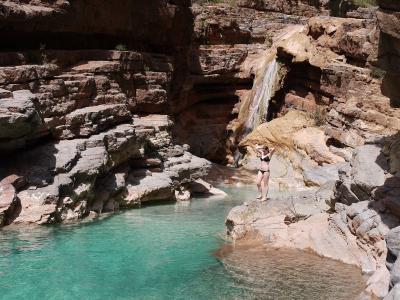
Around the city: Taghazout, about 19 km north, is Morocco's best-known surf village, with surf schools for beginners and reef breaks for experienced surfers; Tamraght is on the way. Inland, the road to Imouzzer Ida Ou Tanane passes Paradise Valley, a palm gorge with natural pools, and Imouzzer's waterfalls, which flow mainly after winter rain. South of the city, the Souss-Massa National Park protects coastal dunes and wetlands where the northern bald ibis, one of the world's rarest birds, still breeds.
Getting there and around: Agadir–Al Massira airport is about 23 km south-east of the city, with flights to many European cities. There is no railway: Supratours and CTM coaches link Agadir with Marrakech in about three to three and a half hours, and the A7 motorway covers the 250 km by car. A high-speed line from Marrakech to Agadir via Essaouira began construction in May 2026, with opening targeted for 2030. In town, the new Amalway bus rapid transit line crosses the city, and petit taxis are orange. The Grand Stade d'Agadir hosted matches at the 2025 Africa Cup of Nations.
Agadir gets only about 230 mm of rain a year. In summer the hot, dry chergui wind from the interior occasionally pushes temperatures far above normal; a record 50.4 °C was measured in August 2023.
Best time to visit
All year for sun: January highs average about 21 °C and August about 27 °C. Most of the little rain falls from November to March; the sea is warmest (about 23 °C) in September and October.
What to see in Agadir
Our picks first.
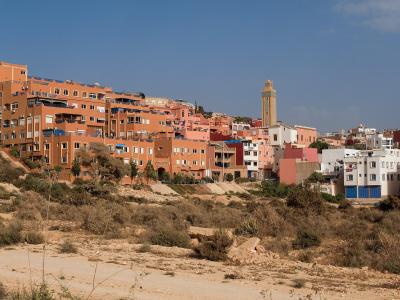
Tamraght Village
Relaxed Atlantic village with authentic culture and surf
Activities & Adventure · Coastal & Maritime
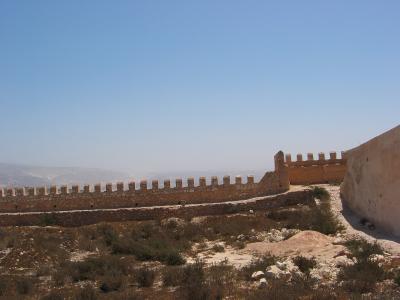
Kasbah of Agadir
16th-century fortress with panoramic city views
History & Heritage · Traditional Culture
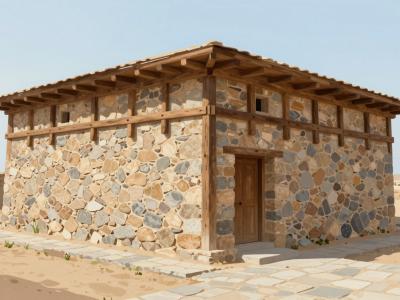
Agadir Museum
Museum dedicated to the 1960 Agadir earthquake
Cultural Experiences · History & Heritage
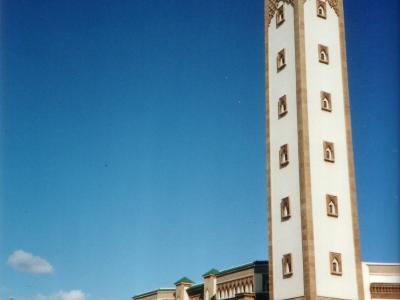
Mosque of Agadir
Largest mosque in Agadir, built in 1960
Architecture · Religious Sites
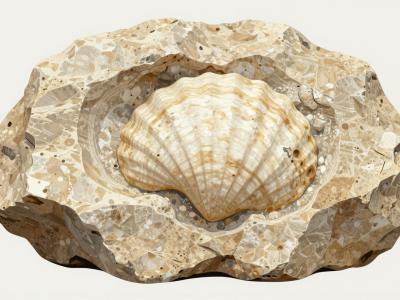
Limestone Canyons
Limestone canyons in Ida-Ou-Tanane, Morocco
Activities & Adventure · Natural Wonders
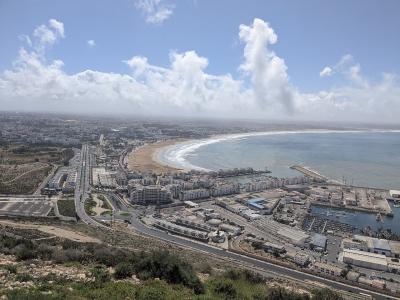
Agadir Beach
10km Atlantic beach with 300 sunny days
Coastal & Maritime · Beaches
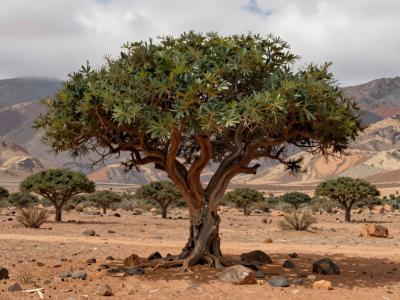
Argan Forests (Ida Ou Tanane)
UNESCO Biosphere Reserve of endemic Argan trees
Activities & Adventure · Cultural Experiences
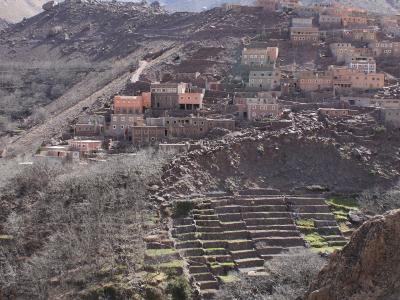
Terraced Villages
Amazigh village with white waterfalls and argan forests
Guided Tours · Mountains
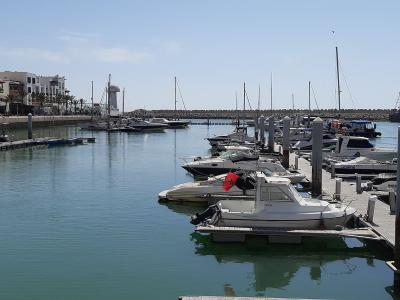
Marina d'Agadir
291-berth marina with 100 shops and sunset views
Free Coastal & Maritime · Urban Exploration
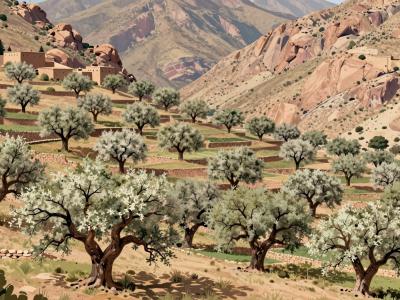
Ancient Almond Groves
Ancient almond groves blooming in February
Activities & Adventure · Cultural Experiences
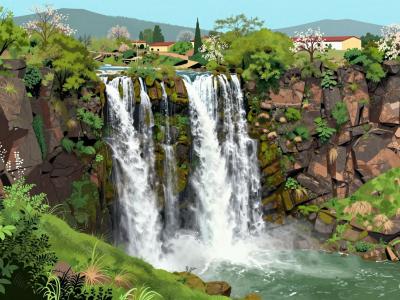
Imouzzer Waterfalls
White waterfalls on a High Atlas limestone plateau
Natural Wonders · Hiking
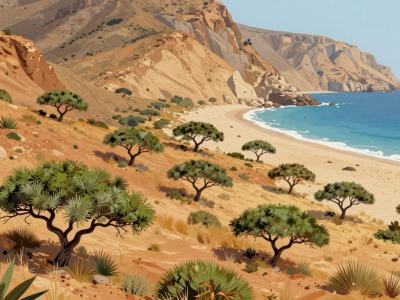
Parc National de l'Agadir
Souss Wildlife Park: Addax, Dorcas Gazelle, and Oryx Cons...
Activities & Adventure · Natural Wonders
Agadir by interest
The same sights, grouped by what you came for.
Planning a visit to Agadir
Itineraries that include Agadir
Good to know
- Currency
- MAD
- Language
- Arabic
Quick Facts
Book your stay
Questions people ask
More places in Souss-Massa
Souss-Massa
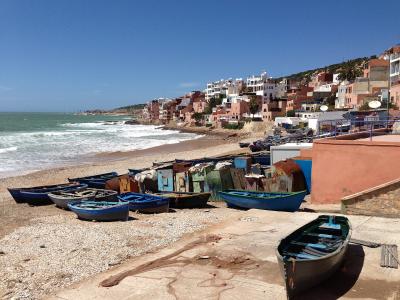
Taghazout
Famous surf village north of Agadir with consistent waves and bohemian vibe
Souss-Massa
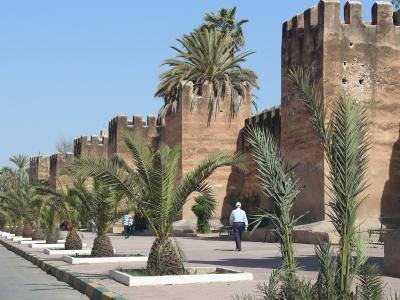
Taroudant
Historic walled city in Morocco's Souss Valley
Souss-Massa
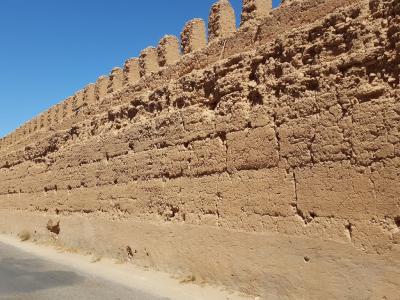
Tiznit
Historic walled town in Souss-Massa known for silver jewelry and desert gateway
Souss-Massa
Ida-Ou-Tanane
Prefecture in Souss-Massa region encompassing Agadir and rural Berber areas