






Cultural Significance and History
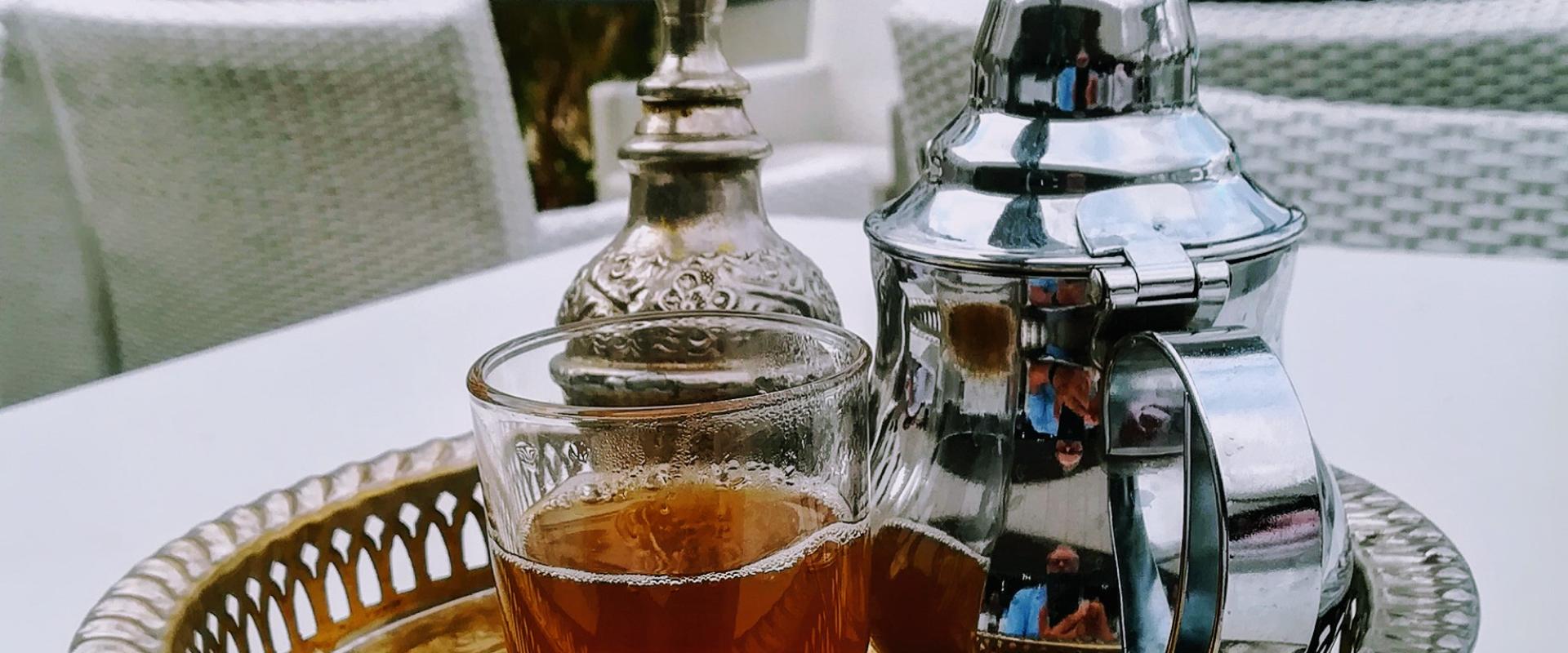
Moroccans call mint tea "Atay." It is also known as "Berber Whiskey." This nickname reflects its central role in daily life. The drink combines Chinese gunpowder green tea with fresh spearmint. Sugar is added generously to balance the bitter green leaves. This specific blend defines the Moroccan identity. The ritual serves as a primary tool for hospitality. Hosts serve tea to guests as a sign of respect. Refusing the offer is considered rude. The pour is performed from a height. This action aerates the liquid and creates a frothy head. The glass used is typically clear and ornate. It allows the drinker to see the color. The ceremony strengthens social bonds in families and communities. It marks the beginning of meetings and the end of meals. The preparation requires patience and skill. The tea is brewed multiple times in the same pot. Each infusion changes the flavor profile slightly. This practice highlights the value placed on shared time. The ritual transcends mere consumption. It is a structured social interaction. Understanding this context is essential for appreciating the beverage. The history of the tea reflects trade routes. Chinese tea arrived via ancient caravan paths. Local ingredients were then integrated into the mix. This fusion created a unique national tradition. The glassware itself is a cultural artifact. Designs vary by region and family. The act of pouring demonstrates generosity. It is a non-verbal communication of welcome. The sweetness of the tea mirrors the warmth of the host. This symbolism is deeply embedded in Moroccan culture. The ritual remains unchanged in its core elements. Modern life has not diminished its importance. It is still the standard offering in homes. Travelers are expected to accept the gesture. The experience is as much about connection as taste. The history is rooted in these social functions. The present practice honors that legacy. The cultural weight is significant. It defines Moroccan social etiquette. The ritual is a daily constant. It provides stability in a changing world. The tea is more than a drink. It is a symbol of peace. It is a symbol of friendship. It is a symbol of home.
Ingredients and Preparation Ritual
Moroccan mint tea requires three specific ingredients. You need gunpowder green tea leaves. Fresh spearmint sprigs provide the herbal note. White sugar sweetens the bitter base. The preparation begins with a crucial rinse. Pour boiling water over the tea leaves. Discard this first water immediately. This step removes dust and excess bitterness. Refill the pot with fresh boiling water. Add the spearmint bunches to the pot. Allow the mixture to steep briefly. The tea brews for only a few minutes. High sugar content balances the strong green tea. The pouring technique defines the Moroccan ritual. Hold the teapot high above the glass. Pour from a significant height, often over a meter. This action aerates the liquid thoroughly. It creates a thick, frothy layer on top. This foam is called the "crown." The crown signifies quality and proper preparation. It indicates the tea is ready to serve. Serve the tea in small, clear glasses. The visual appeal of the foam is essential. The ritual emphasizes hospitality and social connection. Each pour must be smooth and continuous. The height of the pour matters greatly. It ensures the perfect texture and temperature. The final product is a sweet, aromatic beverage.
Etiquette and Serving Customs
Accept the first glass immediately. Refusal is considered rude and disrespectful to the host. The host pours tea from a height to create foam. This action aerates the bitter green tea base. You must wait for the host to serve you. Do not pour your own tea during the ceremony. Hold the glass by the handle or rim. Never grab the bowl’s body, as it may be hot. The tea is served in three distinct glasses. Each glass represents a different stage of life. The first glass is light and mild. It symbolizes life’s gentle beginning. The second glass is stronger and more bitter. It represents the challenges of adulthood. The third glass is very sweet and intense. It signifies the depth of love and death. Do not finish the first glass quickly. Sip slowly to show appreciation. Signal that you want more by shaking the glass slightly. The host will understand this non-verbal cue. Refill the glass only when requested or implied. Never leave the glass empty on the table. This suggests you are unsatisfied with the service. Always thank the host after drinking. Use the phrase "Bslama" to say goodbye to the tea. This acknowledges the end of the serving. Maintain eye contact while receiving the glass. This shows respect and engagement. Do not blow on the hot tea. Let it cool naturally in the glass. This preserves the traditional drinking experience. Follow these rules to honor Moroccan hospitality.
Regional Variations and Settings
Sweetness levels vary significantly across Morocco. Northern regions typically prefer sweeter tea. Southern desert areas often serve less sugar. This adjustment balances the intense heat. Accompanying foods differ by location. Coastal cities serve fresh dates. Inland cities offer traditional pastries like msemen. Tea houses provide distinct architectural cues. Traditional riads feature intricate tile work. Public tea houses display brass trays. These trays hold multiple small glasses. Home hospitality involves a specific ritual. Hosts pour tea from a height. This creates a frothy head. Public tea houses prioritize speed. Service is faster and less ceremonial. You can identify authentic spots by their decor. Look for low wooden tables. Patrons sit on floor cushions. Tea houses in medinas are crowded. They serve as social hubs. Prices remain consistent across regions. A glass costs approximately one dirham. This price includes the service. Always accept the third glass. It is considered the strongest. Refusing it may cause offense. Travelers should observe local customs. Watch how locals hold their glasses. This ensures respectful participation in the ritual.
Practical Tips for Travelers
Carry small denominations of dirhams for tea purchases. Vendors in souks rarely break large bills. Keep coins handy for tipping service staff. A few dirhams suffice for small glasses. Expect slow service in traditional tea houses. Patience is required during busy hours. Do not rush the pouring ritual. Interact politely with vendors in markets. Bargaining is common for loose tea leaves. Ask for samples before buying bulk quantities. Look for fresh spearmint sprigs. Avoid dried herbs for authentic flavor. Gunpowder green tea is the standard base. Purchase from reputable spice merchants. Verify the tea is not dusty. Home brewing requires specific Moroccan mint. Importing fresh herbs may be difficult. Check customs regulations before traveling. Serve tea at a moderate temperature. It is often served warm, not hot. Adjust sugar levels to personal preference. Hosts may offer multiple refills. Accepting three glasses is customary. Refusing after the third may seem impolite. Observe local etiquette closely. Follow the host’s lead during ceremonies. This ensures respectful participation in the tradition.