Route Selection Framework
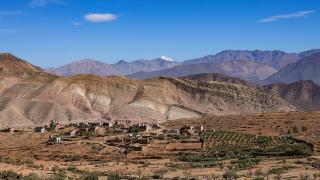
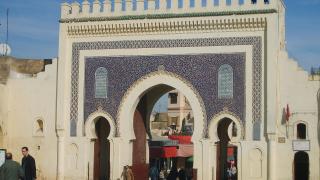
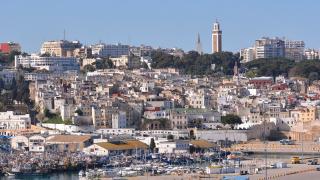
Morocco offers three distinct photographic zones. The North features high urban density. Photographers navigate crowded medinas in Fez and Tangier. Urban light requires fast lenses. The Central Atlas presents high-altitude challenges. Roads climb steeply toward Toubkal. Cold mornings demand warm gear. Snow may block passes. The South involves long desert driving. Sahara routes cover vast distances. Dust protection for sensors is essential. Route duration varies significantly. Northern urban loops take two days. Atlas treks require four days. Southern desert circuits span ten days. Equipment needs shift with terrain. Urban shots need wide angles. Mountain scenes require telephoto lenses. Desert landscapes benefit from polarizers. Logistical planning differs by zone. Urban areas offer easy transport. Remote mountains need 4x4 vehicles. Desert routes require self-sufficiency. Photographers must match gear to the specific geographical zone selected.
Imperial Cities Itinerary
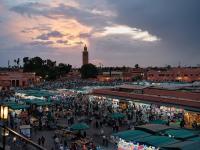
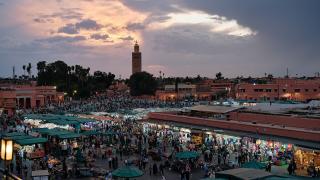
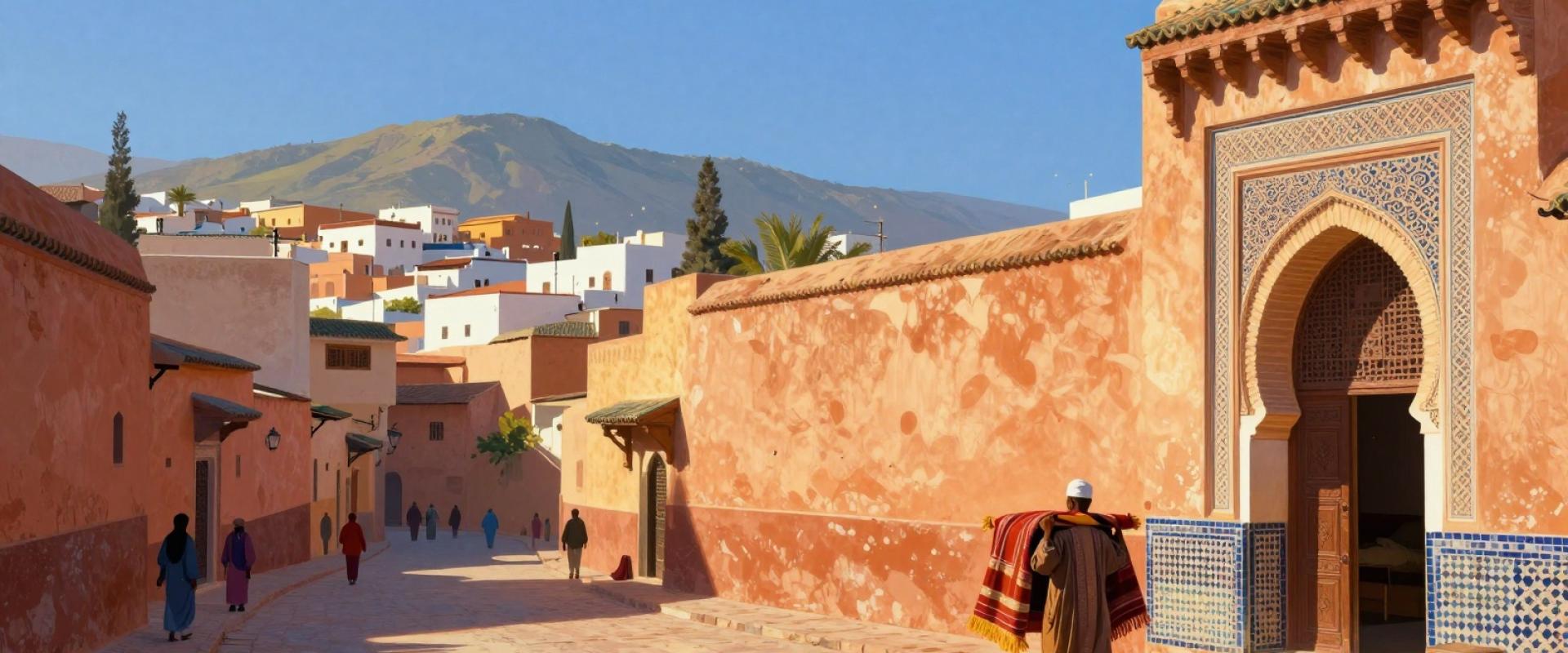
Focus on Fez and Marrakech medinas for dense architectural shots. Use wide-angle lenses for narrow alleyways and high ceilings. Fast prime lenses help in low-light riad interiors. Morning light illuminates Fez’s tanneries effectively. Afternoon shadows define Marrakech’s intricate tilework. Drone flights require prior authorization from civil aviation authorities. Unregistered drones face confiscation at airports. Street photography demands respect for local privacy norms. Ask permission before photographing individuals, especially women. Avoid shooting military or government buildings entirely. Carry cash for small tips to guides. This approach ensures ethical and legal compliance. Prioritize early morning hours for clear skies. Late afternoon offers warm tones for souk scenes. Plan two days per city for thorough coverage. This itinerary balances logistical constraints with photographic opportunities.
Atlas Mountains Logistics
High altitude reduces camera battery life significantly. Keep spares warm inside jackets near body heat. Use 4x4 vehicles for unpaved mountain tracks. Standard cars risk damage on rough terrain. Spring and autumn offer optimal lighting. Avoid winter snow blocking high passes. Local guides navigate narrow, unmarked paths safely. They ensure respectful access to Berber villages. Carry extra memory cards for high volume. Dust protection is essential for lenses. Pack rain gear for sudden mountain storms. Verify road conditions before departure. Local customs require modest dress in villages. Hire drivers familiar with mountain routes. This ensures safety and better access. Focus on golden hour for landscape shots. Blue hour suits village architecture well. Respect private property and sacred sites. Always ask permission before photographing people. Support local economies by buying supplies locally. Plan extra time for delays. Mountain travel is unpredictable. Patience yields the best photographic results.
Sahara Desert Planning
Protect lenses with sealed bags against fine Erg Chebbi sand. Dust destroys sensor elements quickly. Carry extra batteries; cold nights drain power rapidly. Solar chargers work only in direct sun. Plan shoots for October to April. Summer heat exceeds 40°C, risking equipment failure. Avoid Merzouga border zones without prior permits. Military restrictions apply near Algerian borders. Use 4x4 vehicles for dune access. Standard cars cannot traverse soft sand. Night photography requires sturdy tripods. Wind stability is critical for long exposures. Pack lens cloths for frequent cleaning. Sand accumulates on glass surfaces instantly. Focus on Erg Chebbi dunes for classic shots. Merzouga offers accessible high dunes. Fint Camp provides basic amenities. Book guides for safe navigation. Remote areas lack cell service. Inform locals of your itinerary. Respect Berber community guidelines. Photography in villages requires permission. Always ask before shooting people. Carry sufficient water for gear cooling. Hydration prevents heatstroke during setup.
Safety and Permit Protocols
Moroccan law requires official permits for drone operations. Unauthorized flights risk confiscation and heavy fines. Avoid photographing military installations, government buildings, and border zones. These areas are strictly prohibited for all cameras. Always ask permission before shooting local people. Many residents expect a small tip for portraits. Refusing to pay may cause conflict. Carry your passport and hotel details at all times. Police may request identification during checks. Ensure your travel insurance covers equipment theft. Standard policies often exclude high-risk activities. Register valuable gear with local authorities if possible. Keep copies of permits separate from originals. Respect religious sites by removing shoes and covering shoulders. Photography inside mosques is generally forbidden for non-Muslims. Stay aware of your surroundings in crowded medinas. Pickpockets target distracted photographers. Use a cross-body bag for security. Report any incidents to local police immediately.