





Communal Dining Etiquette
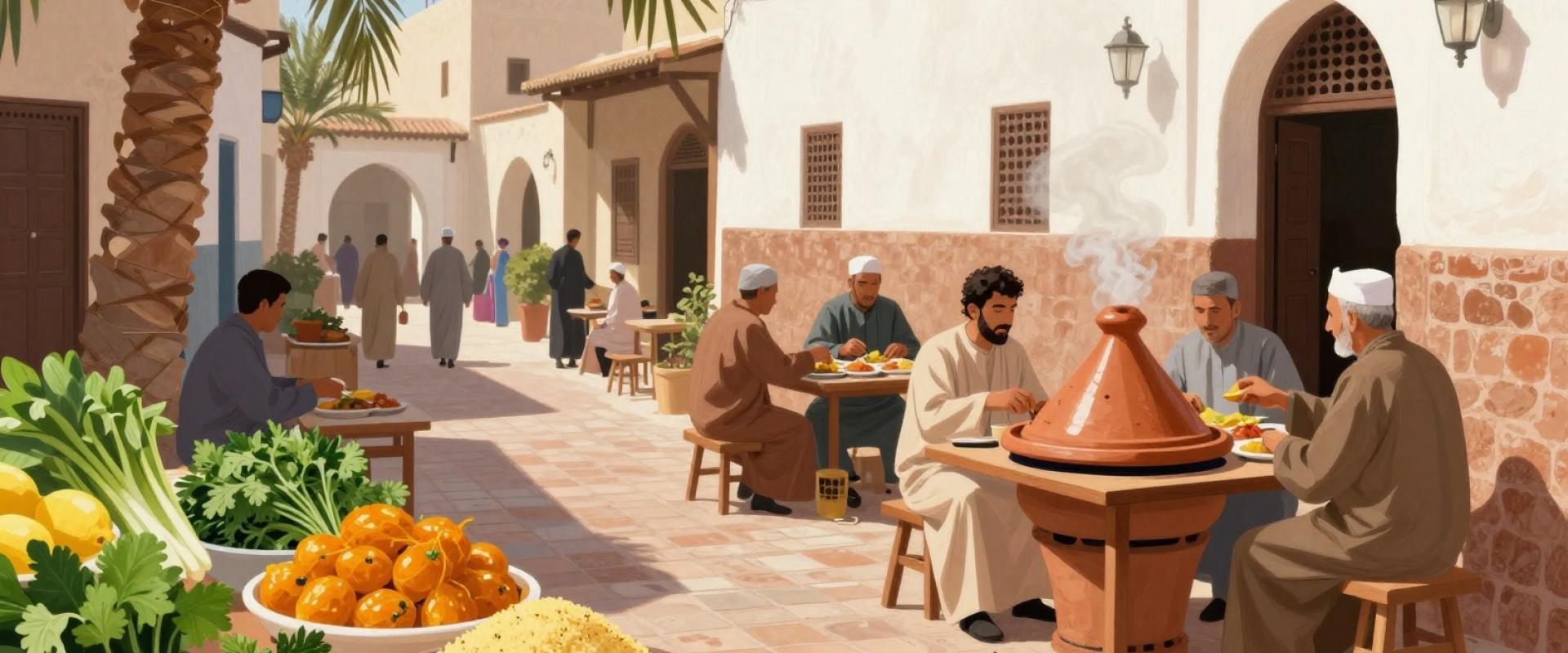
Moroccan dining relies on strict communal rules. You must use only your right hand to eat. The left hand is considered unclean in local tradition. Always eat from the section of the platter directly in front of you. Do not reach across the communal dish for distant pieces. This practice shows respect for fellow diners at the table. Licking your fingers after eating signals genuine appreciation for the meal. It indicates the food was flavorful and satisfying. However, do not lick fingers excessively or loudly. Leave a small amount of food on your plate. This gesture politely signals that you are fully satisfied. Eating everything might imply the host did not provide enough. The communal platter, often couscous or tagine, sits in the center. Everyone shares from this single vessel. This method fosters social bonding and equality among guests. Follow these norms to show cultural respect. Adhering to these specific Moroccan customs enhances the dining experience significantly.
Moroccan street food offers authentic flavors but requires careful selection. Prioritize vendors with high customer turnover. Fresh ingredients rotate quickly in busy stalls. This reduces the risk of spoilage. Avoid raw salads and unpeeled fruits entirely. Water quality varies significantly across regions. Drink only sealed bottled water. Look for reputable brands with intact seals. Eat where locals eat to ensure freshness. Popular spots in medinas attract consistent crowds. High volume indicates reliable supply chains. Observe hygiene practices before purchasing. Clean cooking surfaces are essential indicators. Avoid food left exposed to dust. Heat kills bacteria effectively. Ensure dishes are served piping hot. Cold dishes pose higher health risks. Mint tea is generally safe. It is brewed with boiling water. Stick to cooked items like msemen. These flatbreads are fried fresh daily. Avoid raw meat preparations on the street. Cooked tagines are safer options. Verify vendor cleanliness visually. Trust your instincts regarding food quality. Local advice often points to safe vendors. Ask hotel staff for recommendations. They know which stalls maintain standards. This approach minimizes health risks significantly.
Signature Dishes and Ingredients
Tagine refers to both the conical clay pot and the slow-cooked stew inside. This essential dish simmers meat, vegetables, and spices for hours. It remains a staple across Moroccan households and restaurants. Couscous consists of steamed semolina grains, typically served on Fridays. This weekly tradition marks the end of the work week. Families gather to share this hearty, communal meal. Pastilla presents a unique savory-sweet profile within a flaky pastry. It traditionally combines pigeon or chicken with almonds and cinnamon. Khobz serves as the essential round, white bread. Locals use it to scoop up tagine and dips. This bread accompanies nearly every meal in Morocco. Mint tea, or Atay, concludes dining with fresh green tea. Sugar and mint leaves steep in silver teapots. These elements define the core of Moroccan culinary identity. Travelers should seek these specific items for authenticity. They represent the daily rhythm of food culture. Understanding these staples aids in navigating local menus effectively.
Mint Tea and Hospitality Customs
Mint tea, known as atay, is the national beverage of Morocco. It symbolizes hospitality and friendship in local culture. You will encounter this drink in homes, shops, and restaurants. The preparation involves strong green tea, fresh mint, and sugar. Hosts pour the tea from a height into small glasses. This technique creates a frothy head, which is considered desirable. The foam indicates proper preparation and respect for the guest. Accepting the first glass is mandatory. Refusing it is seen as rude or disrespectful. You should drink at least three glasses during a visit. The third glass is often called the "life glass." To decline further refills, shake the glass slightly from side to side. This subtle gesture signals you are finished. Refusing the shake implies you want more tea. The ritual takes time and encourages conversation. It is not merely about hydration but social connection. Always accept the tea when offered by locals. It establishes a positive relationship and shows cultural awareness. The sugar content is high, so be prepared for sweetness. This custom remains central to Moroccan daily life and social etiquette.
Communicating Dietary Needs
Moroccan cuisine heavily features meat, requiring clear communication for vegetarians. Use the French phrase 'sans viande' to request dishes without meat. This term is widely understood in urban restaurants and riads. Always confirm that no pork products or alcohol are used. Traditional tagines often contain lamb or chicken, rarely vegetables alone. For gluten-free diets, rice dishes offer a safer alternative. Couscous contains wheat and should be avoided by those with celiac disease. Verify that sauces do not contain hidden gluten thickeners. Learn the phrase 'Je suis allergique à...' for specific allergies. This French phrase translates to 'I am allergic to...' and is essential for severe reactions. Staff may not recognize ingredient names in Darija. Point to the specific allergen to ensure clarity. Mint tea is generally safe but confirm no added honey if diabetic. Street food vendors rarely list ingredients. Stick to cooked items where you can observe preparation. Ask for water instead of tap water to avoid stomach issues. Always carry a card listing your restrictions in Arabic and French. This prevents dangerous misunderstandings during ordering. Prioritize established restaurants over unknown street stalls for complex dietary needs.
Tipping and Payment Norms
Tipping is customary in Moroccan restaurants. Aim for a ten percent tip if service charges are absent. Always verify your bill for included fees. Carry Moroccan dirhams for small transactions. Small bills are essential for tipping staff. Vendors appreciate exact change for street food. Bargaining is standard in souks and markets. Negotiate prices politely before accepting any offer. Do not bargain in fixed-price restaurants. These establishments display set costs clearly. Cash remains the primary payment method. Credit cards are accepted in upscale venues. Smaller eateries often require cash only. Keep small denominations for tips and snacks. This practice supports local service workers directly. Respect local financial customs during your visit. Understanding these norms enhances your dining experience. It ensures smooth interactions with vendors. Always have dirhams ready for convenience. This preparation avoids awkward payment situations. Tipping reflects appreciation for good service. It is a key part of Moroccan hospitality culture.