
Understanding Amazigh Identity
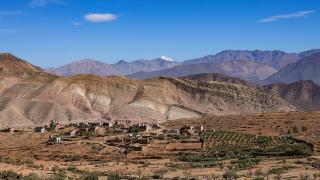
The term Amazigh means "free person." Berber is an exonym used historically by outsiders. In Morocco, this identity represents a living civilization. It spans over 9,000 years of continuous presence. The population speaks distinct Tamazight dialects. Major groups include Shilha in the Atlas Mountains. Riffian speakers inhabit the northern Rif region. Central Tamazight communities reside in the High Atlas. These groups maintain unique linguistic traditions today. Heritage is not merely a historical artifact. It exists in active daily practice. Tifinagh script remains a vital cultural symbol. Communal values define social structures deeply. Connection to ancestral land remains central. Land stewardship dictates agricultural and social rhythms. Festivals celebrate seasonal changes and harvests. Traditional clothing signals specific regional origins. Symbolic tattoos mark life stages and identity. Kasbahs stand as architectural testaments to history. Music and crafts preserve ancestral knowledge. This heritage adapts while retaining core integrity. It reflects resilience and cultural continuity. Understanding these elements clarifies modern Moroccan identity. The Amazigh contribution is foundational and enduring.
Deciphering Visual Symbols
The Tifinagh script appears on Moroccan signs and artifacts. This ancient alphabet represents Tamazight language identity. You will see it in Atlas Mountain villages and urban centers. Modern usage confirms its status as a national symbol. Traditional rug weaving uses geometric patterns for protection. These designs vary by specific Moroccan region and tribe. Jewelry features silver amulets with distinct protective meanings. The eye motif wards off negative energy in Moroccan homes. Geometry dominates Amazigh aesthetic expression across the country. Patterns reflect mathematical precision and cultural heritage. Artisans in Marrakech and Fez create these items. You can purchase authentic pieces in local souks. Prices range from fifty to five hundred dirhams. Engaging with weavers reveals specific symbol meanings. Ask about the diamond shape or zigzag lines. These questions show respect for Amazigh traditions. Learning these codes enhances your travel experience. Visual cues provide insight into daily life. Symbols communicate history without words. This knowledge connects you to 9,000 years of civilization. Recognizing these elements deepens your understanding of Morocco. Always verify authenticity when buying crafts. Support local cooperatives directly. This ensures fair compensation for skilled labor. Visual literacy enriches your appreciation of Amazigh culture.
Amazigh social structure relies on communal bonds and strict hospitality codes. You must accept offered mint tea as a sign of respect. Refusing hospitality is considered rude in rural Atlas villages. Always greet elders first using the local Tamazight greeting. Photography requires explicit permission from village heads or homeowners. Do not photograph individuals without consent, especially women. Modest dress is mandatory in conservative mountain communities. Cover shoulders and knees to avoid offending locals. Remote villages often lack paved roads or public transport. You will need a four-wheel-drive vehicle for access. Travel times are longer due to difficult terrain. Carry cash, as ATMs are nonexistent in high Atlas areas. Bring water and snacks for long transit periods. Support local cooperatives by buying authentic rugs directly. This sustains the traditional weaving heritage of the region. Respect sacred sites and ancient kasbahs without touching artifacts. Ask before entering private homes or religious spaces. Silence is valued during communal meals and discussions. Listen more than you speak to show respect. Learn basic Tifinagh script symbols to engage meaningfully. This demonstrates genuine interest in Amazigh identity. Avoid loud noises or disruptive behavior in quiet villages. Follow local customs regarding gender interactions strictly. Ask before taking photos of children or religious sites. Respect the privacy of families in their homes. Bring small gifts like sweets for hosts. This gesture is appreciated in Amazigh culture. Plan visits during daylight for safety and access. Roads close during heavy snow in winter months. Check local conditions before traveling to remote areas.
Experiencing Living Traditions
Amazigh heritage in Morocco thrives through active cultural practices. Travelers encounter these traditions primarily in the Atlas Mountains. The Ahwash dance remains a central communal performance. Groups perform synchronized steps to rhythmic drumming. This music reinforces social bonds during festivals. Transhumance defines pastoral life in rural regions. Herders move livestock seasonally between valleys and peaks. This ancient practice sustains local economies today. Traditional crafts hold deep cultural significance. Women weave intricate rugs using natural dyes. These textiles display distinct regional geometric patterns. Artisans sell goods in village souks. Visitors can observe weaving techniques directly. Ethical engagement requires respectful participation. Ask permission before photographing cultural performances. Pay fair prices for handmade crafts. Avoid treating rituals as mere entertainment. Support local cooperatives that preserve these skills. Workshops offer hands-on learning experiences. You learn pottery or cooking methods directly. This approach ensures cultural preservation. It benefits the community economically. Respect local customs during visits. Accept hospitality when offered tea. These actions show genuine interest. They foster mutual understanding. Living traditions require active support. Your presence helps sustain them. Focus on authentic interactions. Avoid staged tourist performances. Seek out genuine community events. This ensures a meaningful experience. You witness real cultural expressions. This connects you to history. It honors the Amazigh identity. This approach respects their heritage. It promotes sustainable tourism practices. You become a respectful observer. This supports long-term cultural survival.
Practical Engagement Guidelines
Learn basic Tamazight greetings to show respect. Use "Azul" for hello in rural Atlas villages. This simple effort builds immediate trust with locals. Respect Islamic observances during Ramadan. Avoid eating or drinking in public during daylight hours. This applies strictly to all travelers in Morocco. Support ethical commerce by visiting local cooperatives. Purchase rugs and crafts directly from women’s groups. This ensures fair wages for Amazigh artisans. Avoid buying mass-produced souvenirs in tourist hubs. Prepare thoroughly for remote mountain travel. Carry sufficient Moroccan dirhams for cash-only areas. ATMs are scarce in high Atlas regions. Bring extra water and non-perishable food supplies. Roads in remote valleys may be unpaved. Check weather conditions before hiking in the High Atlas. Seasonal changes affect accessibility significantly. Always carry a physical map as signal is unreliable. Engage with communities through their cultural festivals. The Imilchil marriage festival offers authentic interaction. Verify dates annually as they vary by lunar calendar. Prioritize slow travel to minimize environmental impact. Respect private property when photographing homes. Ask permission before taking portraits of individuals. This practice honors Amazigh privacy norms. Stay in locally owned guesthouses. This supports the regional economy directly. Avoid large international hotel chains in villages. Choose accommodations that employ local staff. This creates sustainable economic benefits for the community. Be mindful of dress codes in conservative areas. Cover shoulders and knees in rural settings. This shows respect for traditional values. Listen actively to elders during conversations. Amazigh culture values oral history and wisdom. Patience is essential when navigating bureaucratic processes. Allow extra time for administrative tasks. Flexibility ensures a smoother travel experience overall.