



Network Overview
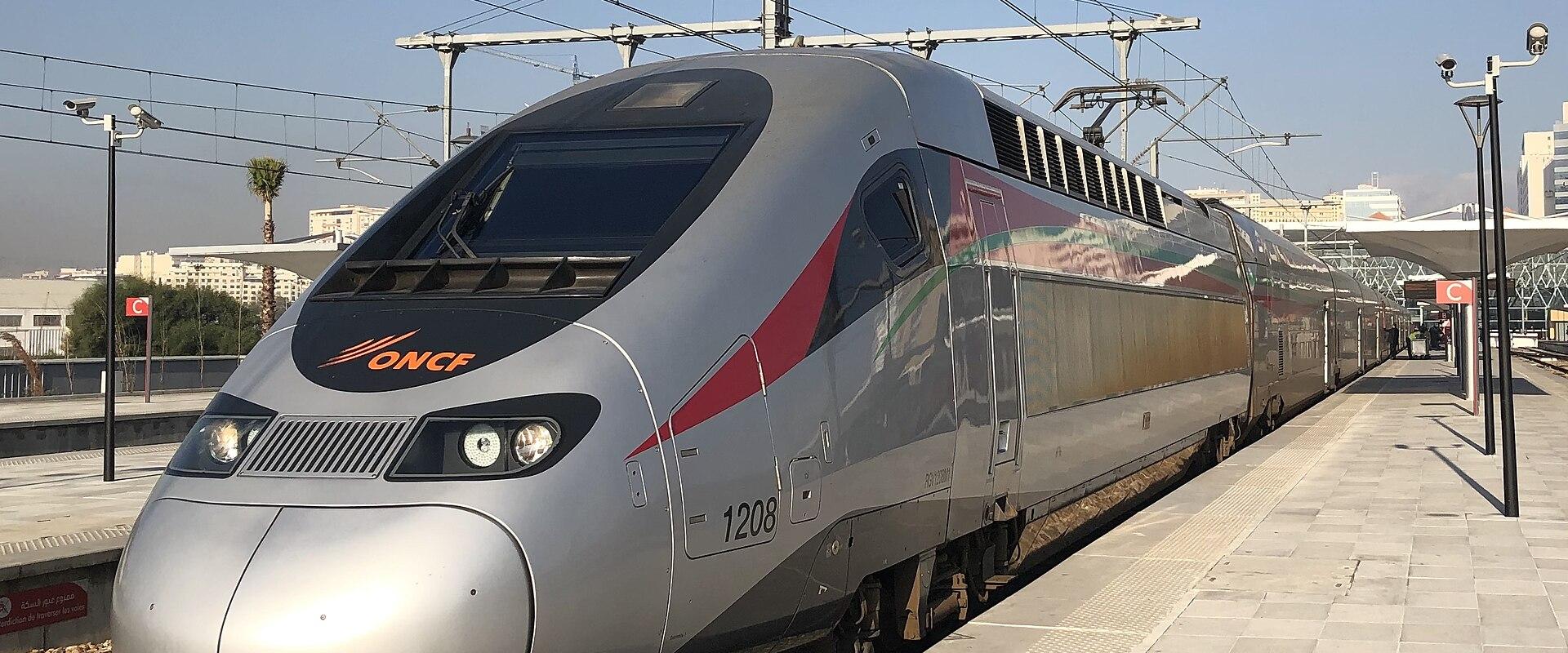
The Office National des Chemins de Fer (ONCF) operates Morocco’s national rail network. This state-owned entity manages all passenger and freight services across the kingdom. The network features two distinct service tiers: high-speed Al Boraq and conventional trains. Al Boraq runs on the modern Tangier-Casablanca line. It travels at speeds up to 320 km/h. This route significantly reduces travel time between these major cities. Conventional ONCF trains serve the interior routes. These lines connect cities like Fes, Rabat, and Marrakech. They offer broader geographic coverage than the high-speed line. The network operates under centralized management. This system ensures unified ticketing for all train types. Passengers can book Al Boraq and conventional services through one platform. This integration simplifies travel planning for domestic journeys. The network supports both daily commuters and long-distance travelers. It connects key economic hubs with regional centers. Understanding this distinction helps travelers choose the right service. Al Boraq offers speed for coastal routes. Conventional trains provide access to inland destinations. Both services maintain reliable schedules throughout the year.
Al Boraq Service Details
Al Boraq is Morocco’s high-speed train, operated by ONCF. It connects Tangier, Kenitra, and Casablanca. The journey covers 320 kilometers at speeds up to 320 km/h. Travel time between Tangier and Casablanca is approximately two hours. Passengers choose between First Class and Second Class accommodations. First Class offers wider seats and a quieter environment. Second Class provides standard seating with ample legroom. Both classes include complimentary Wi-Fi access for passengers. Power outlets are available at every seat for device charging. The service runs frequently throughout the day. ONCF maintains high punctuality standards for this route. Tickets are bookable online or at major stations. Prices vary by class and booking time. The train stops only at major urban hubs. This efficient link supports business and leisure travel. It reduces road congestion between key cities. The modern fleet ensures a comfortable ride. Passengers can store luggage in designated overhead racks. Staff assistance is available upon request. The service represents a modern transport option in Morocco.
Ticketing & Booking
Purchase tickets via the official ONCF website or mobile app. This method ensures valid e-tickets and secure payment. You can also buy tickets at station counters or automated kiosks. Prices vary by class and route. Al Boraq fares are higher than conventional ONCF trains. Advance booking is recommended for peak seasons. Last-minute purchases often result in shortages. The app supports multiple payment methods. E-tickets are valid upon presentation at the station. Check schedules regularly for updates. Al Boraq connects Tangier, Kenitra, and Casablanca. Conventional trains serve Marrakech, Fes, and Rabat. Always verify your departure time. Luggage rules apply to all classes. Discounts may be available for students. Senior citizens often receive reduced fares. Book early to secure preferred seats. The network expands for the 2030 World Cup. Current routes cover major urban centers. Prices are listed in Moroccan Dirhams. Online booking saves time at the station.
Major hubs include Casablanca Voyageurs, Rabat Ville, and Tangier Ville. Arrive 30 minutes early for Al Boraq services. Security checks involve bag scans and ID verification. Locate the Billetterie for ticket counters or use automated kiosks. Follow signs marked Sortie to exit the station concourse. Platform numbers appear on digital displays above the tracks. Verify your train number and departure time before boarding. Al Boraq platforms are clearly marked for high-speed services. Conventional ONCF trains use separate, older platforms. Upon arrival, follow signs to the taxi rank. Petit taxis are available for short local trips. Grand taxis serve longer intercity distances. Bus connections for CTM and Supratours are often nearby. Station layouts vary by city size. Casablanca’s hub is complex; allow extra time. Rabat and Tangier stations are more compact. Keep your ticket visible until you board. Staff speak French and Arabic. English support is limited at smaller stations.
Practical Travel Tips
Carry only small bags for Al Boraq. Large luggage requires specific storage areas. ONCF conventional trains offer more space. Dress modestly to respect local cultural norms. Avoid revealing clothing in conservative regions. Select window seats on the Tangier-Casablanca route. These views showcase the Atlantic coastline clearly. First-class cabins provide quieter environments. Second-class cars are more crowded but affordable. Always carry a valid passport or ID card. Staff may request identification during random checks. Onboard catering is limited on high-speed services. Purchase snacks at station kiosks before boarding. Bring water for the three-hour journey. Al Boraq connects Tangier, Kenitra, and Casablanca. Conventional lines reach Fes and Marrakech. Check schedules for weekend frequency changes. Book tickets early for holiday periods. Prices range from 100 to 400 MAD. Use the official ONCF app for updates. Avoid last-minute purchases at busy stations.