
Modesty Standards & Attire
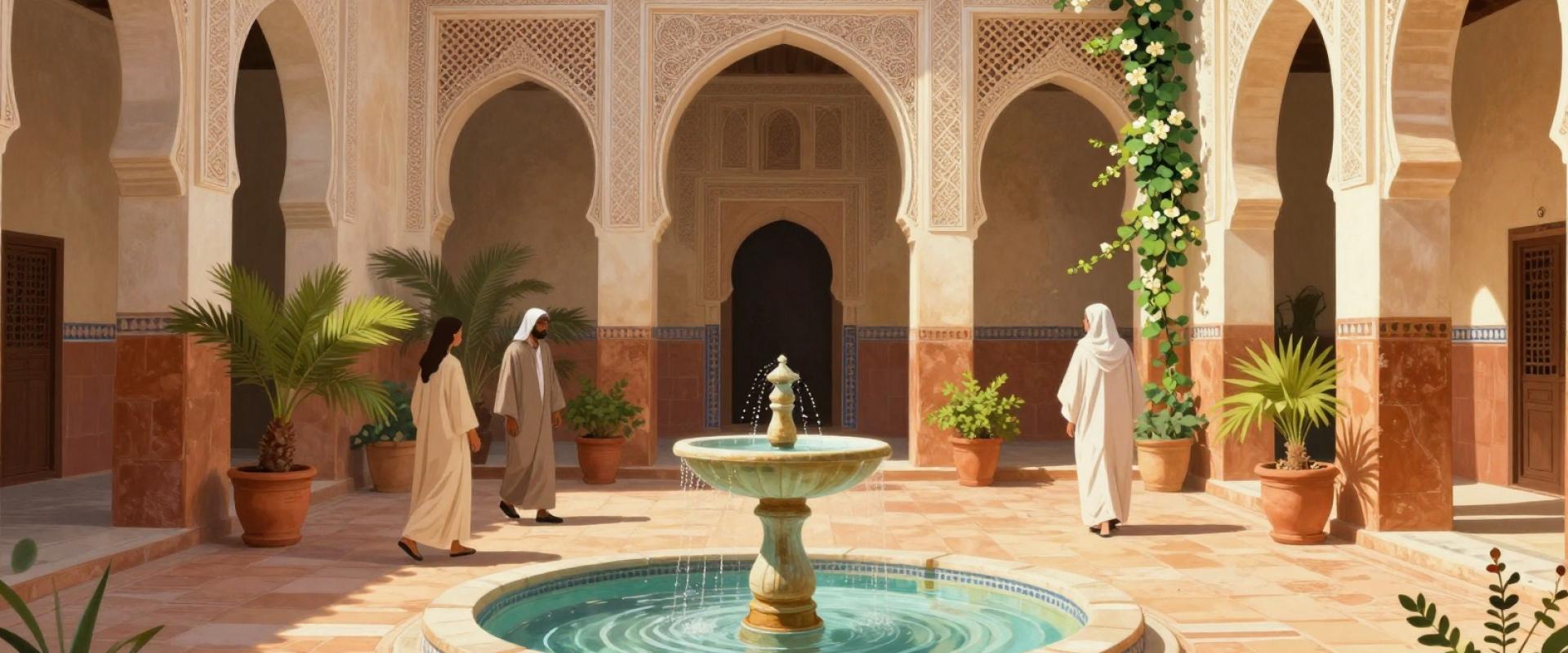
Moroccan dress codes prioritize modesty across urban and rural areas. Cover shoulders, cleavage, and knees at all times. Loose-fitting clothing is preferred over tight garments for comfort and respect. Women should carry a scarf for visiting mosques or hammams. Beachwear is acceptable only in designated resort zones. Public spaces require full coverage outside these specific areas. Men must avoid sleeveless shirts in conservative neighborhoods. Wearing shorts is generally discouraged for men in cities. Traditional attire like djellabas offers excellent cultural integration. Local shops sell affordable modest clothing for travelers. Respect for religious sites dictates strict dress adherence. Non-Muslims cannot enter most mosques regardless of attire. Greetings often involve handshakes, but some locals avoid physical contact. Observe local cues before initiating physical contact. Dressing appropriately facilitates smoother interactions with residents. Avoid transparent or revealing fabrics in public areas. Neutral colors blend well with local aesthetics. Footwear must be removed before entering homes. This simple gesture shows significant cultural respect. Adhering to these norms ensures a respectful visit. Cultural sensitivity enhances the overall travel experience significantly.
Use "Salam Alaykum" as the standard greeting. It means peace be upon you. This phrase works for all Moroccans. Always greet every person in a group individually. Do not skip individuals to save time. This shows respect for each person’s status.
Handshake protocols depend on gender. Men may shake hands with other men. Women often wait for men to extend hands first. Some conservative women avoid physical contact entirely. Always wait for the woman to initiate. Use only your right hand for greetings. The left hand is considered unclean.
Hospitality is central to Moroccan culture. You must accept tea or coffee when offered. Refusing is considered rude and disrespectful. Accepting it builds trust and rapport. Drink the tea slowly and politely.
Use your right hand for all interactions. This includes eating, shaking hands, and passing items. The left hand is reserved for hygiene. Never use it for social exchanges. This rule applies in homes and restaurants. Following these customs ensures respectful engagement.
Photography & Privacy Norms
Always ask explicit permission before photographing locals. Many Moroccans view unasked photos as intrusive. This is especially true for women and children. Respect their refusal without argument. Do not photograph military installations or government buildings. These sites are strictly off-limits for security reasons. Violations can lead to confiscation of equipment or arrest. In religious spaces, silence and discretion are mandatory. Ask before photographing worshippers inside mosques. Most mosques remain closed to non-Muslims anyway. In tourist areas, expect requests for tips. Locals may pose for photos expecting payment. Agree on a small fee beforehand to avoid disputes. Carry small change for these interactions. Avoid photographing police officers or checkpoints. This is considered suspicious behavior. Focus on landscapes and architecture instead. These subjects rarely require permission. Always prioritize respect over capturing the perfect shot. Cultural sensitivity ensures a smoother travel experience. Ignoring these norms can cause significant friction. Be mindful of your surroundings at all times.
Dining Customs & Tipping
Moroccans often eat from a shared communal platter. Use only your right hand for eating. The left hand is considered unclean. Wait for the host to start eating before you begin. This shows respect for their hospitality. When invited to a home, bring a small gift. Chocolates or pastries are appropriate choices. Do not bring alcohol unless you know the host drinks. Finish all food on your plate to show appreciation. Compliment the chef directly after the meal. Tipping is customary in restaurants. Leave 10% of the bill if service is not included. Round up the total for taxi drivers. Give small change to porters and bathroom attendants. Cash in dirhams is preferred for tips. Always tip in person for better service. Do not leave coins on the table. Hand them directly to the worker. This practice ensures they receive the money. It also shows personal respect. Tipping supports the local service economy significantly.
Ramadan & Religious Observances
During Ramadan, Moroccans fast from dawn to sunset. Avoid public eating, drinking, or smoking during daylight hours. This applies to all public spaces, including streets and parks. Respect the spiritual significance of this holy month. Business hours shift significantly. Many shops close earlier or remain closed during midday. Restaurants often operate only after sunset. The pace of life slows considerably. Public behavior should remain subdued and respectful. Loud music or boisterous conduct is inappropriate. If invited to an iftar meal, accept graciously. This gesture shows deep respect for local customs. Dress modestly, covering shoulders and knees. This standard remains strict during Ramadan. Refrain from asking non-Muslims to break their fast. Focus on observing local rhythms. Patience is essential for travelers. Understanding these norms ensures a respectful visit. Moroccans appreciate visitors who honor their traditions. This cultural sensitivity fosters positive interactions. Prioritize respect over convenience during this period.