Essaouira
UNESCO-listed coastal medina with strong Atlantic winds and Portuguese history
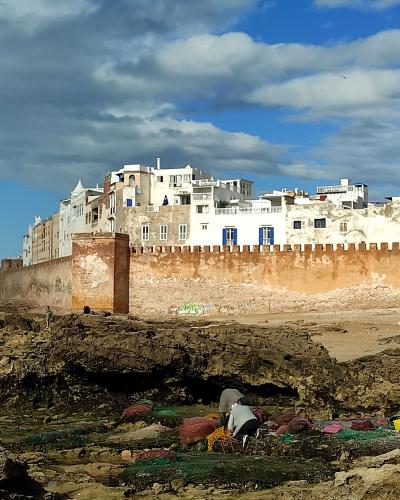
Essaouira is a historic port city on the Atlantic coast in the Marrakesh-Safi region of Morocco. Its history reaches back to ancient times, when the sheltered bay and the nearby Purple Islands were used by early Mediterranean traders, and later the Portuguese built a fortress here that they called Mogador. The city took its present form in the 18th century, when Sultan Mohammed III commissioned the medina walls and ramparts. The plan was drawn up with the help of a French engineer, Théodore Cornut, who combined European military architecture with Moroccan building traditions. The result is a grid of fairly straight streets, unusual in a country where most old towns twist and branch without any plan.
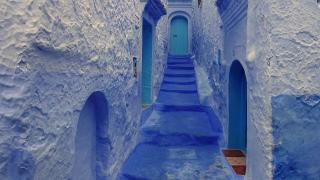
The new port quickly became a crucial trading hub. Gold, ivory and other goods from across the Sahara arrived by caravan and left by ship, and the trade also included enslaved people, a part of the city's past that Moroccan and international historians discuss openly. Merchants from Europe, Africa and the Middle East settled here, and the medina still contains a mellah, once the Jewish quarter, alongside mosques and old merchant houses. The white-washed buildings and blue doors, together with the thick stone gates, led to UNESCO listing as a rare example of a fortified port town of its era.
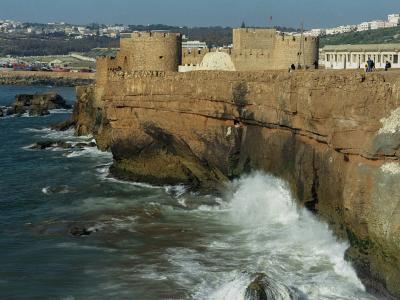
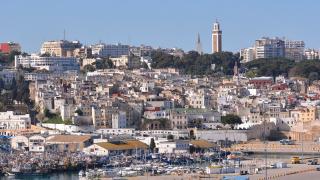
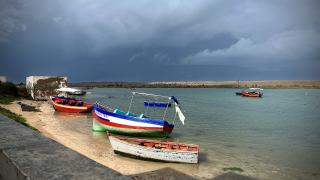
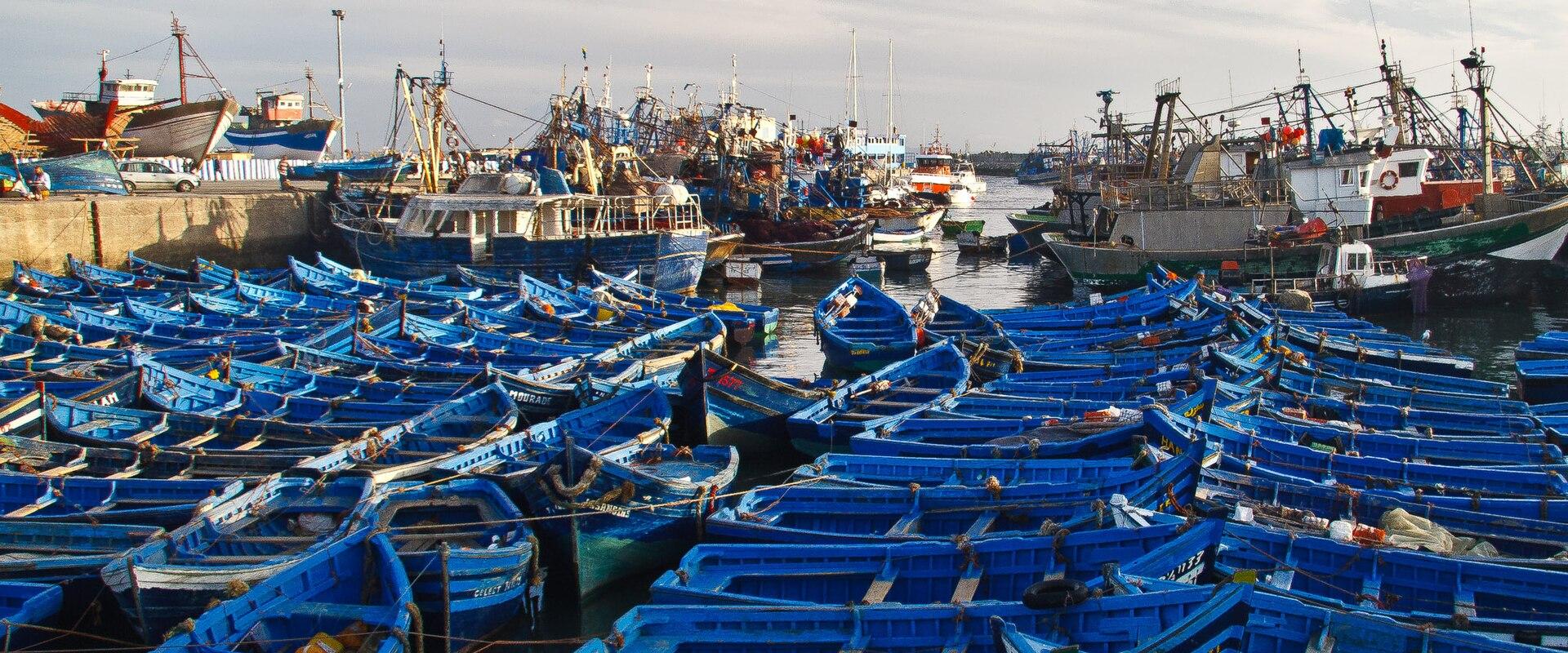
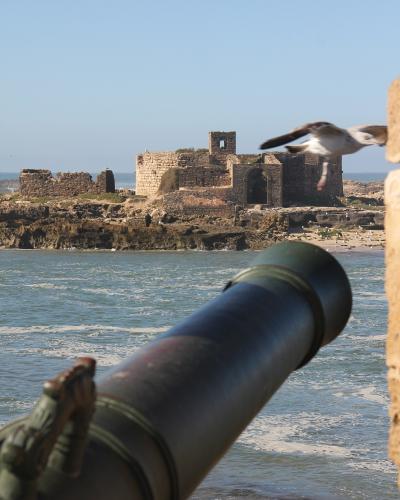
The ramparts are the best place to start. The Skala de la Ville, a fortified rampart with rows of old cannons, offers wide views over the Atlantic and the medina rooftops, and the Atlantic Ocean breaks hard against the rocks below. The Port, with its blue fishing boats and busy quay, is the other great scene. Visitors can watch fishermen unload their catch and then eat fresh seafood at the simple grills nearby, where sardines, sole and shellfish are weighed and cooked on the spot.
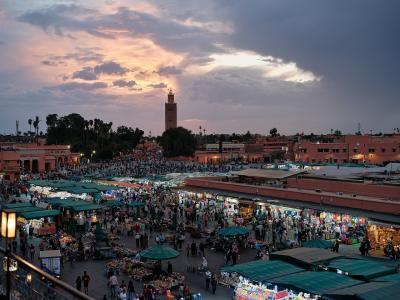
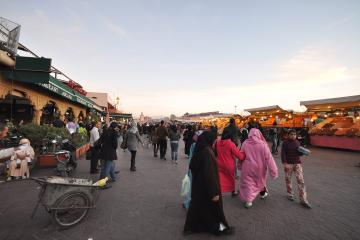
The medina itself is easy to read and pleasant to wander. Its souks are known for their crafts, particularly silver jewellery, woodwork and textiles. Carvers here work with thuya wood, whose root is cut into boxes, tables and chess sets with a distinctive grain, and small workshops let you see the process. Argan oil, produced by cooperatives in the countryside nearby, is on sale in many shops, as are baskets and woven goods. Prices are negotiable in most stalls, and the lanes are calmer than the souks of Marrakech.
Music is part of the city's identity. Essaouira hosts the annual Gnaoua World Music Festival, which fills the squares and the beachfront each summer with Gnaoua musicians and international guests, and the Gnaoua tradition of trance, rhythm and healing ceremonies runs through the local culture all year. Small galleries show painting and photography, and the town has long attracted film makers, including Orson Welles, who shot scenes for his Othello here.
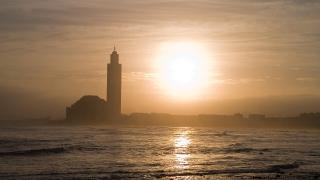
Outside the walls, a long beach curves south toward the village of Diabat. The consistent winds and waves make the bay one of the country's better places for surfing and kitesurfing, and schools along the beach rent equipment and give lessons to beginners. Walkers can follow the sand for a long way, and horse and camel rides are offered on the shore. Day trips by car lead to nearby beaches, argan villages and small fishing settlements along the coast.
Getting to Essaouira is simple by road from Marrakech, with regular buses and car rental, and the journey takes a few hours. The best time to visit is spring, from March to May, or autumn, from September to November, when the weather is mild and pleasant. Summer can be windy even when the inland cities are baking, which makes it a cool escape, and winter is cool and rainy. Accommodation ranges from luxury hotels to traditional riads inside the medina, many with rooftop terraces that look over the walls toward the sea.
Best Time to Visit
Visit in spring or autumn for mild temperatures ideal for exploring the medina and coastal activities comfortably.
Did you know?
Interesting, verified facts about Essaouira
Essaouira's Ramparts Starred in Game of Thrones
Film & TVEssaouira's 18th-century fortified harbor, the skala, appeared in season 3 of Game of Thrones as the slave city of Astapor — it's where Daenerys Targaryen arrives, inspects the Unsullied, and walks the Walk of Punishment (the climactic scene where she seizes her army was shot on studio sets near Ouarzazate). Filmed in 2012 and aired in 2013, the scenes made the city's seafront cannons and ramparts instantly recognizable to millions of viewers — and you can walk that same stretch of wall today.
Source: WikipediaEssaouira Has UNESCO-Linked Heritage
RecordIt is renowned for its well-preserved medina, a UNESCO World Heritage site, and its distinctive Portuguese and French colonial architecture.
Source: Medina of Essaouira (formerly Mogador) | World Heritage ExplorerPlan Your Visit to Essaouira
Essential travel tips and information for your trip to Essaouira.
Suggested Itineraries
Travel Tips
Currency
MAD • Cards widely accepted
Language
Moroccan • English in tourist areas
WiFi
Free WiFi in cafes and hotels
Explore Essaouira by Interest
Discover attractions and experiences in Essaouira organized by your interests and travel preferences.
All attractions in Essaouira
Sorted by our recommendation score
Quick Facts
Book your stay
Frequently Asked Questions
More destinations in Marrakech-Safi
Explore other amazing places in the Marrakech-Safi region