


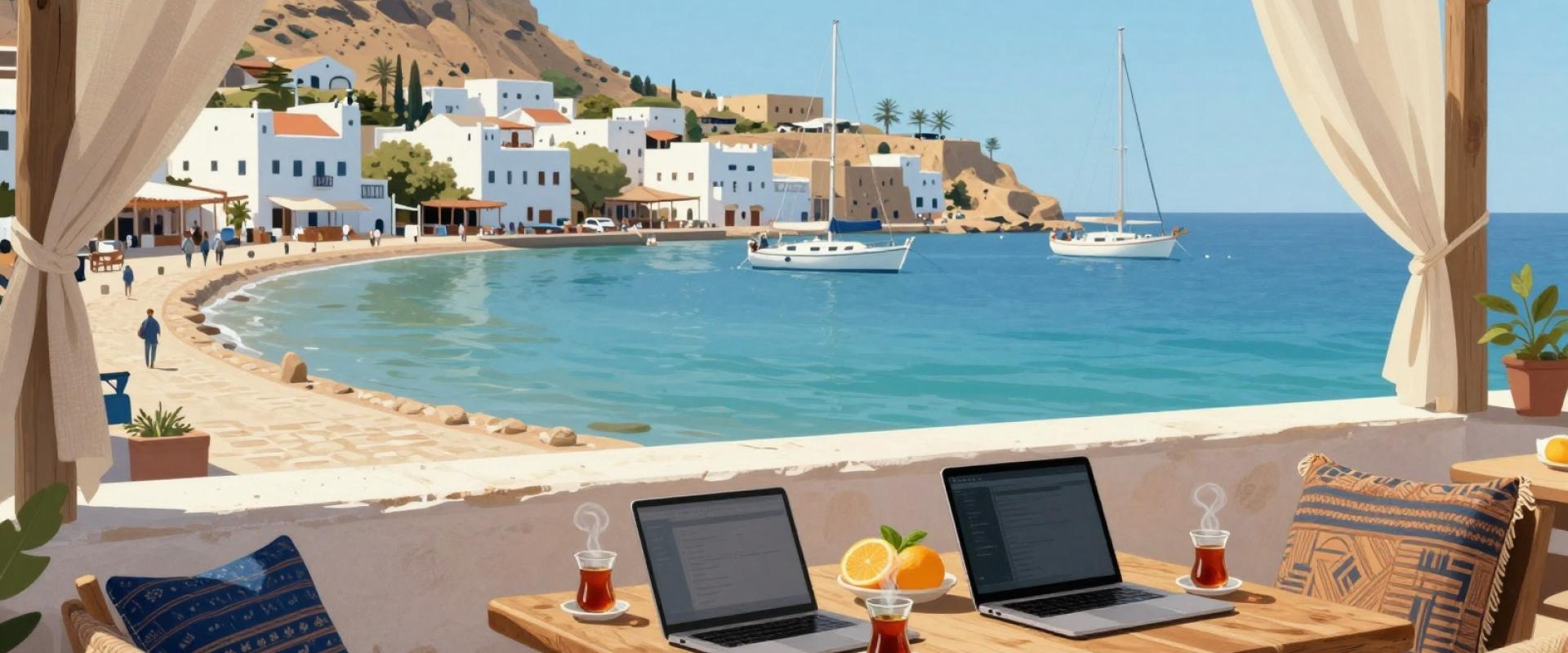
Primary Nomad Hubs
Morocco offers three distinct digital nomad hubs. Each city provides unique infrastructure and lifestyle benefits for remote workers.
Casablanca Casablanca serves as the economic center. It features high-speed fiber internet infrastructure. Corporate networking opportunities are abundant here. Daily coworking rates start at 150 MAD. Studio apartments in the city center cost from 3,000 MAD monthly. This hub suits professionals seeking business connections.
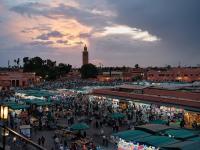
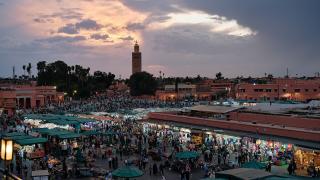
Marrakech Marrakech attracts creatives and cultural enthusiasts. The city offers deep cultural immersion. A balanced lifestyle is easier to maintain here. Fiber internet is widely available in central areas. Monthly budgets average 8,000 MAD for a comfortable stay. Riads in the Medina provide unique living spaces. This hub appeals to those prioritizing culture over corporate life.
Tangier Tangier offers coastal relaxation and European proximity. It hosts a boutique startup scene. The city is close to Spain. Internet speeds reach 50–100 Mbps in urban zones. Mobile 4G/5G coverage provides reliable backup connectivity. Daily coworking costs remain around 150 MAD. This hub is ideal for those valuing geography and startup energy.
All hubs support 90-day visa-free entry for most nationalities. Remote workers should carry mobile data backups for reliability.
Coworking Ecosystem
Casablanca hosts enterprise-grade spaces. These venues offer high-speed fiber internet. The environment remains formal and business-focused. Marrakech provides diverse coworking options. Spaces here prioritize community building. Networking opportunities are abundant for remote workers. Tangier features boutique coworking spaces. These integrate closely with local culture. Internet reliability has improved significantly. Major cities now offer fiber connections. Speeds range from 50 to 100 Mbps. Mobile 4G and 5G coverage is affordable. A mobile data backup remains recommended. Daily coworking rates start at 150 MAD. Studio apartments often include fiber internet. Monthly rent begins at 3,000 MAD. One-bedroom apartments cost from 4,500 MAD. Total monthly budgets average 8,000 MAD. This covers rent, coworking, and food. Most nationalities enjoy 90-day visa-free entry. This facilitates medium-term remote work stays. Backup power varies by location. Verify specific space infrastructure before booking. Internet redundancy is critical for productivity. Ensure your chosen hub meets technical needs. Morocco offers high value for remote workers. Costs are lower than Lisbon or Bali. Quality of life remains high. Practical infrastructure supports consistent remote work. Choose hubs based on specific workflow requirements. Community focus varies by city selection. Formal environments suit corporate clients. Boutique spaces appeal to creative freelancers. Verify current pricing before arrival. Rates may fluctuate with demand. Fiber availability is widespread in hubs. Rural areas may lack consistent connectivity. Plan accommodation near coworking centers. This reduces commute times significantly. Reliable internet is non-negotiable for success. Verify backup power sources locally. Ensure your workspace meets all technical standards. Morocco supports growing digital nomad communities.
Connectivity Standards
Major cities like Casablanca and Marrakech now offer reliable fiber optic internet. Speeds typically range from 50 to 100 Mbps. This bandwidth is sufficient for most remote work tasks. Many studio apartments in city centers include this fiber connection. Daily coworking space rates start at 150 MAD. These spaces provide stable, high-speed connections for daily use. You must still prepare for potential service interruptions. Mobile data serves as a crucial backup for nomads. Local SIM cards are available from Maroc Telecom, Orange, and Inwi. These providers offer affordable 4G and 5G coverage. Carrying a local SIM ensures you stay connected. Security is also a priority on public networks. Always use a VPN when accessing sensitive work data. This protects your information from potential network threats. Rural areas require extra caution regarding internet access. Bandwidth can be inconsistent outside major urban hubs. Verify available speeds with your accommodation host before booking. This step prevents unexpected connectivity issues during your stay. The overall infrastructure has improved significantly in recent years. Morocco is no longer known for unreliable WiFi. However, redundancy remains essential for professional remote work. Plan your daily workflow around these connectivity standards. This approach ensures productivity regardless of location. The cost of living supports this digital lifestyle. A comfortable monthly budget is approximately 8,000 MAD. This covers rent, coworking fees, and data plans. Efficient connectivity management is key to success in Morocco.
Visa and Legal Framework
Most nationalities enjoy 90-day visa-free entry. This applies to tourism and remote work. You can work legally during this period. No specific visa is required initially. The clock starts upon entry. You must track your days carefully. Stays exceeding 90 days require action. Mandatory police registration is essential. You must visit the local police station. Bring your passport and proof of address. This process legalizes your extended stay. Failure to register can cause fines. Keep copies of all legal papers. Store digital and physical backups securely. This documentation proves your legal status. Coworking spaces often provide address proof. Use your rental contract for registration. Consult experts for business income. Generating local revenue changes your status. Remote work for foreign clients is different. Seek legal advice for business setup. Morocco does not yet have a digital nomad visa. The 90-day rule remains the standard. Plan your stays around this limit. You can leave and re-enter. However, frequent border runs are risky. Authorities may question your intent. Maintain clear records of your activities. Ensure your passport has six months validity. This is a standard entry requirement. Reliable internet supports your remote work. Fiber speeds reach 100 Mbps in cities. This infrastructure supports long-term stays. Legal compliance ensures peace of mind. Always prioritize official registration procedures.
Budget and Cost Management
Morocco offers high-value remote work infrastructure. A comfortable monthly budget averages $800 USD. This covers rent, coworking, food, and transport. Coworking memberships range from $150 to $300 monthly. Daily rates start at 150 MAD. Fiber internet is often included in studio rentals. Studio apartments cost from 3,000 MAD monthly. One-bedroom units begin at 4,500 MAD. Medinas and riads offer unique housing options. Accommodation prices vary by city and type. Expect costs between $400 and $1,200 monthly. Food expenses depend heavily on dining choices. Local market meals cost around $5. Restaurant dinners may reach $30 per meal. Prioritize local souks for affordable daily groceries. Transport costs remain low within urban hubs. Use shared taxis or public buses. Plan for an emergency fund separately. Secure three months of living expenses. Monthly rentals provide better rates than hotels. Negotiate directly with landlords for long stays. Verify internet speeds before signing leases. Backup 4G/5G data is recommended. Essaouira offers lower costs than Casablanca. Financial planning ensures sustainable remote work. Track daily spending to maintain budget discipline. Local currency transactions avoid high fees. Cash remains essential for small vendors. Digital payments work in modern coworking spaces. Monitor exchange rates for accurate budgeting. Morocco supports long-term digital nomad stays. Visa-free entry facilitates initial planning. No specific visa is required initially. The 90-day period allows flexible scheduling. Extend stays through legal channels if needed. Maintain clear records of all expenses. This approach ensures financial stability abroad.
Operational Best Practices
Power reliability varies in medina riads. Carry a high-capacity power bank. Verify if your accommodation includes backup generators. Noise levels in Casablanca hubs can be high. Use noise-canceling headphones for calls. Select rooms facing away from busy streets. Dress modestly in public coworking spaces. Respect local Islamic customs during prayer times. Avoid loud conversations in shared areas. Networking opportunities exist in major cities. Attend local meetups in Marrakech or Casablanca. Build connections with other remote workers. Manage time zones carefully. Morocco operates on UTC+1. Adjust your schedule for European clients. Use local payment methods for daily expenses. Carry cash for small transactions. Digital payments are growing in hubs. Manage logistics through local apps. Use Careem for transport. Book coworking desks via local platforms. Ensure your SIM card provides data. Orange and Maroc Telecom offer coverage. Check signal strength before signing leases. Plan for occasional internet outages. Have a mobile hotspot ready. Stay informed about local holidays. These affect business hours. Adapt your workflow accordingly. Maintain flexibility in your schedule. Prioritize essential tasks during peak hours. Build a routine that respects local rhythms. This ensures a smoother remote work experience.