Safi
Historic Atlantic port city renowned for ceramics and sardine industry
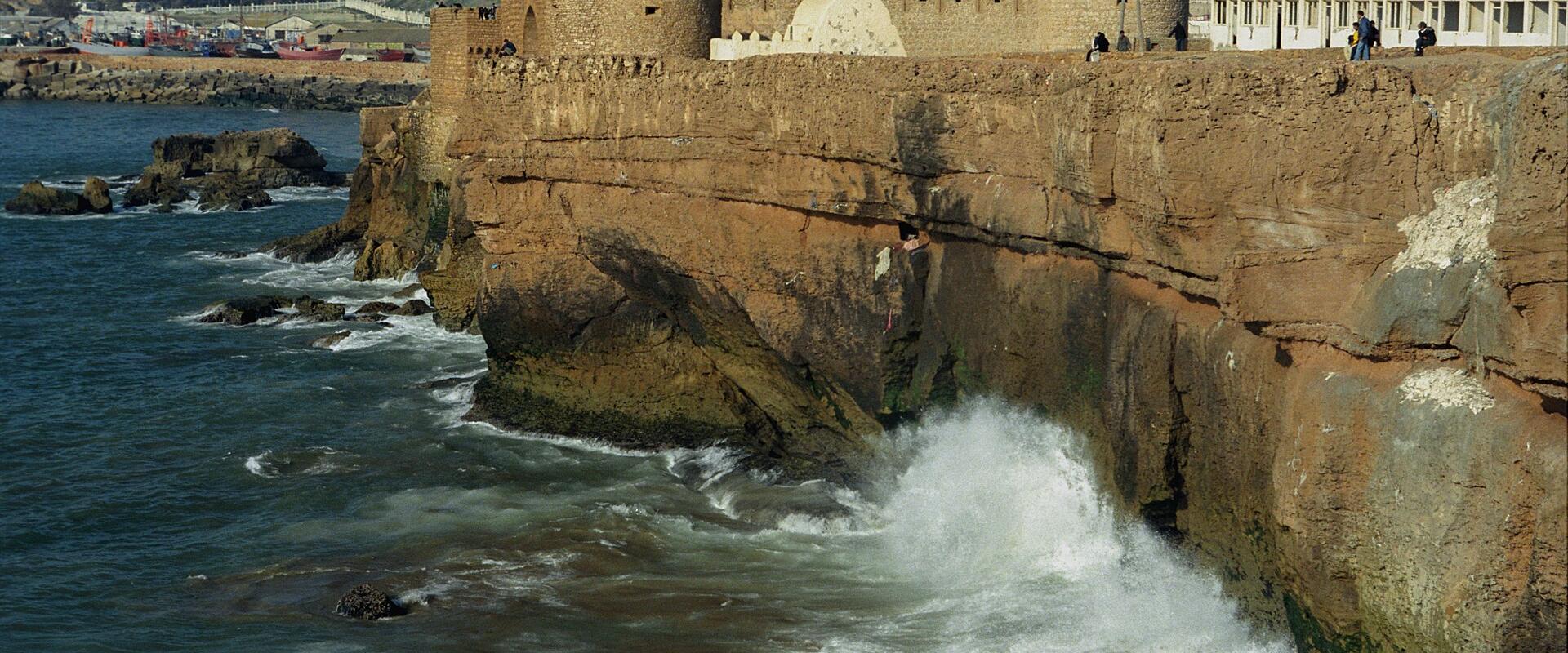
Safi is a city with a rich industrial and artistic heritage, situated on the Atlantic coast of Morocco. Its history dates back to ancient times, and it gained prominence during the Portuguese occupation in the late 15th and early 16th centuries, when the port served as a base for trade with the interior. The Portuguese built the Kasbah of Safi, a fortified structure that still stands today, reflecting the military architecture of the era. Alongside it, the sea castle known as Ksar el Bahr, or Portuguese Sea Castle, rises from the shore as a 16th-century fortification, with ramparts that look out over the waves and a platform of old cannon. The remains of an unfinished Portuguese cathedral in the old town are another reminder of the period.
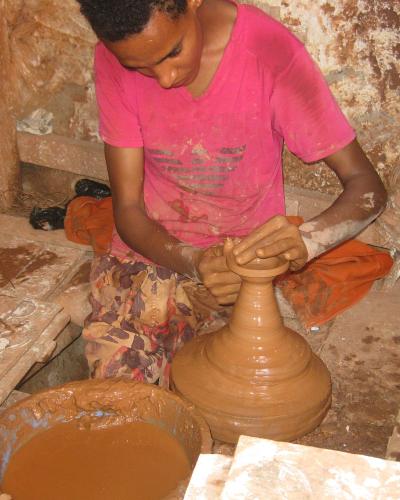
After the Portuguese were expelled, the city continued to thrive as a centre for trade and craftsmanship. Safi is particularly famous for its ceramics, with blue and white pottery being one of its best known products, alongside bold green, yellow and brown glazes. The city's pottery district, the Colline des Potiers, is a hub of activity on a hillside outside the old walls, where artisans use traditional techniques passed down through generations to create intricate designs. Workshops are open to visitors, who can watch clay being thrown, painted and fired in wood kilns, and buy pieces directly from the makers.
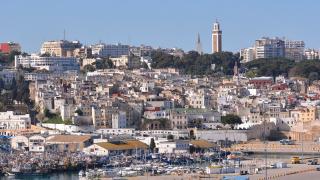
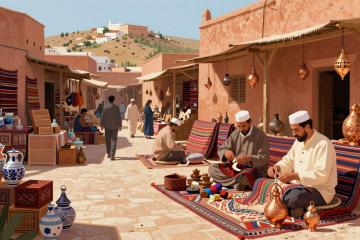
Key attractions include the Kasbah of Safi, which houses a museum dedicated to the city's history and the art of pottery. The National Ceramics Museum, set in the old Kechla fortress, shows the evolution of the local craft, with historic pieces from different regions of Morocco. The medina of Safi is a labyrinth of narrow streets, markets and workshops, offering a sensory experience of spices, textiles and crafts. Its main street runs from the gate near the sea up toward the Kasbah, lined with shops selling pottery, clothing and everyday goods.
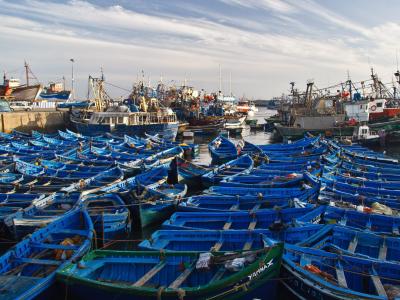
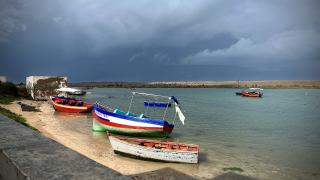
The port is a lively area where visitors can watch fishermen unloading their catch and observe the bustling sardine canneries. Safi has long been among the busiest sardine ports in the world, and the smell of fish and the cry of gulls follow the day's work from the early morning auction onward. Beyond the harbour lies the industrial side of the city, centred on phosphate processing, which helps explain its economy and its size.
Activities in Safi include visiting the pottery workshops to see the craft in action, exploring the medina and enjoying fresh seafood at local restaurants, where grilled sardines and other fish are served simply with bread and salad. The city also offers access to nearby beaches for relaxation, and the coast north of town is known for surf breaks that draw local surfers. A walk along the cliffs gives views of the sea castle and the ocean beyond.
Getting to Safi is convenient by road from Marrakech or Casablanca, with regular bus services available. The climate is Mediterranean, with mild, wet winters and warm, dry summers. The best time to visit is spring, from March to May, or autumn, from September to November, when the weather is pleasant for outdoor activities. Summer can be hot, while winter may bring rain. Accommodation ranges from hotels to guesthouses, with options for visitors interested in culture, craft and the working life of a port.
Best Time to Visit
Visit in spring or autumn for mild temperatures ideal for exploring the medina and coastal areas comfortably.
Plan Your Visit to Safi
Essential travel tips and information for your trip to Safi.
Suggested Itineraries
Travel Tips
Currency
MAD • Cards widely accepted
Language
Moroccan • English in tourist areas
WiFi
Free WiFi in cafes and hotels
Explore Safi by Interest
Discover attractions and experiences in Safi organized by your interests and travel preferences.
All attractions in Safi
Sorted by our recommendation score
Quick Facts
Book your stay
Frequently Asked Questions
More destinations in Marrakech-Safi
Explore other amazing places in the Marrakech-Safi region