Tetouan
UNESCO-listed Andalusian medina in the Rif Mountains near Mediterranean
Tetouan is a city of profound historical and cultural significance in northern Morocco, situated in the Tangier-Tetouan-Al Hoceima region. It was refounded in the 14th century under the Marinid dynasty as a fortress, and it truly flourished after the late 15th century, when it became a refuge for Muslims and Jews expelled from Spain. Andalusian exiles led by Sidi al-Mandri rebuilt the town after it had been destroyed, bringing their architectural styles, artistic traditions and agricultural techniques, which deeply influenced the city's development. The result is a town with a Spanish and Andalusian character that sets it apart from other Moroccan cities.
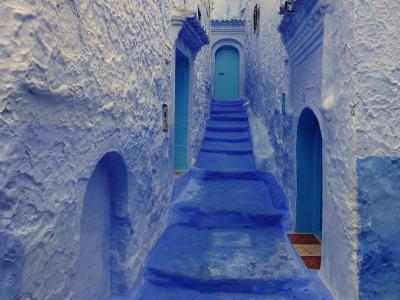
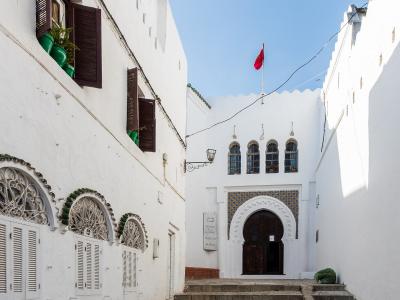
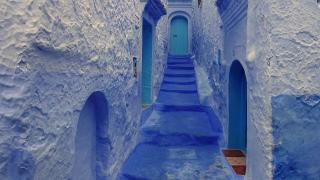
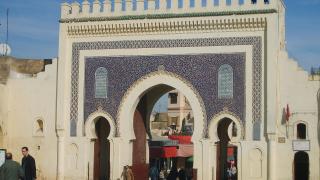
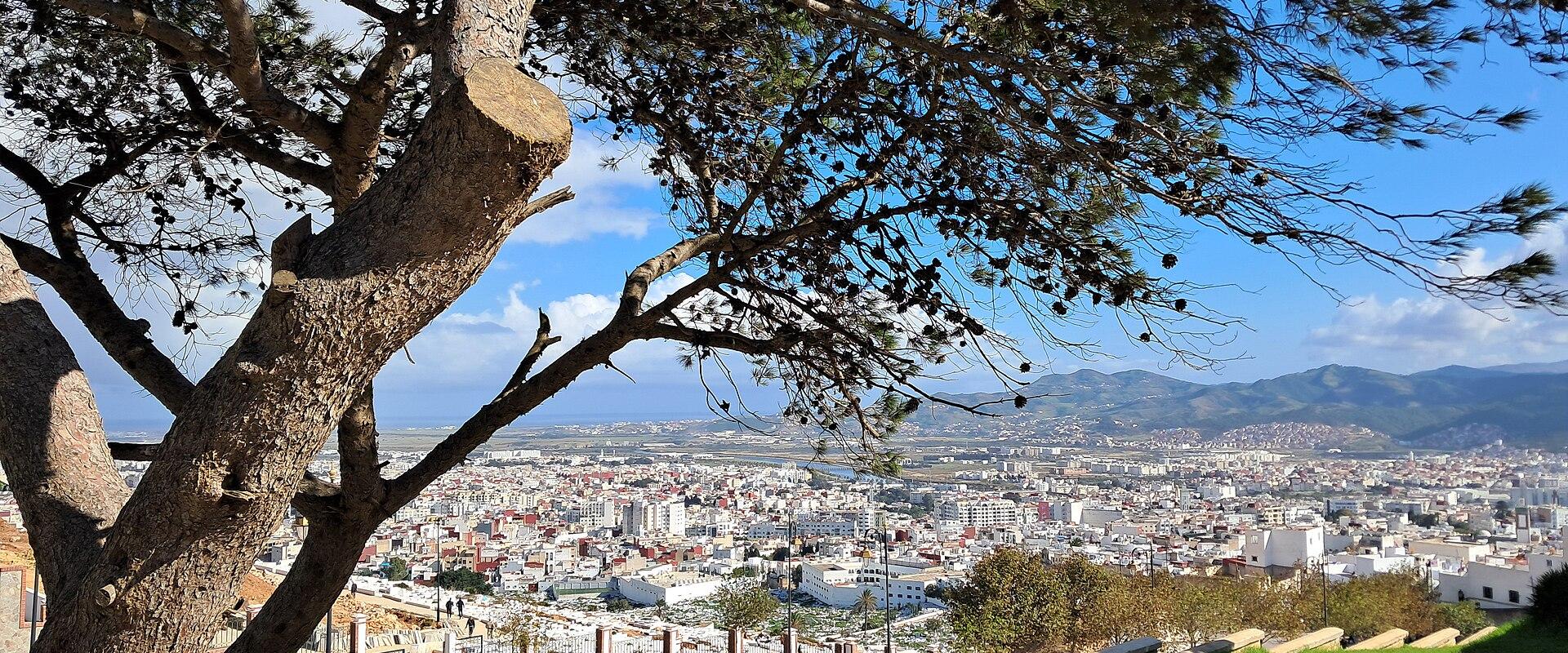
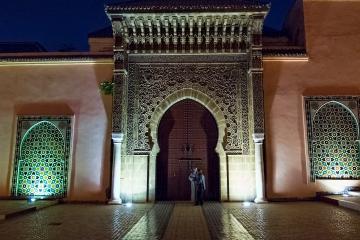
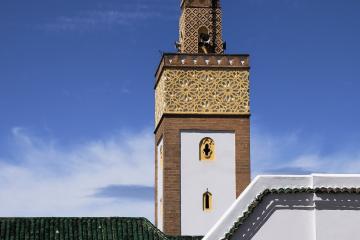
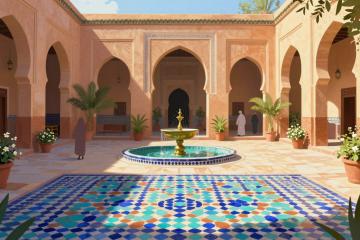
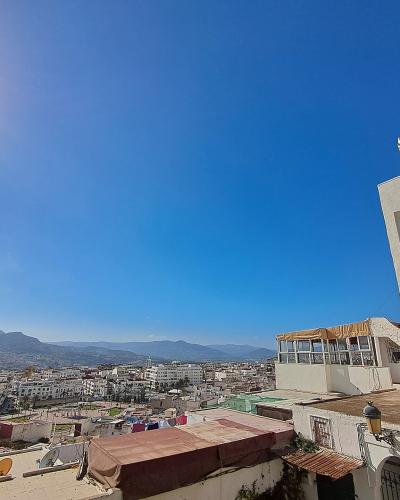
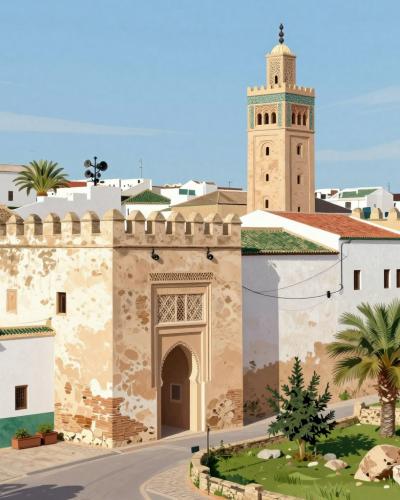
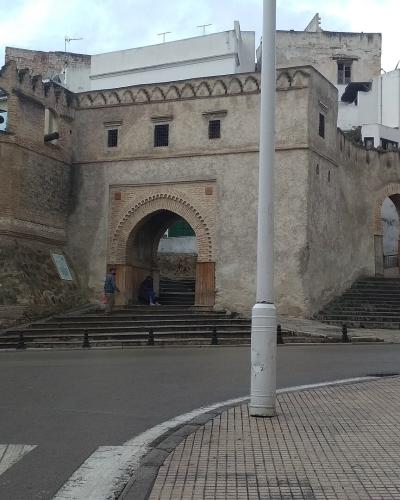
The medina of Tetouan is a masterpiece of Andalusian-Moorish architecture, featuring whitewashed walls, intricate tilework (zellige) and carved cedar wood. It was designated a UNESCO World Heritage site in 1997 for its outstanding universal value. It is one of the best-preserved historic quarters in Morocco, and its seven main gates, such as Bab el-Madine, lead into districts of narrow lanes, covered passages and small squares. The Kasbah of Tetouan, on the edge of the old town, is also part of the heritage zone, and it gives views across the rooftops.
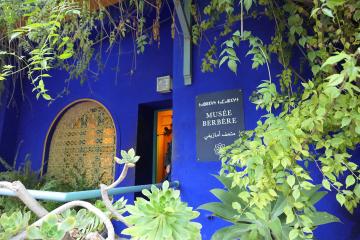
Key attractions include the Kasbah Museum, housed in a former royal palace, which displays artifacts from the region's history, including Roman mosaics and traditional costumes. Dar Naji, a restored 19th-century mansion in the medina, houses the Museum of Art and Popular Traditions, with displays of household objects, textiles, musical instruments and decorated rooms that show how wealthy families lived. The central squares, cafés and shops provide a useful point for rest, and the Jardin de la Place Mohammed V is a green space where residents meet in the evening.
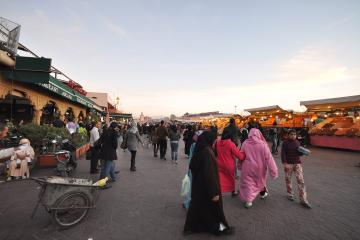
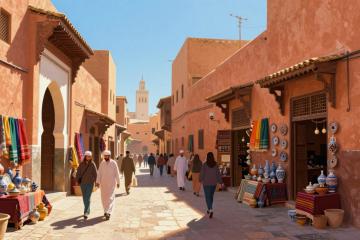
The city is also known for its artisan workshops, where visitors can observe and purchase traditional crafts such as pottery, leather goods and textiles. The craft school in the medina trains young artisans in woodcarving, zellige and embroidery, and cooperatives sell items directly. Food reflects the Andalusian roots, with pastries, almond sweets and slow-cooked dishes available in small restaurants.
The nearby beaches of Martil and M'diq offer opportunities for swimming and relaxation, while the Rif Mountains provide hiking trails with wide views. Activities in Tetouan include exploring the medina, visiting local museums, attending the annual International Festival of Folklore, and taking day trips to Chefchaouen, the blue town in the mountains. Many visitors also combine Tetouan with a stay in Tangier, which is about an hour away by road. Walking the medina without a fixed plan is rewarding, because every turn reveals a fountain, a carved door or a workshop where a craftsman is at work, and the pace is slower and quieter than in the larger souks of Fez or Marrakech.
Getting to Tetouan is convenient by road from Tangier or by bus from major Moroccan cities. The best time to visit is during the spring (April to June) or autumn (September to October) when the weather is mild and pleasant. Summer can be hot, while winter may bring rain. Accommodation ranges from traditional riads to modern hotels, offering a range of experiences for visitors.
Best Time to Visit
Visit in spring or autumn for mild temperatures ideal for exploring the medina and coastal areas comfortably.
Did you know?
Interesting, verified facts about Tetouan
Tetouan: The Moroccan City Rebuilt by Granada's Refugees
HistoryAs the Spanish Reconquista closed in on Granada, one of the Nasrid kingdom's own military commanders, Ali al-Mandri — who had defended the frontier fortress of Píñar — fled across the strait around 1491 with hundreds of noble Granadan families and led the rebuilding of ruined Tetouan, raising its walls before filling them with houses. After Granada fell in 1492, waves of Andalusi Muslim and Jewish refugees swelled the city, rebuilding it in the image of the Andalusia they had lost — which is why Tetouan's whitewashed medina still looks strikingly Spanish-Moorish today. That medina was inscribed as a UNESCO World Heritage Site in 1997 as an outstanding testimony to the meeting of Moroccan and Andalusian civilizations.
Source: WikipediaPlan Your Visit to Tetouan
Essential travel tips and information for your trip to Tetouan.
Suggested Itineraries
Tetouan Cultural Heritage
2 days2-day UNESCO Andalusian medina and coastal heritage tour
View ItineraryTravel Tips
Currency
MAD • Cards widely accepted
Language
Moroccan • English in tourist areas
WiFi
Free WiFi in cafes and hotels
Explore Tetouan by Interest
Discover attractions and experiences in Tetouan organized by your interests and travel preferences.
All attractions in Tetouan
Sorted by our recommendation score
Quick Facts
Book your stay
Frequently Asked Questions
More destinations in Tangier-Tetouan
Explore other amazing places in the Tangier-Tetouan region