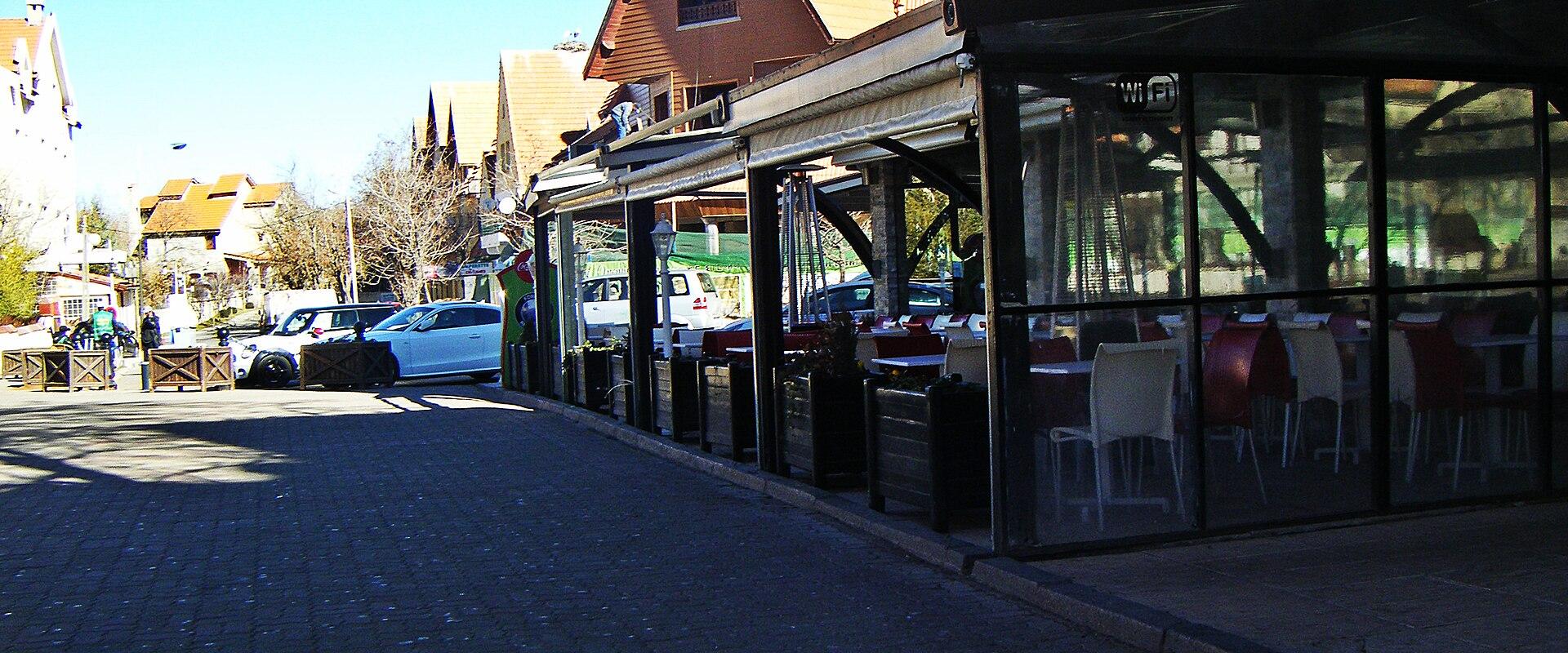
Ifrane Town Center (Place de l'Indépendance)
Historic French colonial plaza in the Atlas Mountains
- Where
- Ifrane, Fes-Meknes
- Directions
- Directions
Ifrane is a town built in the 1920s by the French administration in the Middle Atlas Mountains of Morocco as a hill station, and its centre, around the main square, still looks like a fragment of the Alps in North Africa. The French chose the site for its altitude, around 1,650 metres, its cool summers and its snow in winter, and built a model town of steep-roofed, chalet-style houses with gardens, tree-lined avenues and a lakeside park. The town was founded in 1929, and its Alpine-inspired architecture is quite unlike anything in Morocco’s medinas or kasbahs, which is why Ifrane is often nicknamed Little Switzerland.
Ifrane’s centre is compact and pleasant to walk. Clean streets, red-tiled roofs, pastel facades and flower beds give it an orderly feel, and the square, called Place de l'Indépendance in some descriptions, is lined with cafés, bakeries and restaurants where residents and students gather. The town is home to Al Akhawayn University, founded in the 1990s, whose international campus adds a young, cosmopolitan note, and the royal family has a palace in the surrounding forest. Historically, Ifrane was a place where French officials and settlers escaped the summer heat, and later it became a favoured holiday resort for Moroccan families seeking cool air and snow, so it carries both colonial and national associations.
A few details are worth looking for. The stone lion, a large sculpture on the edge of the town park, is the best-known landmark and a favourite for family photographs. The park beside the stream, with its lawns, bridges and pedalos in summer, is a good place for a stroll. Ifrane also holds a remarkable weather record: in 1935 it registered a temperature of about minus twenty-four degrees Celsius, the lowest ever recorded in Africa, a fact that locals like to recall.
The town works well as a base for the cedar forests and lakes of the Middle Atlas. Cedar Forests and the national park lie close, and lakes such as Dayet Aoua and Lake Dayet Iffer are within a short drive, offering walks and picnics. Visitors should dress in layers, since mountain weather can change quickly, and in winter snow may close roads. Comfortable shoes are useful on the paved streets and park paths.
Ifrane suits travellers interested in colonial-era planning, families looking for a cool escape in summer and anyone breaking the journey between Fez and Marrakech. It is not a historic medina, and its charm lies in its tidy streets and its contrast with the rest of Morocco. A morning in the park, a coffee in the square and an afternoon in the forest make a pleasant day.
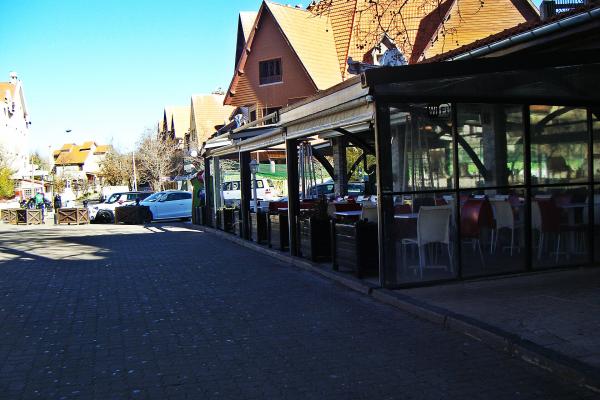
More photos coming soon
Nearby Attractions
Other places to visit in Ifrane
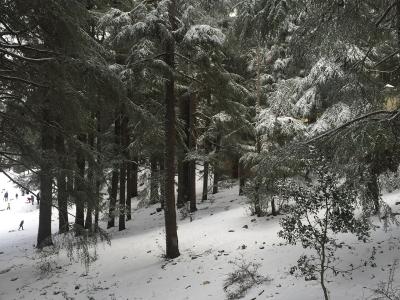
Cedar Forest of Ifrane
Ancient Atlas cedar forest in Ifrane
Natural Wonders · Hiking
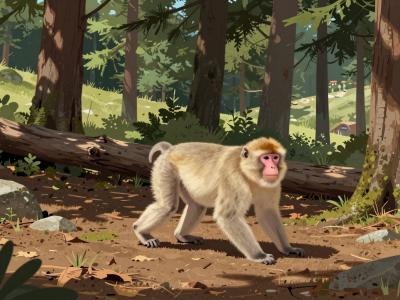
Ifrane National Park
Middle Atlas park protecting Barbary macaques and wetlands
Activities & Adventure · Natural Wonders
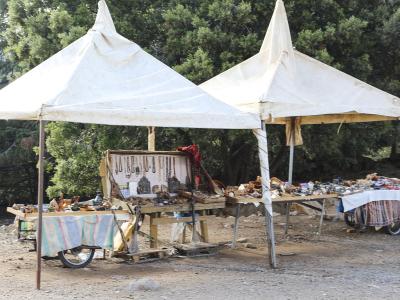
Local Artisan Markets
Traditional Berber crafts in Ifrane's cedar forests
Free Local Crafts · Markets
Questions people ask
Quick Facts
Best Time to Visit
Visit in winter for skiing or spring and autumn for mild hiking weather and wildlife viewing.