Rabat
Morocco's capital city blending Atlantic coast with historic imperial heritage
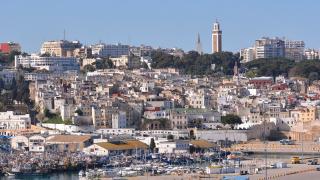
Rabat is the capital of Morocco and a city of historical and cultural importance. Its history dates back to the 12th century, when the Almohad dynasty established it as a fortified military camp, or ribat, on the Atlantic shore. Earlier, the site of Chellah beside the river had been a Roman and then Marinid settlement. The city has served as a capital under various dynasties, including the Marinids and Alaouites, and in 1912 it became the capital of the French protectorate, when the resident-general chose it as his administrative centre, before regaining that role with independence in 1956. In 2012, UNESCO inscribed Rabat as a modern capital and historic city that shares its heritage across several periods.
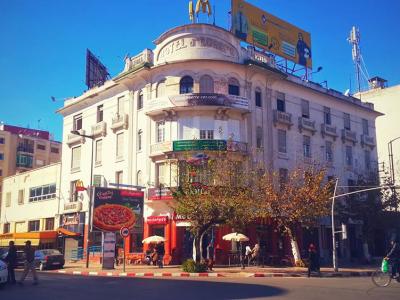
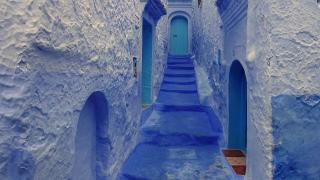
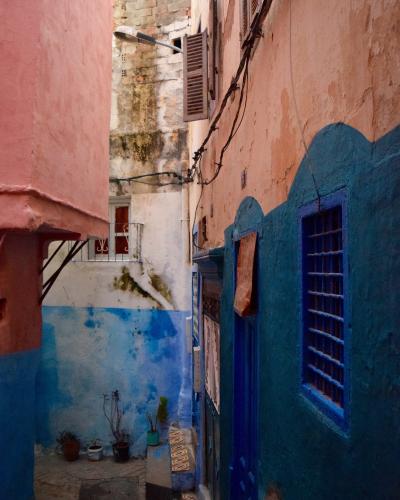
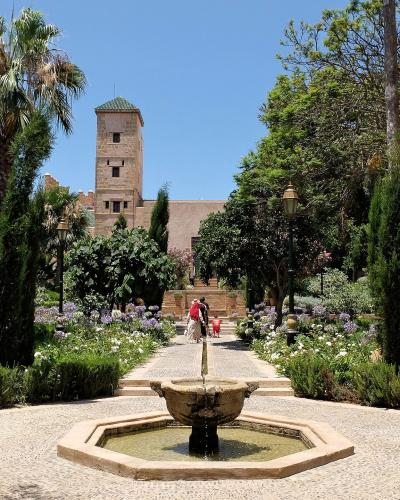
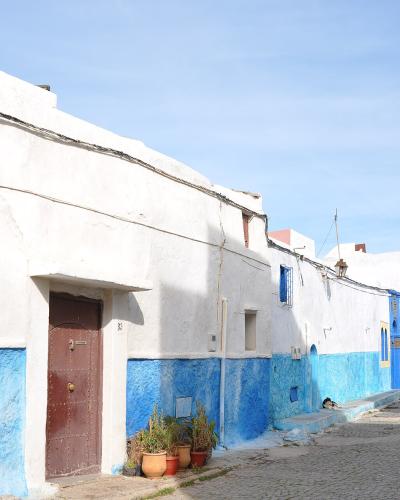
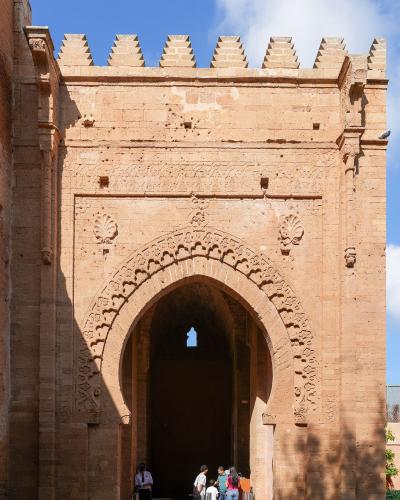
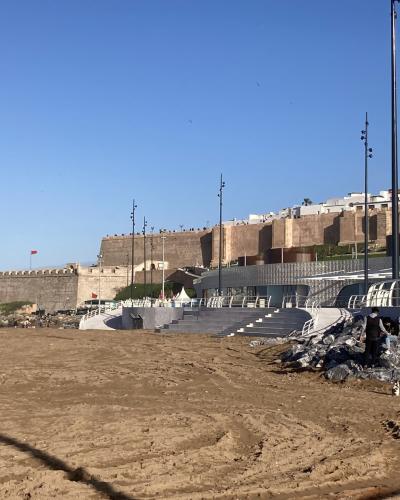
The architecture reflects this layered history. The Kasbah of the Udayas, a 12th-century fortress on a hill at the mouth of the Bou Regreg River, shows traditional Moorish design, with a monumental gate, white-washed buildings, blue doors and narrow streets that lead down to the Atlantic Ocean. Inside the Kasbah, the Andalusian Gardens offer a shaded retreat, and the Oudaias Craft Museum shows the ethnography of the region. The Ville Nouvelle, or New Town, features French colonial boulevards and buildings, with Art Deco facades, wide pavements and tree-lined streets.
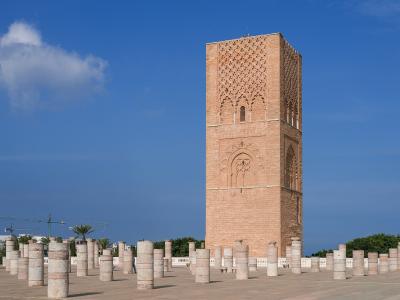
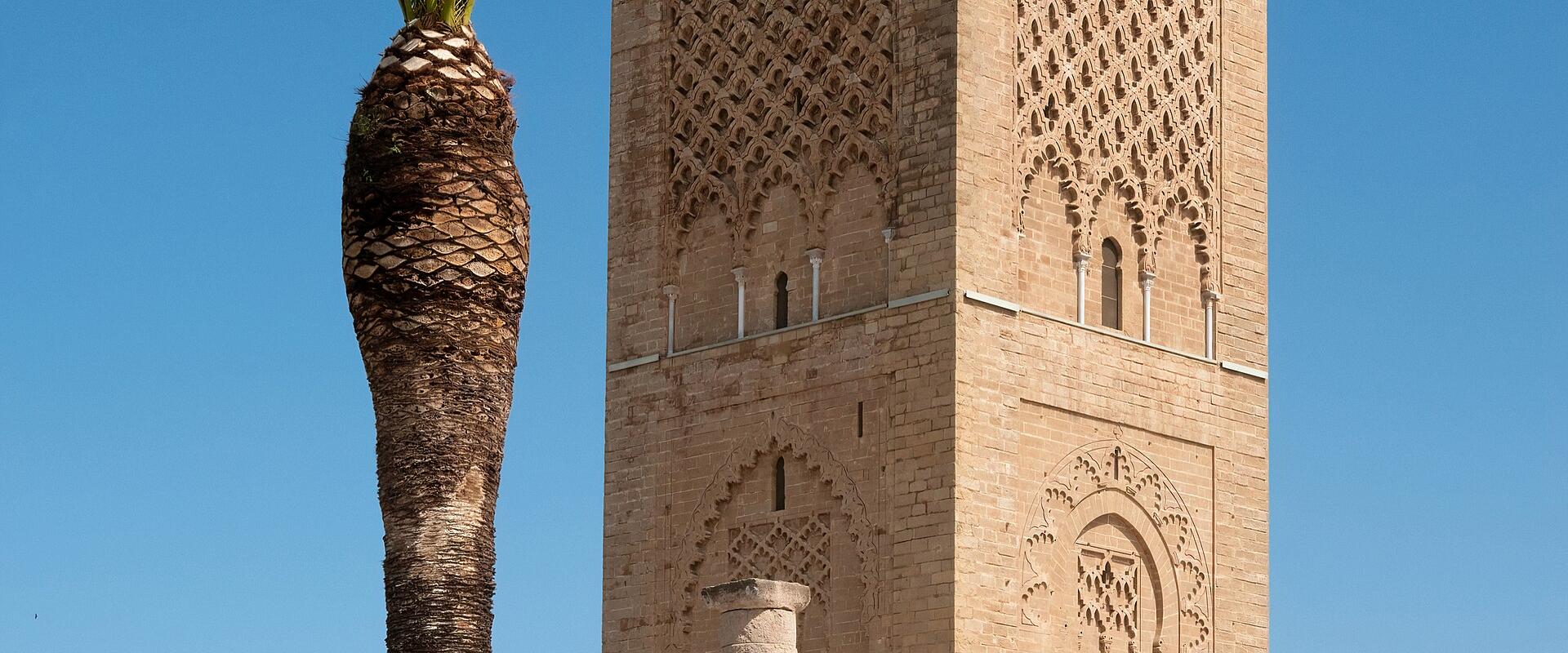
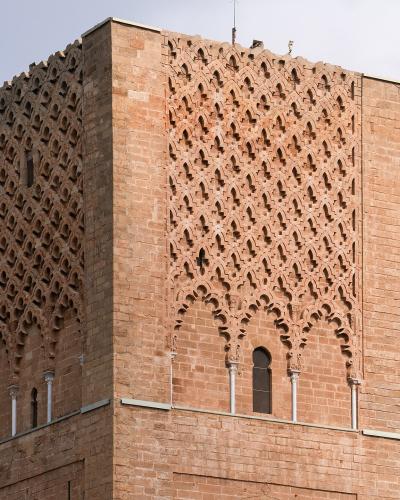
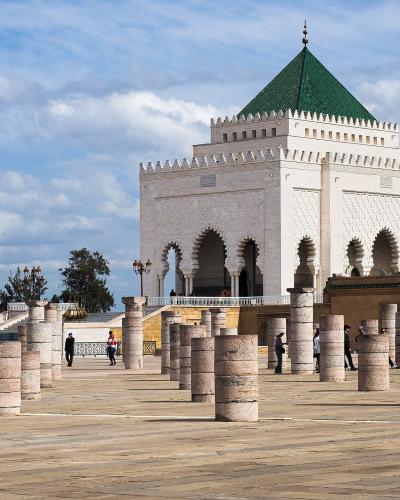
Key attractions include the Hassan Tower, an unfinished minaret begun in the 12th century that remains a symbol of Rabat. Beside it stands the Mausoleum of Mohammed V, which houses the tombs of King Mohammed V and members of his family. The mausoleum is an example of modern Moroccan architecture, combining traditional zellige tilework, carved plaster and a green tiled roof with contemporary design. Guards in ceremonial uniform stand at the entrance, and visitors should dress modestly. The ruined columns of the old mosque, in front of the Hassan Tower, create one of the city's best-known scenes.
The Chellah Necropolis, a Roman site later used as a Marinid necropolis, offers a serene garden setting with ancient ruins. Storks nest on the old walls, and the stone remains of the Roman town of Sala Colonia can be seen alongside the Marinid shrines. In summer, the site hosts the Jazz au Chellah series of concerts, and the capital's largest music event, Mawazine, brings international artists to stages across the city each year.
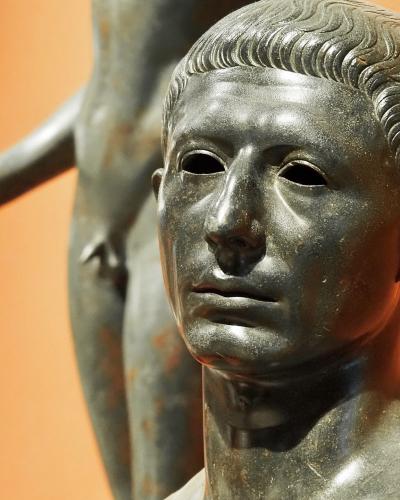
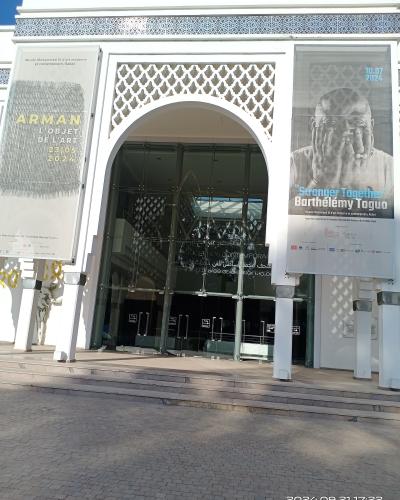
Museums are another strength of the capital. The Mohammed VI Museum of Modern and Contemporary Art shows Moroccan and international art, and the Archaeological Museum holds finds from across the country, including Roman bronzes. Activities in Rabat include visiting these museums, exploring the medina and its main shopping street, and enjoying the coastal promenades and the beach below the Kasbah. The Bou Regreg valley has been redeveloped with a marina, walkways and cafés, and small boats cross to Salé for a short fee.
Getting to Rabat is convenient via train from major cities like Casablanca and Marrakech, with frequent services from the Rabat-Ville and Rabat-Agdal stations. The city is also accessible by road and by air via Rabat-Salé Airport, and a tram connects it with Salé. The best time to visit is during the spring (March to May) or autumn (September to November) when the weather is mild and pleasant. Summer can be hot and humid, while winter may bring rain. Accommodation ranges from luxury hotels in the Ville Nouvelle to traditional riads in the medina.
Best Time to Visit
Visit in spring or autumn for mild temperatures ideal for exploring historic sites and coastal areas comfortably.
Did you know?
Interesting, verified facts about Rabat
Rabat's 800-Year-Old Unfinished Skyscraper of Islam
HistoryIn 1191, the Almohad caliph Yaqub al-Mansur began building what was meant to be the largest minaret in the world in Rabat, planned to soar to at least 64 meters, alongside a mosque that would have been the largest in the western Muslim world. When al-Mansur died in 1199, construction stopped with the tower at just 44 meters, and his successors never finished it. Today the Hassan Tower still stands frozen mid-build, surrounded by 348 columns of the abandoned mosque — an eight-century-old construction site turned national landmark.
Source: WikipediaRabat Has a Second Local Claim
HistoryAs one of the four imperial cities, it serves as the country's political and administrative center, offering a more relaxed and orderly atmosphere compared to the bustling imperial cities of Fez and Marrakech.
Source: Imperial cities of Morocco - WikipediaPlan Your Visit to Rabat
Essential travel tips and information for your trip to Rabat.
Suggested Itineraries
Discovering Rabat
1 dayUNESCO heritage, imperial ruins, and Atlantic views in one day
View ItineraryTravel Tips
Currency
MAD • Cards widely accepted
Language
Moroccan • English in tourist areas
WiFi
Free WiFi in cafes and hotels
Explore Rabat by Interest
Discover attractions and experiences in Rabat organized by your interests and travel preferences.
All attractions in Rabat
Sorted by our recommendation score
Quick Facts
Book your stay
Frequently Asked Questions
More destinations in Rabat-Salé-Kénitra
Explore other amazing places in the Rabat-Salé-Kénitra region