







Ouarzazate
Cinematic gateway to Sahara with historic kasbahs in Draa-Tafilalet
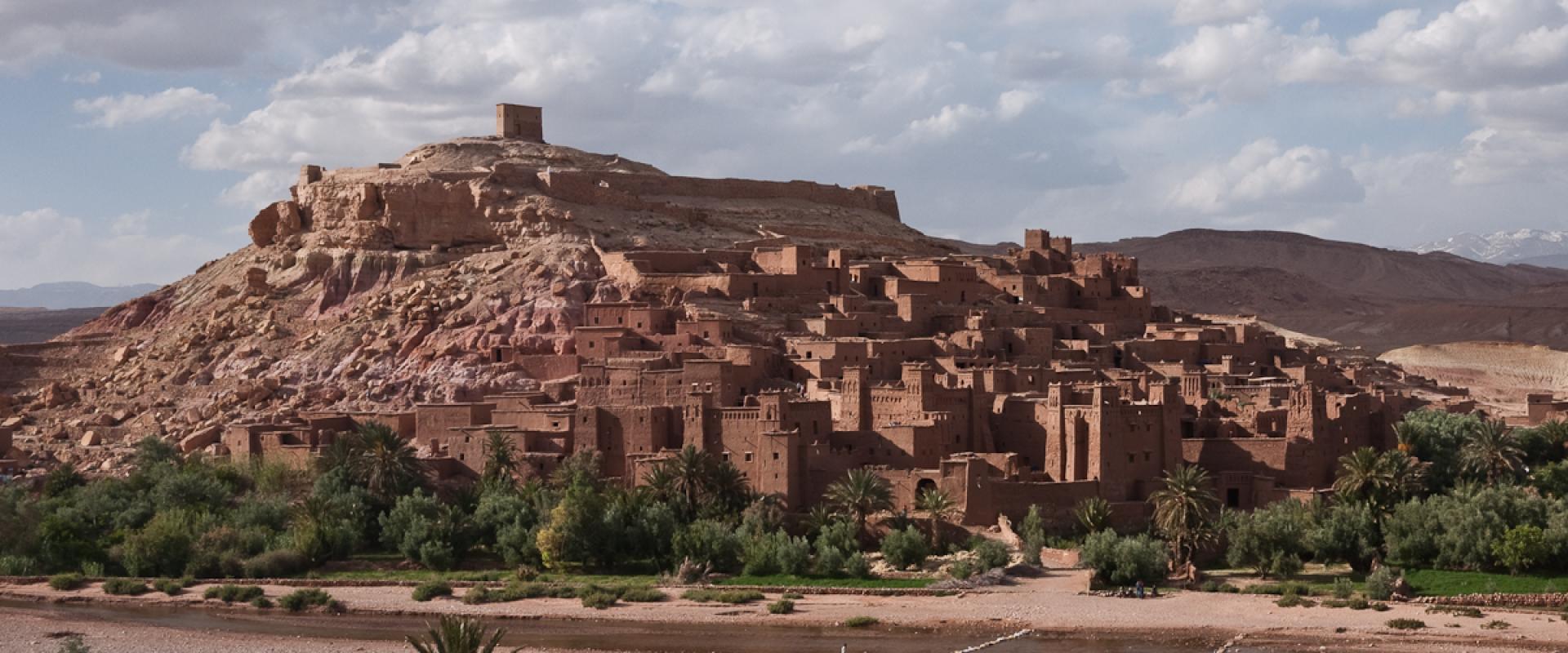
Ouarzazate is a city of historical and cinematic importance in Morocco. Historically, it was a strategic point for controlling the trade routes between the High Atlas Mountains and the Sahara Desert. In the 20th century, it grew around a French military garrison and the kasbah of the local ruling family. The city's architecture is dominated by kasbahs, fortified villages that reflect the defensive needs of the region, built from rammed earth and straw in warm ochre tones.
The most famous of these in the city is the Kasbah of Taourirt, the residence of the local Pasha, Thami el Glaoui, which has been featured in many films. Its rooms, with painted ceilings and carved plasterwork, give a view of how a powerful family lived, and parts of it have been restored. Another notable structure is the Kasbah of Ait Ben Haddou, located nearby, which is a UNESCO World Heritage site and one of the most iconic examples of Moroccan earthen architecture. The old medina of Ouarzazate, with its mud-brick lanes, completes the town's heritage.
The city's cinematic heritage is equally significant. Since the 1950s, Ouarzazate has been a popular location for film shoots due to its diverse landscapes, ranging from desert dunes to mountain peaks, and its reliable light. The Atlas Studios, one of the largest film studios in the world, are located here, hosting productions such as 'Lawrence of Arabia,' 'Gladiator,' and 'Game of Thrones.' Visitors can tour the studios and see props and sets from these productions, and a second complex nearby shows more film sets. The Musée de l'Image et du Cinéma, in a former studio building, adds more detail about film making.
Key attractions include the Kasbah of Taourirt, the Atlas Studios, and the nearby Ounila Valley, known for its palm groves and scenic drives. Farther afield, the Skoura Palm Grove, east of the city, is a vast green oasis scattered with old kasbahs, and the Draa Valley to the south runs through a long ribbon of palms. Traditional hammams in the old town give a glimpse of social and bathing customs in southern Morocco, and many guesthouses can arrange a visit.
Activities in Ouarzazate include exploring the kasbahs, visiting the film studios and taking day trips to the surrounding gorges and desert areas. The Dades and Todra gorges lie east, while the Tizi n'Tichka pass leads north to Marrakech. Large solar power plants near the city are part of Morocco's energy programme, and visible from the road on the way east. Travellers who like walking can follow paths through the palm groves near Skoura or Fint.
The city is well connected by road and air, with Ouarzazate Airport offering domestic and some international flights. The best time to visit is during the spring (March to May) or autumn (September to November) when the weather is mild and pleasant for outdoor activities. Summer can be extremely hot, while winter nights can be cold. Accommodation options range from luxury hotels to traditional guesthouses, catering to both film enthusiasts and general visitors.
Best time to visit
Visit in spring or autumn for mild temperatures ideal for exploring kasbahs and desert landscapes comfortably.
What to see in Ouarzazate
Our picks first.
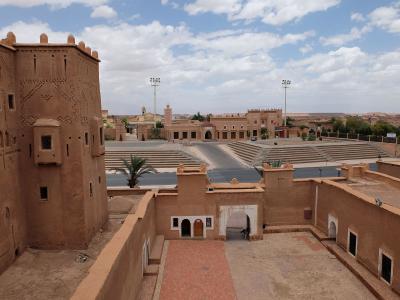
Kasbah Taourirt
16th-century kasbah with intricate zellige tilework
Cultural Experiences · History & Heritage
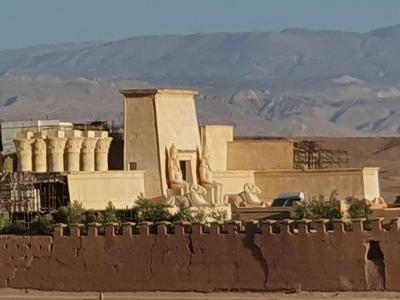
Ouarzazate Film Studios (Atlas Studios)
Iconic film studio in Ouarzazate, Morocco
Guided Tours · Museums
Ouarzazate Old Medina
Ancient mud-brick kasbahs and film studios
Cultural Experiences · History & Heritage
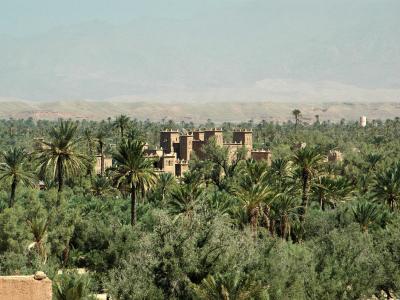
Skoura Palm Grove
Historic palm oasis on the road to Boumalne Dades
Activities & Adventure · Cultural Experiences
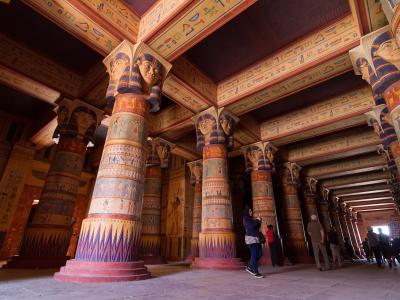
Atlas Film Studios Tour
Largest film studios in the world
Guided Tours · Museums
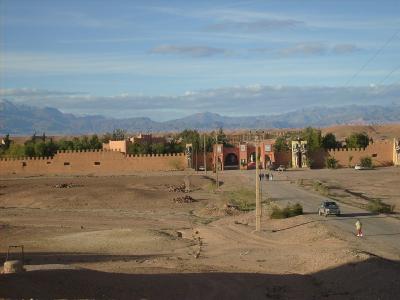
Atlas Studios
Open-air film set museum in Ouarzazate
Educational · Guided Tours
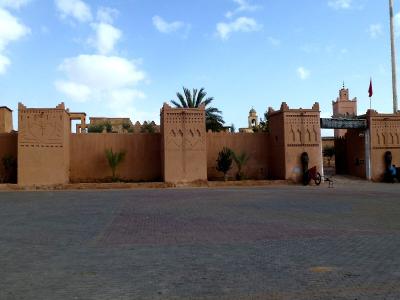
Musée de l'Image et du Cinéma
Former Italian studio housing film sets and vintage equip...
From MAD 40 Museums · Theaters
Ouarzazate by interest
The same sights, grouped by what you came for.
Did you know?
Checked facts about Ouarzazate, each with its source.
-
Film & TV
Gladiator's Slave-Sale Scenes Were Shot at Ouarzazate
Atlas Studios on the edge of Ouarzazate was founded in 1983 by Moroccan entrepreneur Mohamed Belghmi. Ridley Scott shot the Gladiator scenes where Maximus is sold into slavery there, and the backlot still holds a Tibetan temple built for Martin Scorsese's Kundun (1997) and an Egyptian temple from Asterix & Obelix: Mission Cleopatra (2002). Nearby Aït Benhaddou was used as the city of Yunkai in Game of Thrones.
Source: Time Travel Turtle
Planning a visit to Ouarzazate
Itineraries that include Ouarzazate
Good to know
- Currency
- MAD
- Language
- Arabic
Quick Facts
Book your stay
Questions people ask
More places in Draa-Tafilalet
Draa-Tafilalet
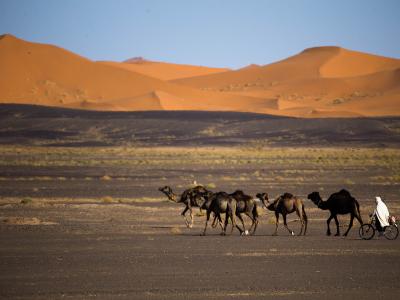
Merzouga
Merzouga: Gateway to Erg Chebbi dunes in the Sahara Desert
Draa-Tafilalet
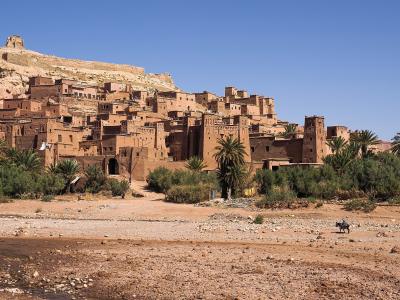
Aït Benhaddou
UNESCO fortified ksar on historic caravan route in Draa-Tafilalet
Draa-Tafilalet
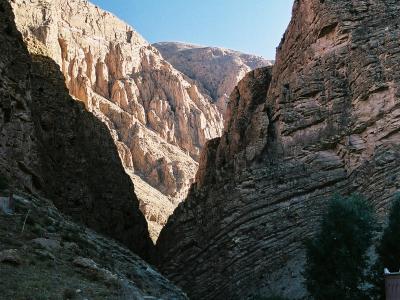
Dades Gorge
Spectacular winding canyon with unique rock formations in the Atlas Mountains
Draa-Tafilalet
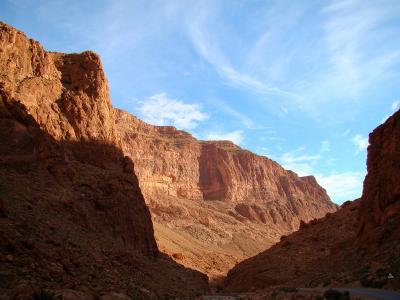
Tinghir
Gateway to Todra Gorge and ancient oasis in Draa-Tafilalet region