Atlas Mountains
Major mountain range in North Africa separating Sahara from coast
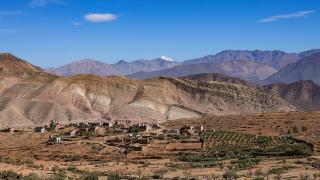
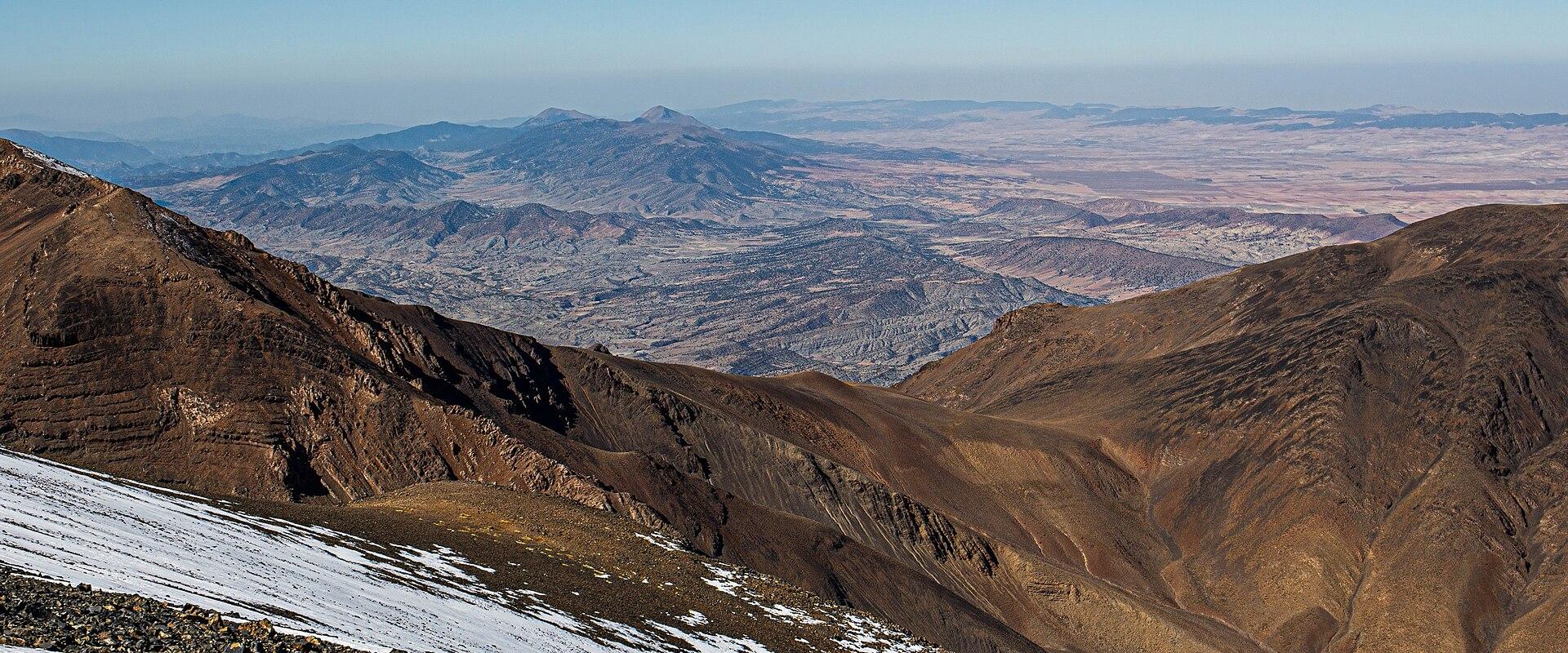
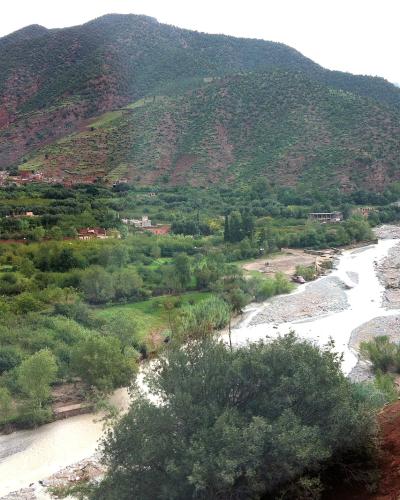
The Atlas Mountains form the geological backbone of Morocco and a significant part of the Maghreb's geography. Historically, these mountains have served as a refuge for indigenous Berber communities, allowing them to preserve their language, customs and social structures despite various external influences. The name 'Atlas' is derived from the Greek Titan Atlas, who was said to hold up the sky, reflecting the imposing nature of the range. The mountains catch rain and snow from the Atlantic, feeding rivers that irrigate the plains and oases, and in this way shape settlement patterns across the country.
The High Atlas, the most prominent sub-range, contains Mount Toubkal, the highest point in North Africa. This peak attracts thousands of trekkers annually who seek to reach its summit, typically starting from the village of Imlil, a base with guesthouses and mountain guides. The ascent is a demanding walk rather than a technical climb in summer, though snow and ice in winter require proper gear and experience. In September 2023 an earthquake struck the High Atlas and damaged many villages in the area, so visitors should check current local conditions and support affected communities by using local guesthouses and guides.
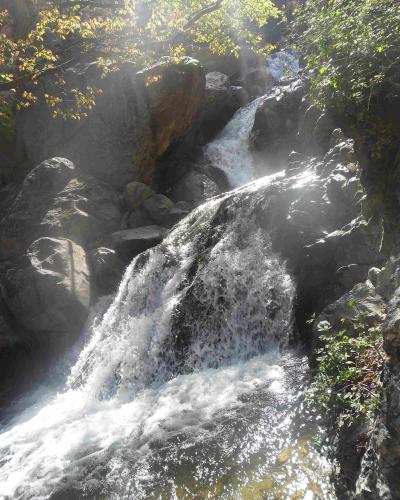
Closer to Marrakech, the Ourika Valley offers a short escape into the mountains, with riverside cafés, terraced villages and the Setti Fatma Waterfalls at the head of the valley, reached by a path that climbs over rocks and small bridges. The Oukaïmeden plateau above holds a small ski resort, which operates when snow allows. The valley is busy at weekends, so a weekday visit is calmer.
The Middle Atlas is characterized by lush cedar forests, home to the endangered Barbary macaque, and by lakes and volcanic plateaus around the town of Ifrane. The Anti-Atlas, to the south, features more arid landscapes of pink granite, argan trees and almond groves, with painted rocks near Tafraoute. The Dades and Todra gorges, cut into the southern slopes of the High Atlas, are among the most dramatic canyons in the country.
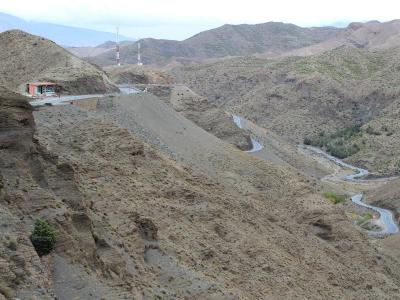
Key attractions include the Tizi n'Tichka pass, a dramatic mountain road connecting Marrakech to the Sahara, and numerous kasbahs (fortified villages) that dot the valleys, such as Ait Ben Haddou. Villages build with local stone and earth, and the colours of the buildings match the soil around them. Markets on set days bring people down from the high valleys to trade, and visiting one is a lively way to see regional life.
Activities in the Atlas Mountains include multi-day trekking, day hikes, horseback riding, mule trips and cultural tours of Berber villages. Visitors can stay in traditional guesthouses (gites) or riads in mountain towns, and a meal of tagine with bread and mint tea is a typical welcome. Guides are recommended for higher routes, since weather changes quickly.
Getting to the Atlas Mountains is easiest via Marrakech, which is the primary gateway. From there, buses and taxis connect to various trailheads and villages. The best time to visit is during the spring (April to June) and autumn (September to October) when temperatures are mild and trails are clear. Summer can be hot in the valleys and snowy on the peaks in early season, while winter brings heavy snow to the High Atlas, making high-altitude trekking difficult without proper gear. Accommodation ranges from basic mountain huts to luxury desert camps on the southern slopes.
Best Time to Visit
Visit in spring or autumn for mild temperatures ideal for trekking and exploring mountain villages comfortably.
Did you know?
Interesting, verified facts about Atlas Mountains
North Africa's Rooftop Rises in the High Atlas
RecordJebel Toubkal in Morocco's High Atlas is, at 4,167 metres (13,671 ft), the highest peak in Morocco, the Atlas Mountains, North Africa and the entire Arab world. Despite its imposing height, it was only first climbed on record on 12 June 1923, by the Marquis de Segonzac, Vincent Berger and Hubert Dolbeau. Today it is one of Africa's most accessible 4,000-metre summits, typically trekked in two days from the village of Imlil near Marrakech.
Source: WikipediaPlan Your Visit to Atlas Mountains
Essential travel tips and information for your trip to Atlas Mountains.
Suggested Itineraries
Discovering Atlas Mountains
1 dayOne-day trek through Atlas villages and Imlil trails
View ItineraryTravel Tips
Currency
MAD • Cards widely accepted
Language
Moroccan • English in tourist areas
WiFi
Free WiFi in cafes and hotels
Explore Atlas Mountains by Interest
Discover attractions and experiences in Atlas Mountains organized by your interests and travel preferences.
All attractions in Atlas Mountains
Sorted by our recommendation score
Quick Facts
Book your stay
Frequently Asked Questions
More destinations in Marrakech-Safi
Explore other amazing places in the Marrakech-Safi region