Tangier
Strategic coastal city at the Strait of Gibraltar meeting point
Tangier is a city of profound historical significance, strategically located on the Strait of Gibraltar. Its history dates back to ancient times, with Phoenician and Roman settlements, and the city features in Greek and Roman stories. In the 15th century, it was occupied by the Portuguese, who built fortifications and held the town for generations. It was later ceded to England as part of the dowry of Catherine of Braganza to Charles II, before being returned to Morocco in 1684, after the English decided the upkeep was too costly.
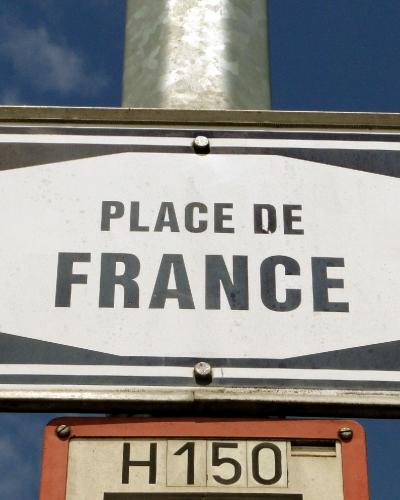
The 20th century saw Tangier become an international zone, administered by several powers, which attracted a diverse population of artists, writers and spies, and this left a lasting cultural imprint. Banks, newspapers and embassies grew up alongside bars and cafés. The period ended with Moroccan independence in 1956, but the cosmopolitan memory has remained part of the city's identity, and the architecture of the Ville Nouvelle, including Place de France with its French colonial buildings, recalls this era.
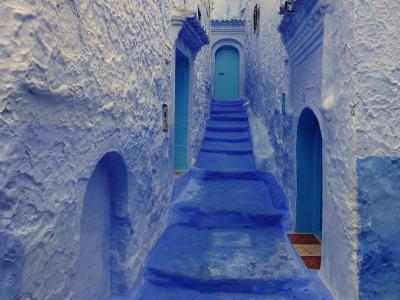
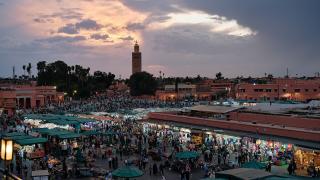
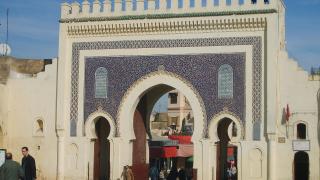
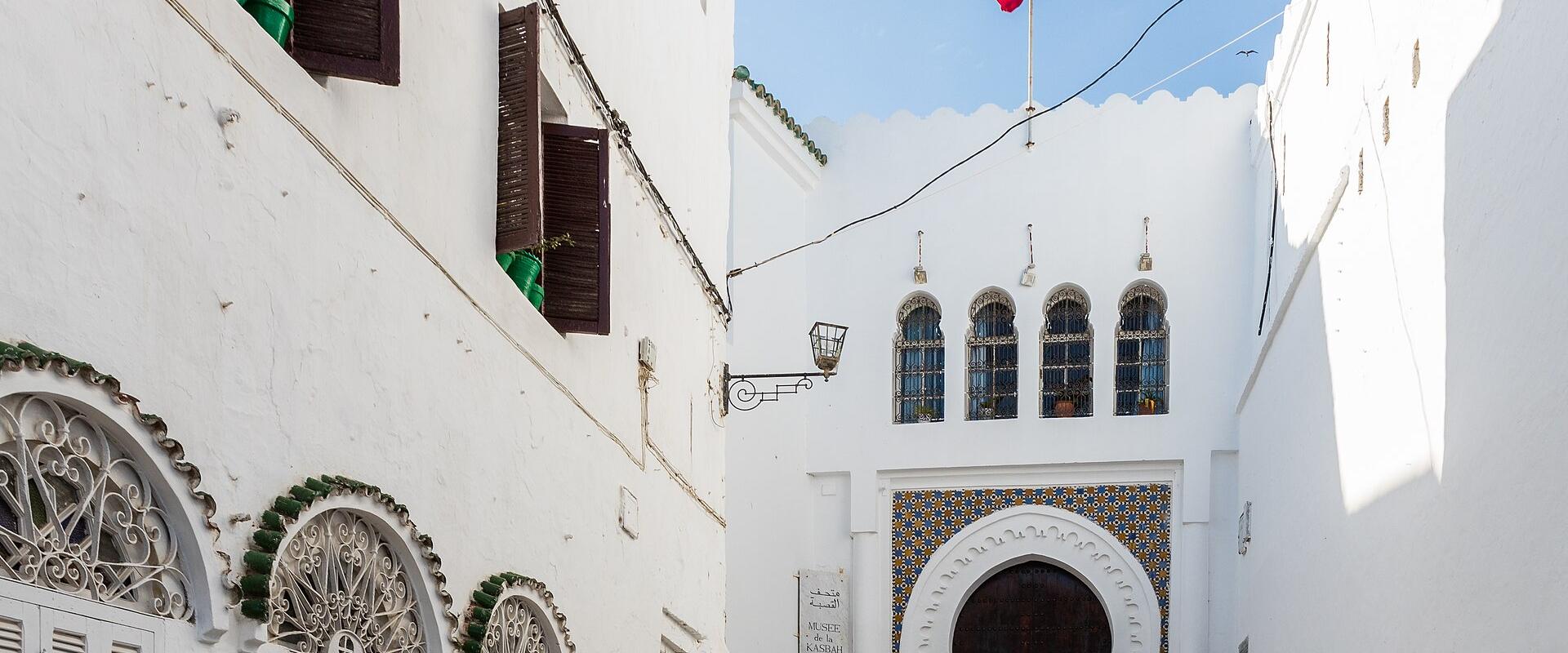
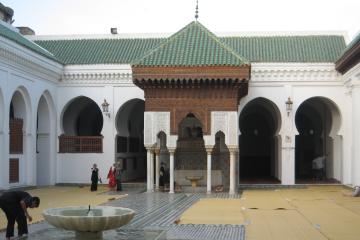
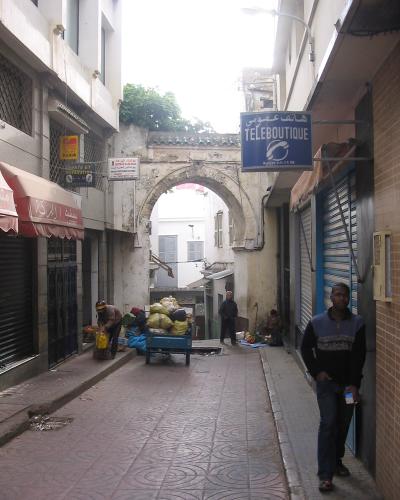
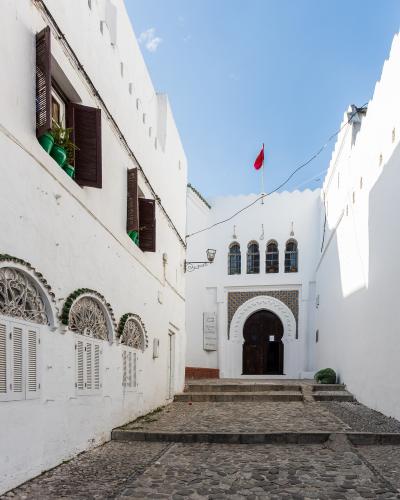
Key attractions begin in the old town. The Medina of Tangier is an ancient, well-preserved part of the city, a cultural bridge between Europe and Africa, with narrow lanes, small squares and steep stairways. The Kasbah, a fortified area with narrow streets and traditional houses, contains the Kasbah Museum, also known as Dar el Makhzen, a former sultan's palace whose collections trace regional history from ancient times. The Grand Socco and Petit Socco are central squares that serve as hubs of activity, surrounded by cafes and shops, and they are a good place to sit with mint tea and watch the town move.
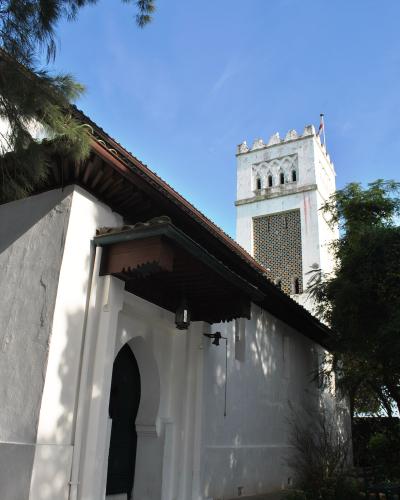
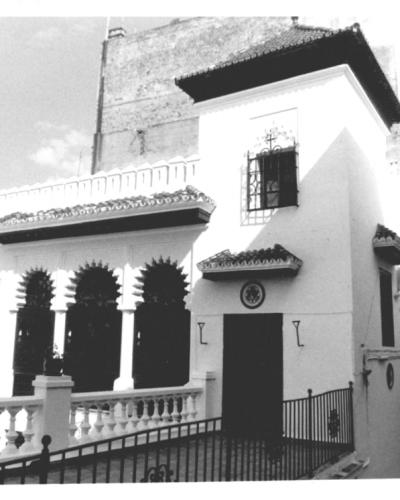
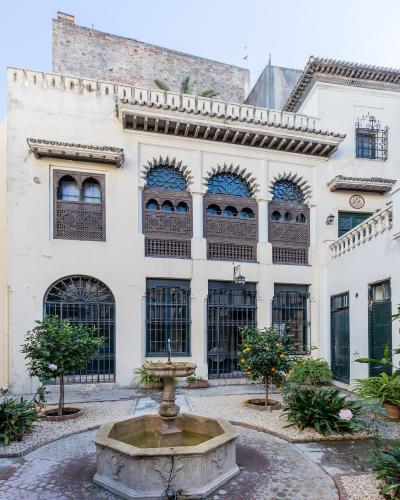
The Tangier American Legation Museum, home to the Tangier American Legation Institute for Moroccan Studies, is the oldest U.S. diplomatic property in the world, a building that Morocco gave to the United States in the 18th century, and it highlights the historic ties between the two nations. Nearby, St. Andrew's Church, consecrated in 1905, is an Anglican church whose cemetery and Moorish-style interior add another layer to the city's mixed heritage. Traditional cafés in the old town keep the literary memories alive, and many guests come specifically to sit where writers once did.
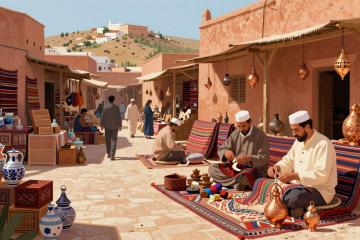
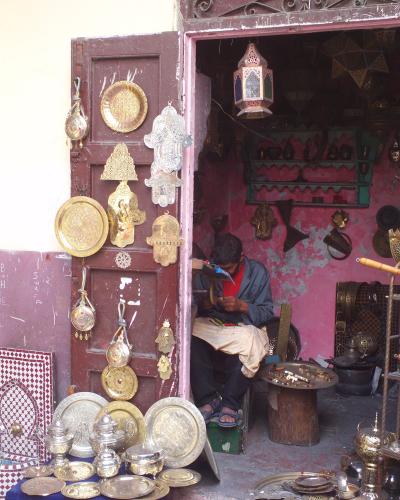
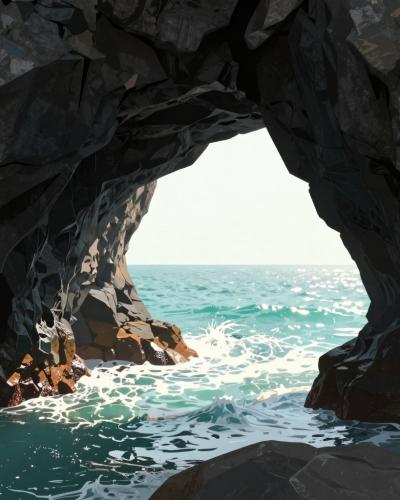
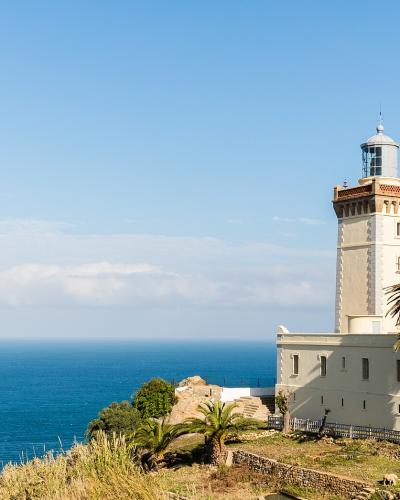
Outside the centre, the Cap Spartel lighthouse offers panoramic views of the strait, where the waters of the Mediterranean and Atlantic meet. A short drive from there, the Cave of Hercules, sometimes called the Hercules Caves, is a natural wonder with legends linking it to the mythological hero, and with an opening to the sea shaped, according to some visitors, like the map of Africa. Along the coast, beaches such as Malabata offer sand and cafés. The artisan shops of the medina and the Kasbah market sell leather goods, textiles, ceramics and brass, and the market is a good place to look for handmade items and compare prices.
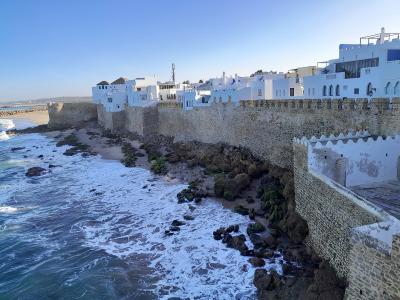
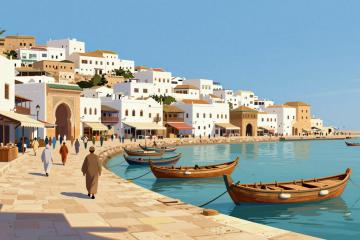
Activities in Tangier include exploring the medina, visiting art galleries, enjoying the beaches, and taking day trips to nearby towns like Asilah, a whitewashed seaside town known for its murals, or to Tetouan and Chefchaouen in the north. The city is well-connected by ferry from Spain (Tarifa) and by air via Tangier Ibn Battouta Airport, and a high-speed train links it to Rabat and Casablanca. The best time to visit is during the spring (April to June) or autumn (September to October) when the weather is mild and pleasant. Summer can be hot and humid, while winter may bring rain. Accommodation ranges from luxury hotels to traditional riads, catering to a wide range of visitors.
Best Time to Visit
Visit in spring or autumn for mild temperatures ideal for exploring the city and coastal areas comfortably.
Did you know?
Interesting, verified facts about Tangier
Inception Filmed in Tangier
Film & TVThe 2010 Christopher Nolan film Inception utilized Tangier as a filming location for its production.
Source: external sourceExplorer Ibn Battuta Born Here
Notable PersonThe famous 14th-century Moroccan explorer Ibn Battuta was born in Tangier.
Source: external sourcePlan Your Visit to Tangier
Essential travel tips and information for your trip to Tangier.
Suggested Itineraries
Extended Tangier Experience
3 days3-day Tangier itinerary covering medina, kasbah, and literary history
View ItineraryTravel Tips
Currency
MAD • Cards widely accepted
Language
Moroccan • English in tourist areas
WiFi
Free WiFi in cafes and hotels
Explore Tangier by Interest
Discover attractions and experiences in Tangier organized by your interests and travel preferences.
All attractions in Tangier
Sorted by our recommendation score
Quick Facts
Book your stay
Frequently Asked Questions
More destinations in Tangier-Tetouan
Explore other amazing places in the Tangier-Tetouan region