Meknes
Meknes: Imperial city with vast walls, gates, and Volubilis ruins
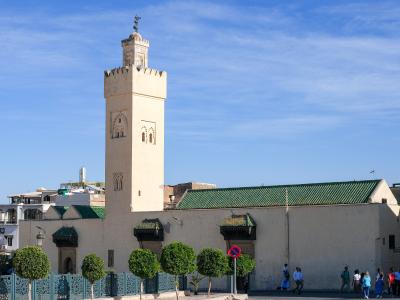
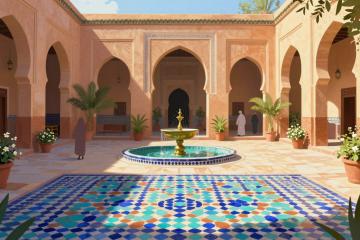
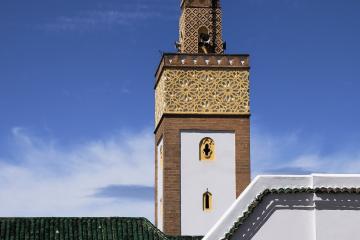
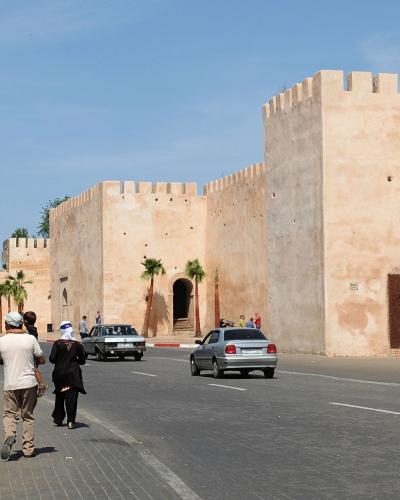
Meknes, founded in the 11th century by the Almoravids as a fortified settlement, rose to prominence in the late 17th century when Sultan Moulay Ismail made it his capital. He envisioned a city that would surpass all others in grandeur, and employed thousands of Christian prisoners and local labourers to construct massive fortifications, gates and infrastructure. The city's layout reflects this imperial ambition, with wide avenues and monumental structures that dominate the skyline. Although the capital moved away after his death, Meknes retained its importance as a regional centre and a symbol of Alaouite power, and the city grew again under the French in the 20th century. Its architecture is a mix of Islamic, French colonial and traditional Moroccan styles, reflecting this complex history.
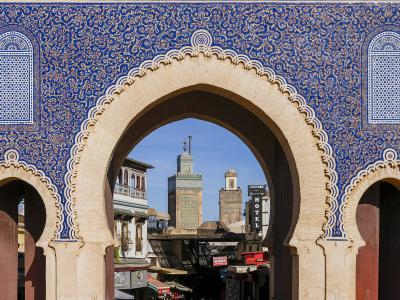
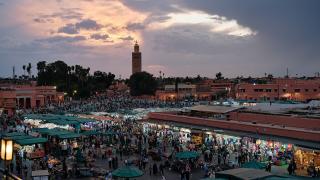
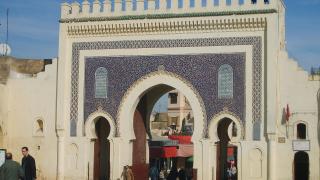
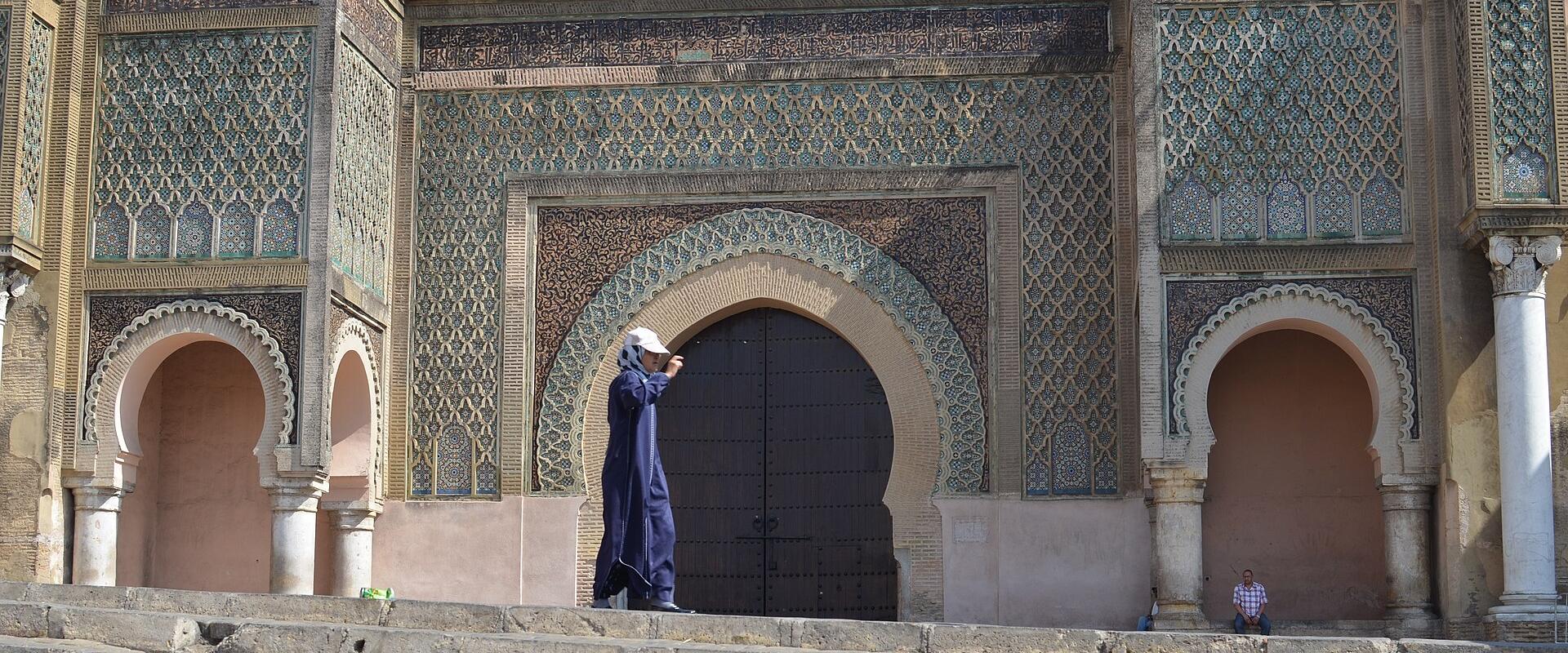
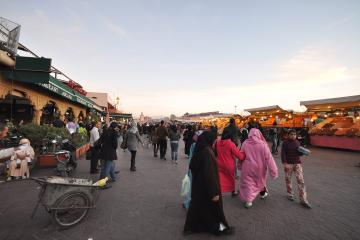
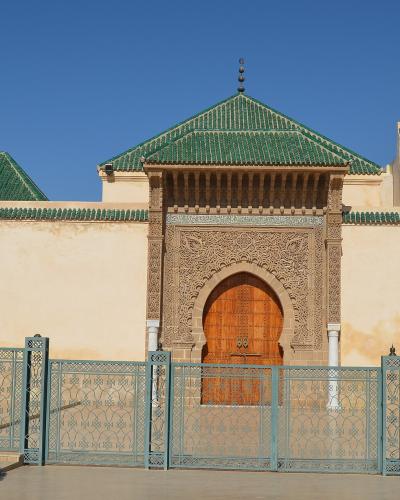
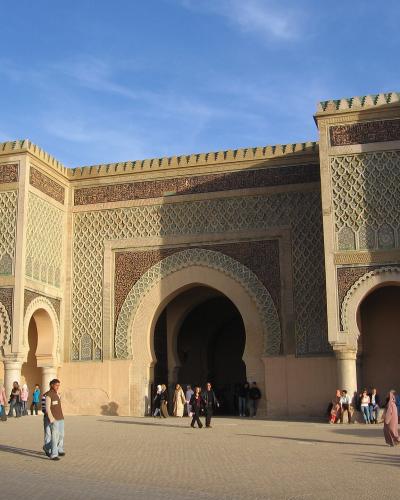
The medina, a UNESCO World Heritage site, is enclosed by high walls and accessed through several impressive gates, including the famous Bab Mansour al-Alj, which is considered one of the most beautiful gates in Morocco. The gate, completed in the early 18th century, is decorated with zellige tilework, carved cedar wood and columns taken from the Roman ruins at Volubilis. It faces Place el-Hedim, the main square, a lively space with cafés, restaurants and street entertainers, where locals and visitors gather in the evening.
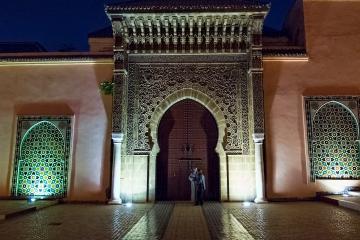
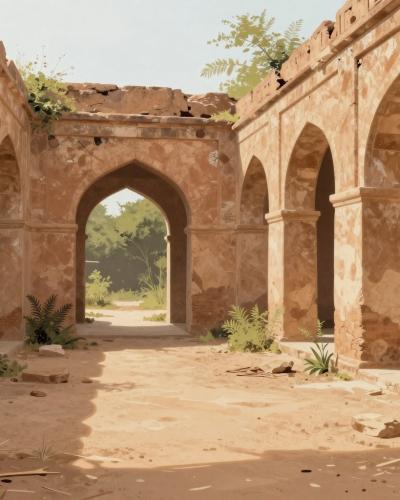
The main attractions in Meknes revolve around its imperial heritage. Nearby, the Heri es-Souani, also called the Royal Stables, and the Granaries of Ismail are vast structures that once stored grain and housed horses, showing the scale of Moulay Ismail's resources. Visitors can walk through the long, vaulted halls, and the large water reservoir beside them, the Agdal Basin, provided water for the gardens. The Mausoleum of Moulay Ismail, located within the medina, is a significant religious site. Its courtyards and antechambers are usually open to visitors, though non-Muslims are not permitted to enter the inner sanctum, and visitors should dress modestly and follow posted guidance. The Kasbah of Meknes, a vast palace complex and citadel, includes gardens, courtyards and ruins.
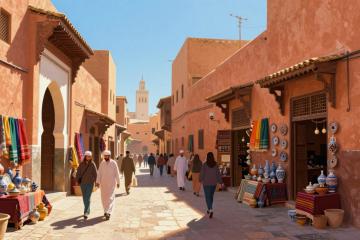
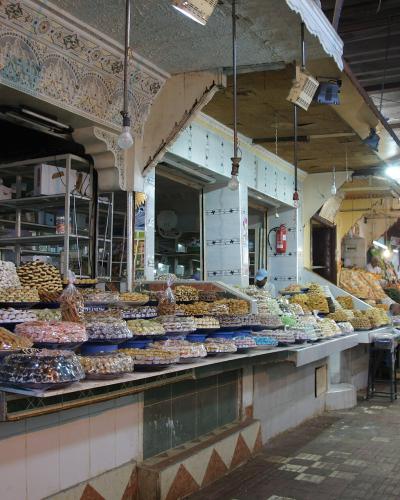
The medina itself is a labyrinth of narrow streets, souks and riads, offering a peaceful shopping experience where visitors can find traditional crafts, textiles and leather goods. Its tone is calmer than the souks of Fez and Marrakech, and shop owners are more willing to chat. The covered streets near the Great Mosque sell spices, olives, copper and embroidery, and the Dar Jamai Museum, in a 19th-century palace, displays decorative arts.
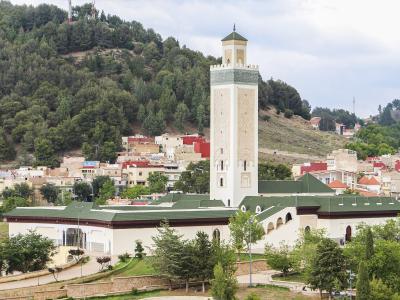
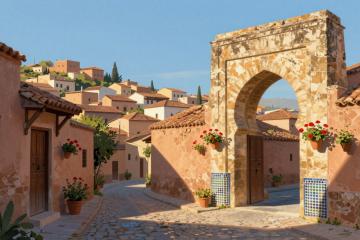
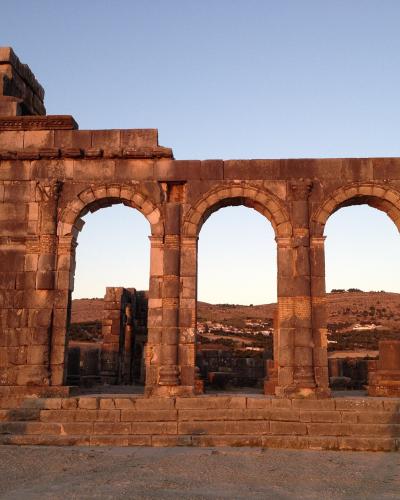
A short drive from Meknes is the Roman site of Volubilis, one of the best-preserved Roman ruins in North Africa. Designated a UNESCO World Heritage site, Volubilis features impressive mosaics, arches and basilicas that date back to the 2nd century AD and earlier, set on a plain among olive groves. The site gives an insight into Morocco's Roman past and rewards history enthusiasts. Other nearby attractions include the hillside town of Moulay Idriss Zerhoun, the birthplace of Morocco's first Islamic dynasty and a pilgrimage site, whose white houses spread over two hills. A farther excursion, to the Ziz Valley far to the southeast, is a long separate trip.
Activities in Meknes include exploring the medina, visiting the imperial monuments, and taking day trips to Volubilis and Moulay Idriss. Visitors can also enjoy traditional Moroccan cuisine in local restaurants, sampling dishes such as tagine and couscous, and try wine from the surrounding region. The city is also a good base for hiking in the nearby Middle Atlas Mountains.
Getting to Meknes is convenient via train from major cities like Casablanca, Fez and Rabat. The city is also accessible by bus and car. The best time to visit is during the spring (March to May) and autumn (September to November) when the weather is mild and pleasant. Summer can be hot, while winter is cool and rainy, so appropriate clothing is recommended. Accommodation ranges from riads in the medina to hotels in the new town.
Best Time to Visit
Visit in spring or autumn for mild weather ideal for exploring ruins and the medina.
Did you know?
Interesting, verified facts about Meknes
Meknes's Famous "Royal Stables" Are Really a Colossal Granary
HistoryThe Heri es-Souani, one of Meknes's most-visited monuments, is popularly called Sultan Moulay Ismail's royal stables — but the great arched building was actually an enormous grain warehouse, built during his reign (1672–1727) to stockpile enough supplies to survive a long siege. The silo structure measures 182 by 104 meters and is divided by 22 rows of massive arches, with walls thick enough to keep the interior naturally cool. The sultan's actual royal stables — reputedly big enough for 12,000 horses — were a separate structure further south at the edge of his imperial city, of which almost nothing survives today. So the "stables" most tours show you were really the sultan's siege-proof pantry.
Source: Wikipedia (Heri es-Swani)Plan Your Visit to Meknes
Essential travel tips and information for your trip to Meknes.
Suggested Itineraries
One Day in Meknes
1 dayPerfect for a quick visit. See the main highlights and get a taste of local culture.
Extended Meknes Experience
2-3 daysComprehensive exploration including nearby attractions and cultural experiences.
Travel Tips
Currency
MAD • Cards widely accepted
Language
Moroccan • English in tourist areas
WiFi
Free WiFi in cafes and hotels
Explore Meknes by Interest
Discover attractions and experiences in Meknes organized by your interests and travel preferences.
All attractions in Meknes
Sorted by our recommendation score
Quick Facts
Book your stay
Frequently Asked Questions
More destinations in Fes-Meknes
Explore other amazing places in the Fes-Meknes region