







- Where
- Essaouira, Marrakech-Safi
- Directions
- Directions
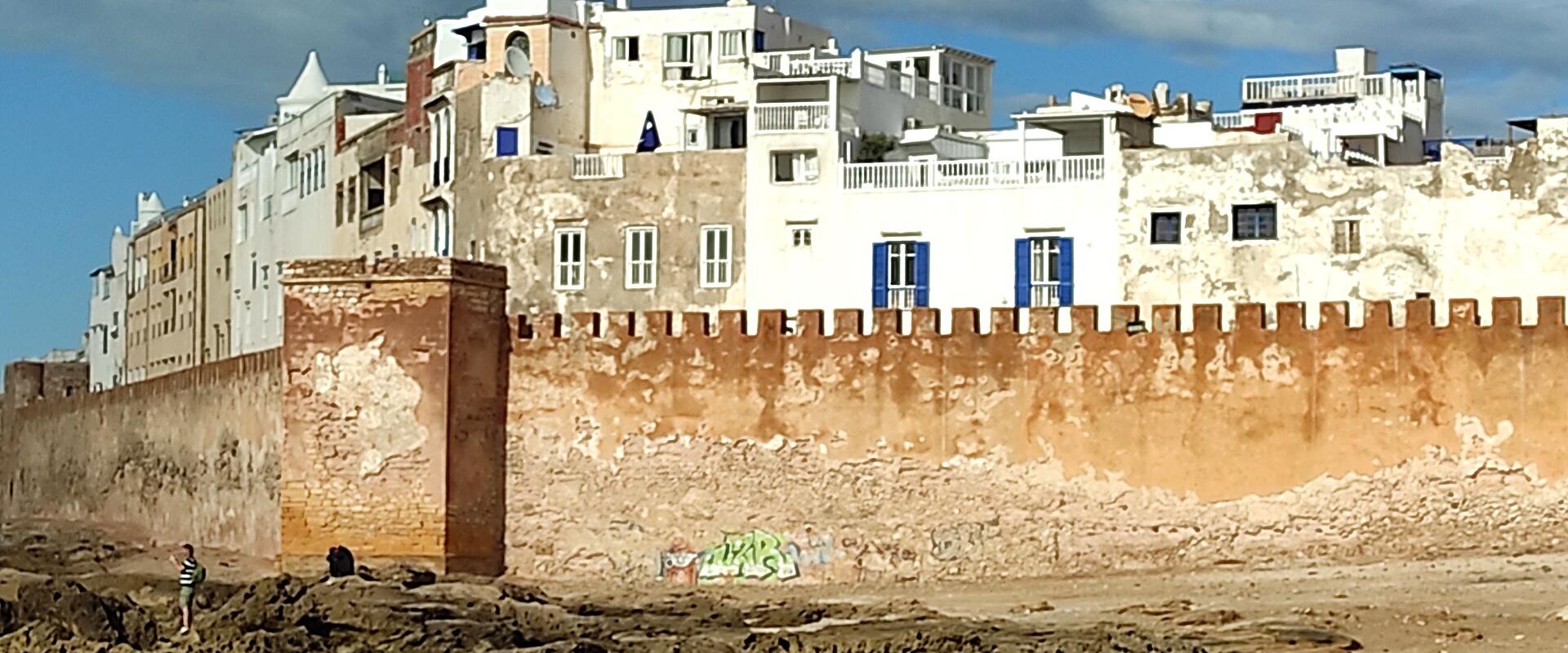
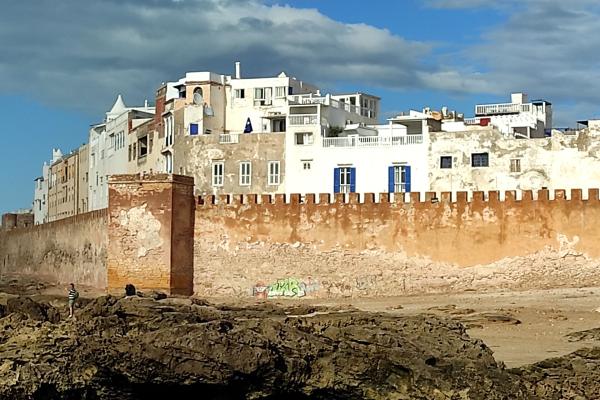
The Medina of Essaouira is one of the most distinctive old towns in Morocco, a compact fortified port on the Atlantic coast that was planned rather than allowed to grow haphazardly. It was inscribed as a UNESCO World Heritage Site in 2001, and its character is unlike that of the imperial cities, with straighter streets, a more open feel and a constant sea breeze. The reason lies in its origins. In the 1760s the Moroccan Sultan Sidi Mohamed Ben Abdallah decided to build a new port to channel the country's foreign trade through a single, controllable gateway, and he commissioned a design that drew on European military and urban planning, reportedly with the help of a French architect working in his service. The result was a walled town with a regular grid of lanes, strong sea ramparts and a layout intended to be easy to defend and to manage.
The site was not empty. Offshore islands here were known in antiquity for the production of purple dye, which the Romans prized, and the Roman-era workshops on the islands are among the earliest evidence of settlement. The Portuguese established a fort in the early sixteenth century, which they called Mogador, and the name stuck in European usage for centuries. The sultan's new town replaced it, and Essaouira, meaning the little picture, became a major trading port for gold, ivory, gum and other goods from the Sahara, with a cosmopolitan population that included Muslims, Jews, Christians and merchants from across the world. The Jewish community, in particular, played a central role in trade and finance, and the Mellah, the old Jewish quarter, is still part of the town.
Walking the medina is easy and pleasant. Streets are lined with whitewashed houses with blue shutters and doors, and arcades shelter small workshops. Craftsmen specialise in thuya wood, a fragrant, dense root wood that is carved and inlaid to make boxes, tables and decorative objects, and their tiny shops are among the town's best-known sights. Art galleries, jewellery shops, spice sellers and cafés fill the lanes, and shop owners are generally relaxed rather than pushy, so you can browse without pressure. At the harbour, fishermen unload their catch, and stalls grill sardines and fish for lunch, with seabirds wheeling overhead.
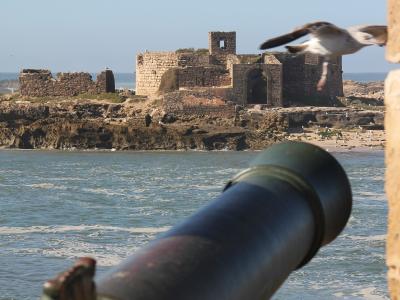
The ramparts and the harbour are best seen at sunset. The sea walls, lined with old cannons, look out toward islands and waves, and the sun sinks into the Atlantic in a blaze of colour. Outside the walls, a long beach offers swimming, windsurfing and kitesurfing, as the winds are strong for much of the year. In June, the town hosts a Gnawa music festival, when the medina fills with musicians and visitors.
Visitors should dress modestly in the medina and keep belongings secure. Just a day gives a taste, but two or three days allow time for slow walks, good food and the beach. Essaouira’s mix of planned order and relaxed charm makes it a favourite among travellers, and a refreshing contrast to the cities of the interior. It shows Morocco’s Atlantic face at its most inviting.
More photos coming soon
Nearby Attractions
Other places to visit in Essaouira
Questions people ask
Quick Facts
Best Time to Visit
Visit in spring or autumn for mild temperatures ideal for exploring the medina and coastal activities comfortably.