
Laâyoune
Regional capital in the rocky hamada desert
History
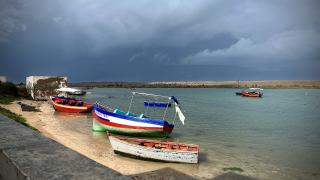
Laâyoune’s history is inextricably linked to its strategic position in the Western Sahara. Once a significant port under Spanish colonial rule, the city served as a key administrative center until 1975. The political landscape shifted dramatically with the "Green March" of that year, which sparked a complex conflict between Morocco and the Polisario Front over the territory’s sovereignty. Since 1991, UN-sponsored cease-fire talks have aimed to resolve the dispute, making Laâyoune a focal point of international diplomatic presence. This history is visible in the city’s architecture and social fabric, where remnants of Spanish colonial influence coexist with Moroccan administration and United Nations operations. The town’s evolution reflects the broader geopolitical tensions of the region, creating a unique atmosphere that is both resilient and politically charged.
Main Attractions
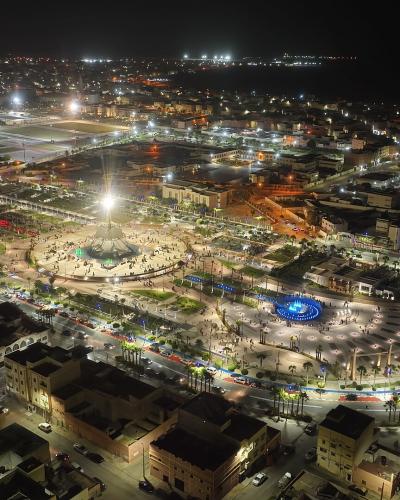
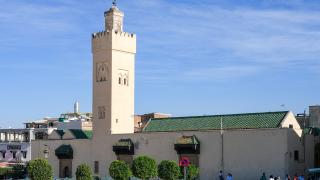
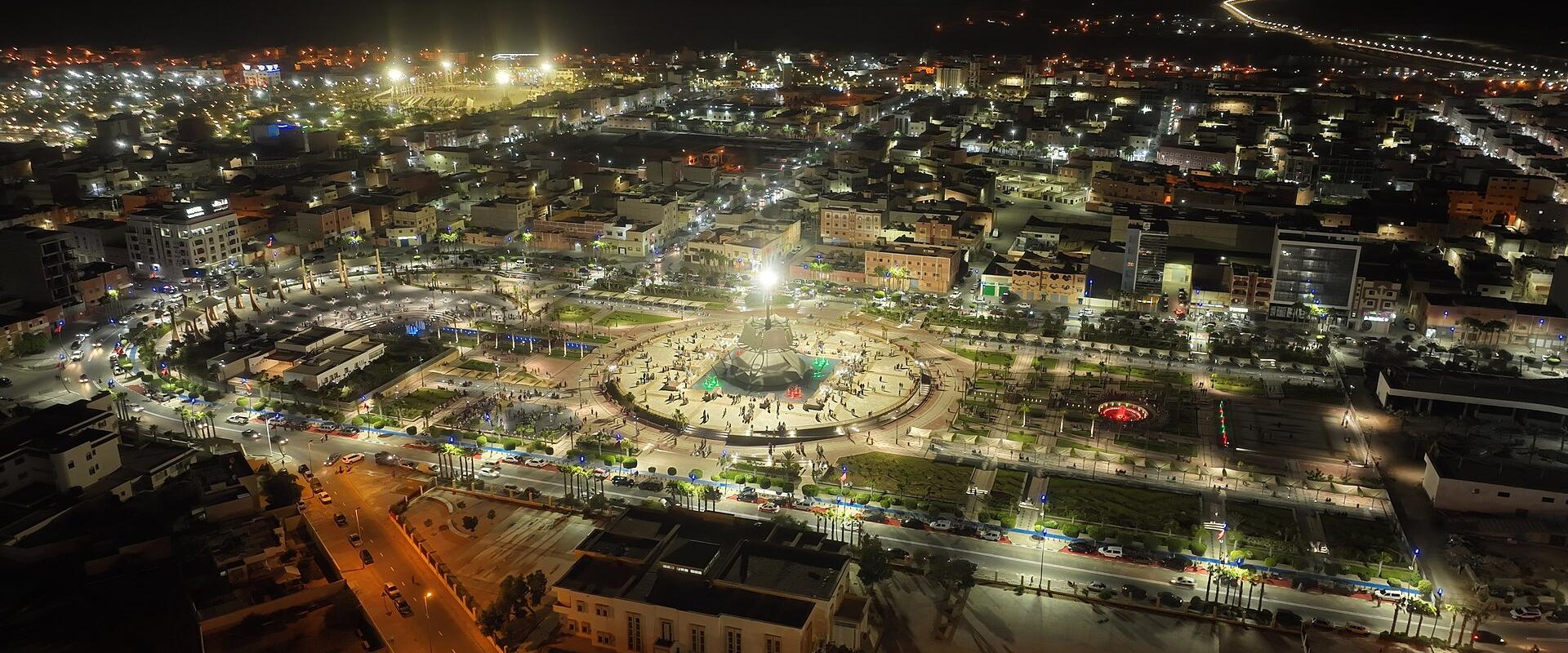
The central landmark of Laâyoune is Place du Mechouar, the main square where the community gathers for social interaction and cultural events. It is a hub of activity where locals watch football matches and engage in daily life, offering visitors a glimpse into the town’s social rhythm. Nearby stands a former Spanish colonial church, now repurposed to serve United Nations workers and local residents. This building stands as a physical reminder of the city’s colonial past and its current role in international peacekeeping efforts. Another notable site is the local aviary, which provides a quiet space to observe native bird species adapted to the arid environment. While the city lacks the dramatic dunes of other Sahara destinations, its attractions are rooted in its human history and the stark beauty of its surroundings.
Activities
Visitors to Laâyoune can engage in activities that highlight its role as a transit hub and cultural crossroads. The town serves as a primary stopover for travelers heading to Dakhla for kite surfing or continuing toward Mauritania. Exploring the local markets allows visitors to experience the local culture and interact with residents. Watching a football match at the local stadium offers insight into community spirit and leisure activities. For those interested in history, walking tours of the colonial-era buildings and the main square provide context to the region’s complex past. The surrounding hamada landscape, characterized by flat, rocky terrain, offers opportunities for photography and contemplation of the vast desert environment.
Getting There
Accessing Laâyoune requires planning due to its remote location. The most common method is by long-distance bus from Marrakech, a journey lasting approximately 16 hours, operated by companies such as CTM, Supratours, and SATAS. Alternatively, travelers can combine train travel with bus connections. For faster access, Royal Air Maroc offers daily flights from Casablanca to Laâyoune. From the city, connections to other destinations are available via grand taxis and buses. Tan Tan is reachable in about three hours, Goulmime in 6.5 hours, and Dakhla in nine hours. Ground transport often involves waiting for vehicles to fill with passengers, so flexibility is essential.
Best Time to Visit
The best time to visit Laâyoune is during the cooler months, from October to April. During this period, temperatures are more moderate, making outdoor exploration and transit more comfortable. Summer months can be extremely hot, with high temperatures that may hinder travel and outdoor activities. Spring and autumn offer a balance of mild weather and fewer crowds, ideal for those seeking to explore the city’s historical sites and surrounding desert landscapes. Planning a visit during these shoulder seasons ensures a more pleasant experience in this arid region.
Best Time to Visit
October to April offers mild temperatures ideal for exploring the desert landscape.
Plan Your Visit to Laâyoune
Essential travel tips and information for your trip to Laâyoune.
Suggested Itineraries
One Day in Laâyoune
1 dayPerfect for a quick visit. See the main highlights and get a taste of local culture.
Extended Laâyoune Experience
2-3 daysComprehensive exploration including nearby attractions and cultural experiences.
Travel Tips
Currency
MAD • Cards widely accepted
Language
Moroccan • English in tourist areas
WiFi
Free WiFi in cafes and hotels
Explore Laâyoune by Interest
Discover attractions and experiences in Laâyoune organized by your interests and travel preferences.
All attractions in Laâyoune
Sorted by our recommendation score