







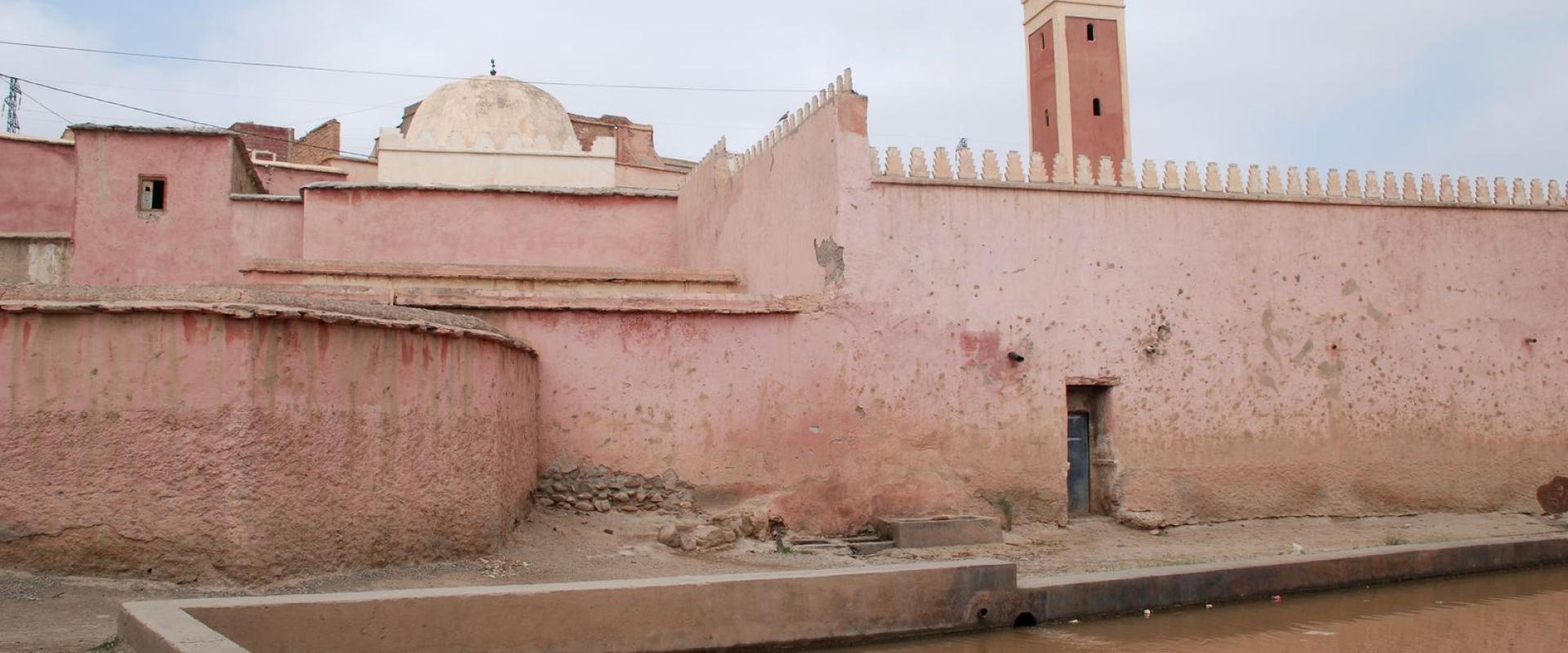
Lalla Takerkoust
Scenic reservoir and mountain retreat near Marrakech with Atlas views
Lalla Takerkoust is a recreational and landscape landmark in the Marrakech-Safi region of Morocco. The town takes its name from the Lalla Takerkoust Dam, a major reservoir created by damming the Oued N'Fis, a river that flows down from the High Atlas. The dam was built in the 1930s to regulate water for irrigation and for the supply of the plain around Marrakech, and it remains important for farming. The lake changes with the season and with rainfall, and in wet years the water reaches far up the valley, while after dry spells the shoreline retreats to reveal pale banks of stone and silt.
The reservoir is the primary attraction, offering a calm setting for relaxation and outdoor activities. The area has historically been used for agriculture and water management, supporting the surrounding communities, and small farms and orchards still line the approach. Today, it is a hub for leisure, particularly for those staying in Marrakech who want to enjoy the natural scenery of the Atlas Mountains foothills in a few hours. Water sports such as kayaking and pedal boating are offered by operators along the shore, and visitors can simply sit at the water's edge and watch birds and the changing colour of the water.
Several restaurants and cafés are located along the lakefront, offering traditional Moroccan cuisine such as tagines, grilled meats and salads, often on terraces with views across the water to the mountains. Mealtimes are generally unhurried, and a table with a lake view is the main reason many Marrakech residents drive out on Sundays. Picnics are also common on the quieter stretches of shore, provided visitors take their rubbish away.
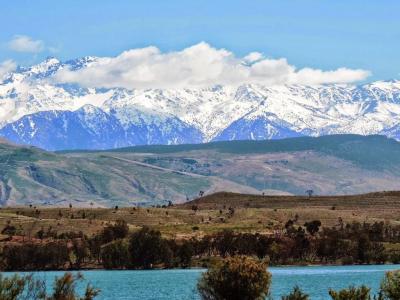
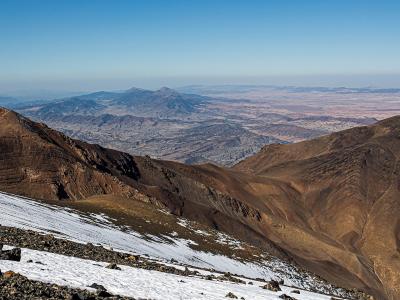
The surrounding landscape features rugged mountains and rocky terrain, giving good opportunities for hiking and photography. Walks start from the shore and climb onto low ridges, from where the lake and the high peaks can be seen together, and in clear winter weather snow often caps the highest summits. Local Amazigh villages in the foothills are reachable on foot or by car, and guides can arrange short village visits with a glass of mint tea.
The area is also a starting point for excursions to the Agafay Desert, known for its stony plains, quiet camps and desert safaris. Unlike the sand dunes of the deep south, Agafay is a rocky plateau, but the open horizons and sunsets draw many visitors. Activities in Lalla Takerkoust include hiking in the nearby mountains, visiting the reservoir and exploring the Agafay Desert. Quad biking and camel rides are popular in the nearby desert areas, and some camps arrange dinner and an overnight stay under the stars.
Getting to Lalla Takerkoust is easy by road from Marrakech, with taxis and organised excursions available, and the journey takes about 45 minutes to an hour. The best time to visit is spring, from March to May, or autumn, from September to November, when the weather is mild and pleasant. Summer can be extremely hot, while winter nights can be cold. Accommodation options are limited in the immediate vicinity, but there are many guesthouses and riads in Marrakech, and luxury camps in the Agafay Desert nearby.
Best time to visit
Visit in spring or autumn for mild temperatures ideal for outdoor activities and enjoying the lake views comfortably.
What to see in Lalla Takerkoust
Our picks first.
Lalla Takerkoust by interest
The same sights, grouped by what you came for.
Planning a visit to Lalla Takerkoust
Itineraries that include Lalla Takerkoust
Good to know
- Currency
- MAD
- Language
- Arabic
Quick Facts
Book your stay
Questions people ask
More places in Marrakech-Safi
Marrakech-Safi
Marrakech
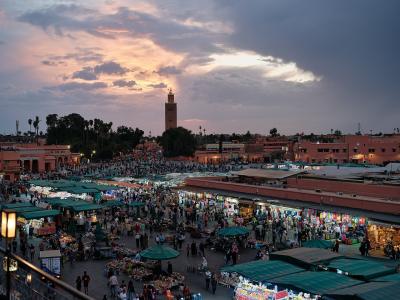
Marrakech: Imperial Red City with souks, gardens, and Atlas views
Marrakech-Safi
Essaouira
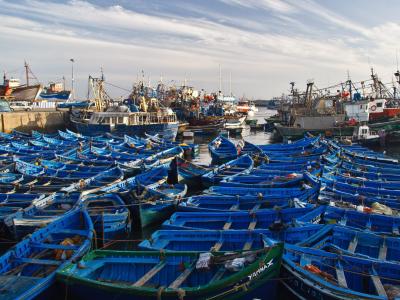
UNESCO-listed coastal medina with strong Atlantic winds and Portuguese history
Marrakech-Safi
Atlas Mountains
Major mountain range in North Africa separating Sahara from coast
Marrakech-Safi
Imlil
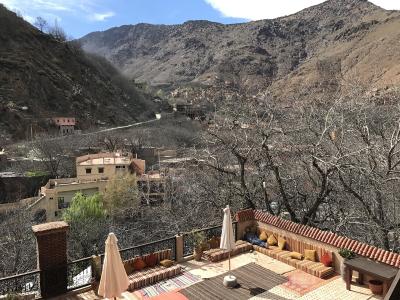
High Atlas mountain village and gateway to Mount Toubkal