
Aït Benhaddou Cultural Heritage
UNESCO Ksar exploration with overnight stay
2 days
•
Moderate difficulty
•
Est. MAD 90
Day 1: Arrival and Sunset at the Ksar
Arrive in Aït Benhaddou, check into accommodation, and explore the UNESCO-listed Ksar during the golden hour to avoid midday heat and crowds. Focus on the exterior views and the main entrance.
-
14:00
Arrival and Check-in
Drive from Ouarzazate or Marrakech to Aït Benhaddou. Check into your hotel, preferably one with a view of the ksar (e.g., Dar Mouna La Source) to secure a prime spot for sunset.
-
15:30
Ksar of Ait Benhaddou Exterior Walk
Walk around the base of the fortified village. Admire the mudbrick architecture and the defensive walls. This is the best time for photography before the sun sets.
-
17:00
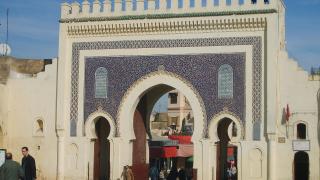
The Main Gate (Bab El Hadid)
Enter through the historic iron gate. Observe the layout of the ksar and the steep pathways leading up to the Kasbah. Enjoy the cooler evening air.
-
18:00
Kasbah of Tighremt Oufella and Granary Tower
Climb to the upper Kasbah of Tighremt Oufella for panoramic views. Visit the Granary Tower (Ammar) to understand the storage systems of the ancient trade route.
-
19:30
Sunset Viewing
Return to your hotel terrace or a nearby viewpoint to watch the sunset. The red clay walls glow dramatically in the fading light.
Meals:
Lunch at Local Cafe near Ouarzazate or en route , Dinner at Hotel Restaurant or Local Tagine House
Where to stay: Stay overnight in Aït Benhaddou. Recommended: Dar Mouna La Source or Kasbah Hotel for views. Booking in advance is essential.
Getting around: Car or private driver recommended from major hubs. Parking is available just outside the ksar.
Day 2: Cultural Immersion and Local Souk
Explore the interior of the ksar early in the morning to avoid crowds. Visit a traditional Berber house, explore the local souk, and reflect on the site's history as a film set and trade hub.
-
08:00
Traditional Berber House Tours
Enter the ksar early when it is quiet. Visit a restored traditional Berber house to see interior architecture, living quarters, and hear stories from local guides.
-
09:30
Kasbah of Ait Benhaddou Interior
Explore the narrow alleyways and the main Kasbah structure. Learn about the defensive mechanisms and the communal living spaces.
-
10:30
Local Souk Area
Browse the small souk area at the base of the ksar. Purchase local crafts, argan oil, spices, and souvenirs. Negotiate prices politely.
-
12:00
Coffee and Reflection
Enjoy mint tea at a local cafe with a view of the ksar. Reflect on the 'slow reading' of the heritage site.
-
13:00
Final Photo Session and Departure Prep
Take final photos of the iconic skyline before packing up for departure to Ouarzazate or the next destination.
Meals:
Breakfast at Hotel Breakfast , Lunch at Local Restaurant in Aït Benhaddou
Where to stay: Check out and depart. If extending stay, consider nearby Kasbah Amridil.
Getting around: Arrange transport for departure. If driving yourself, ensure vehicle is ready for long drives.
Practical Information
For a meaningful experience of Aït Benhaddou, timing is critical. The best months to visit are spring (March to May) and autumn (September to November), when temperatures are mild and suitable for walking. Summer months can be excessively hot, making exploration uncomfortable, while winter nights can be surprisingly cold. To avoid the largest crowds, aim to arrive early in the morning before tour buses from Ouarzazate or Marrakech arrive, or stay overnight to return in the late afternoon when the light softens and visitors disperse. This "slow travel" approach allows for a deeper appreciation of the UNESCO-listed ksar’s architecture and history without the rush.
Reaching Aït Benhaddou typically involves traveling from Marrakech or Ouarzazate. The most flexible option is hiring a private driver or joining a small-group tour, as public transport is limited and often requires multiple transfers. Once in the village, the ksar itself is compact and best explored on foot. However, the surrounding area, including nearby film studios and the riverbed, may require short walks or local transport. Parking is available just outside the main entrance, but staying within the ksar limits vehicle access, so be prepared to carry luggage through the narrow, uneven pathways.
Accommodation significantly impacts the quality of the visit. Staying at a hotel facing the ksar, such as Dar Mouna La Source, is highly recommended. This strategy allows you to explore the site before the day-trippers arrive and return during quieter evening hours. While options range from basic guesthouses to luxury riads, booking in advance is essential during peak seasons. Budget-wise, costs vary widely; independent travelers should account for accommodation, meals, and potential guide fees. Entrance to the ksar is free, but hiring a local guide enhances understanding of the cultural heritage.
Pack lightweight, breathable clothing for daytime heat, but include layers for cool mornings and evenings. Comfortable, sturdy walking shoes are mandatory due to the uneven, sandy terrain and steep steps within the ksar. Bring a hat, sunglasses, and high-SPF sunscreen, as shade is limited. A reusable water bottle is essential for staying hydrated. Finally, carry small amounts of local currency for tips, souvenirs, and small purchases, as card acceptance is not universal in the village. Respect local customs by dressing modestly and asking permission before photographing residents.