

Agadir Cultural Heritage
2-day cultural heritage tour of Agadir
2 days
•
Moderate difficulty
•
Est. MAD 160
Day 1: Historic Heart & Cultural Immersion
Explore the modern history of Agadir, from the 1960 earthquake's legacy to the vibrant local culture in the souks and the panoramic views from the Kasbah.
-
09:00
Agadir Museum
Start your cultural journey at the museum dedicated to the 1960 earthquake. Learn about the city's reconstruction and its transformation into a modern resort, gaining essential context for the city's layout.
-
10:30
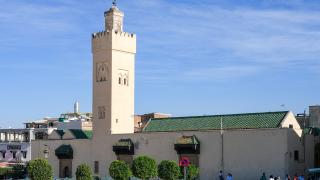
Mosque of Agadir
Visit the largest mosque in Agadir, built in 1960. Observe the distinctive architectural style and the serene atmosphere of this central religious site.
-
11:00
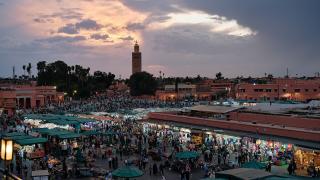
Souk El Had
Navigate North Africa's largest urban market. Rebuilt after the earthquake, this vibrant souk offers spices, textiles, and traditional crafts. Bargaining is expected.
-
13:00
Lunch in the Medina
Enjoy a traditional tagine or fresh seafood at a local restaurant near the Souk. Try local specialties like pastilla or grilled sardines.
-
14:30
Transfer to Kasbah
Take a taxi or walk uphill to the Kasbah area for panoramic views.
-
14:45
Kasbah of Agadir
Visit the 16th-century fortress ruins. Although damaged in the 1960 earthquake, the site offers the best panoramic views of the city, the bay, and the Atlantic Ocean.
-
16:30
Agadir Beach Promenade
Stroll along the 10km Atlantic beach. Enjoy the fresh sea air and watch the surfers before heading to the marina.
-
17:30
Marina d'Agadir
Relax at the 291-berth marina. Enjoy the sunset views, browse the shops, and soak in the modern resort atmosphere.
Meals:
Lunch at Near Souk El Had , Dinner at Marina d'Agadir
Where to stay: Stay in the city center or near the Marina for easy access to evening activities.
Getting around: Use petit taxis for short distances between the Souk, Kasbah, and Marina. Walking is feasible for the beach promenade.
Day 2: Argan Heritage & Coastal Villages
Venture outside the city to explore the UNESCO Biosphere Reserve, traditional Amazigh villages, and the relaxed surf culture of the northern coast.
-
08:30
Drive to Ida Ou Tanane
Depart Agadir towards the Argan Forests. This drive offers a glimpse of the rural Souss-Massa landscape.
-
09:00
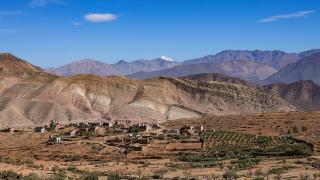
Argan Forests & Limestone Canyons
Explore the UNESCO Biosphere Reserve. Visit a cooperative to learn about argan oil production and hike through the unique limestone canyons of Ida-Ou-Tanane.
-
12:00
Rural Lunch
Enjoy a traditional Berber lunch at a local farmhouse or cooperative restaurant in the village of Ida Ou Tanane.
-
13:30
Terraced Villages
Visit a traditional Amazigh village. Observe the terraced agriculture and learn about the local way of life amidst argan forests.
-
15:00
Drive to Tamraght
Head north along the coast to the surf village of Tamraght.
-
15:30
Tamraght Village
Experience the relaxed Atlantic vibe of this authentic surf village. Walk the beach, watch the surfers, and enjoy the bohemian atmosphere.
-
17:30
Pointe Souira
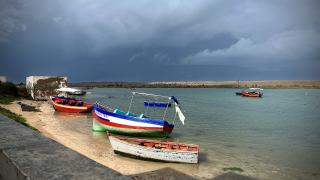
Return towards Agadir and stop at Pointe Souira, a historic fishing port and natural harbor. Watch the fishermen bring in their catch.
Meals:
Lunch at Ida Ou Tanane Village , Dinner at Tamraght or Agadir Center
Where to stay: Same accommodation as Day 1.
Getting around: A private car or organized tour is highly recommended for Day 2 to access the Argan forests and villages efficiently. Taxis are available for the Tamraght leg if returning to Agadir.
Practical Information
Agadir offers a mild, Mediterranean climate year-round, making it a viable destination for most of the year. However, the optimal periods for cultural exploration are spring (March to May) and autumn (September to November). During these months, daytime temperatures typically range from 20°C to 25°C, providing comfortable conditions for walking through the souks and visiting outdoor historical sites without the intense heat of summer or the cooler evenings of winter. While the city is a popular beach resort, the Atlantic waters remain cool, so swimming is generally best from June through September. If you plan to visit the Kasbah or hike to the Oufella viewpoint, avoiding the peak summer heat will significantly enhance your experience.
Getting to Agadir is straightforward via Agadir-Al Massira Airport (AGA), which has regular connections to major European cities and domestic flights from Casablanca and Rabat. From the airport, taxis are readily available, though it is advisable to agree on a fare beforehand or use the official petit taxi service within the city. Agadir is compact and walkable, particularly along the Corniche and around the central Medina. For areas further out, such as the Kasbah or the marina, taxis are the most efficient and affordable mode of transport. Public buses exist but may be less convenient for tourists unfamiliar with the routes.
For accommodation, the Marina district offers modern amenities and proximity to restaurants, while the Medina provides an authentic atmosphere closer to the souks and cultural sites. Budget-conscious travelers can find affordable riads and guesthouses in the old town, whereas those seeking luxury may prefer beachfront hotels in the newer parts of the city.
Budgeting for a two-day stay should account for mid-range accommodation, local meals, and entrance fees. The souk is free to browse, but bargaining is expected for goods like argan oil and textiles. The cable car to the Kasbah has a modest fee, and museum entries are generally inexpensive. Pack light, breathable clothing for daytime, a light jacket for evening breezes, and comfortable walking shoes for navigating the uneven streets of the Medina. Sunscreen and a hat are essential due to strong UV exposure. Always carry small amounts of Moroccan Dirhams for small purchases and tips, as credit cards are not universally accepted in the souk. Respect local customs by dressing modestly when visiting religious sites or traditional neighborhoods, and always ask permission before photographing locals.