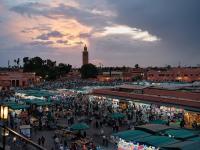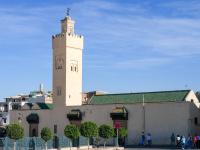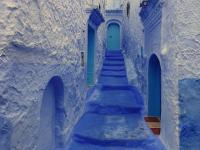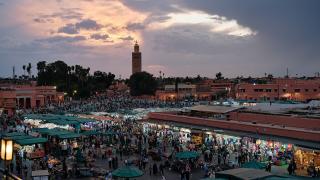
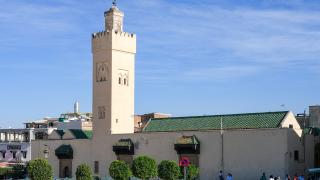


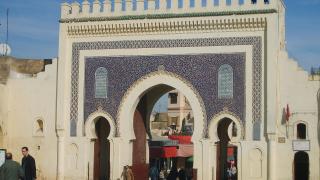


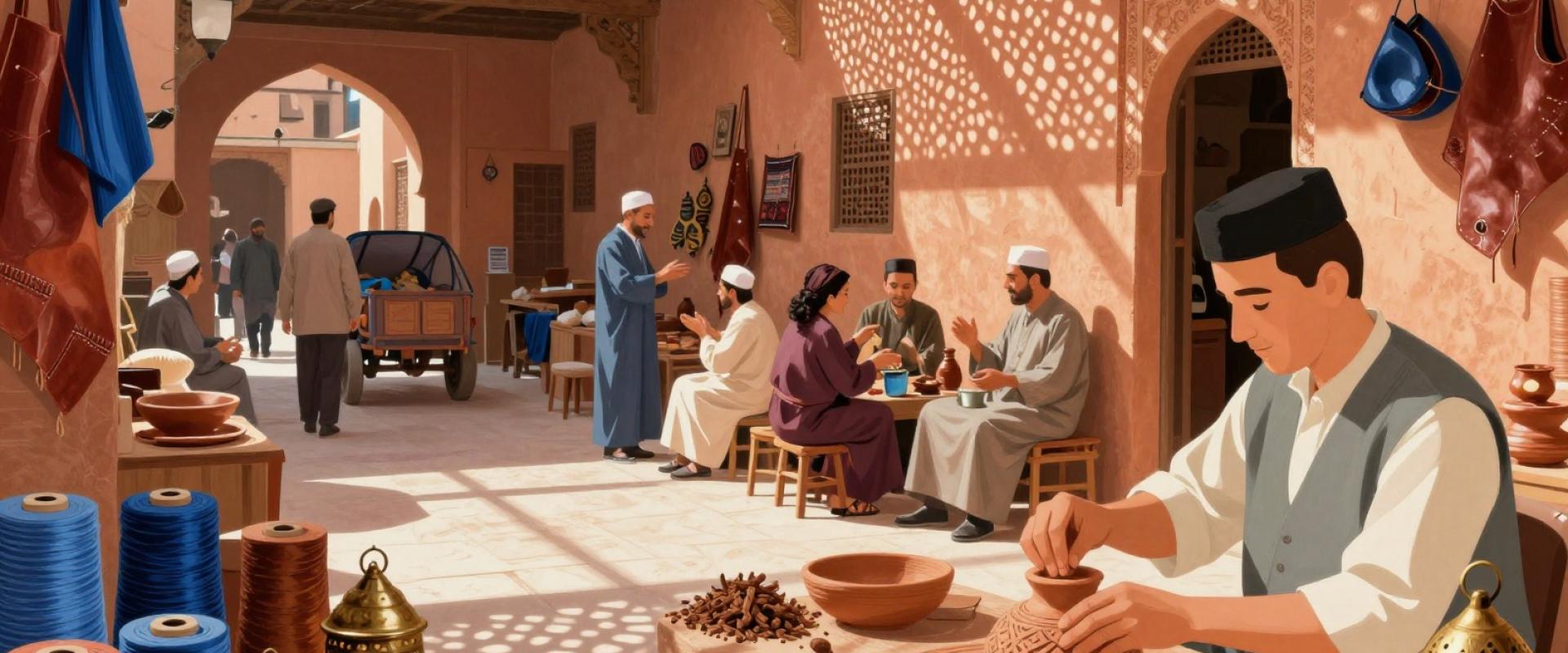
Moroccan medinas are car-free zones. Their narrow streets form a complex maze. Orientation requires careful attention. Souks organize vendors by specific trades. You will find distinct sections for leather, metalwork, and textiles. Marrakech, Fes, and Essaouira offer unique artisan experiences. Fes features zellige masters chiseling 10,000-piece mosaics. Essaouira woodworkers carve aromatic thuya burl. These workshops allow you to watch artisans at work. Navigation demands situational awareness. Pickpockets operate in crowded souk areas. Keep valuables secure and out of sight. Wear comfortable footwear for walking on uneven stone paths. The layout can be disorienting for first-time visitors. Use landmarks to maintain your bearings. Ask shopkeepers for directions if you become lost. Haggling is expected in most souk transactions. Research fair prices for items like argan oil and carpets. This knowledge prevents overpaying for goods. Stay alert while browsing intricate rugs and ceramics. The sensory overload is intense. Focus on your route to avoid getting lost. Respect local customs when entering workshops. Photography may require permission from artisans. Keep your pace steady and deliberate. The medina rewards patience and observation. Avoid rushing through the narrow alleys. Take time to appreciate the craftsmanship. This approach ensures a safer and more enjoyable experience. You will navigate the labyrinth with greater confidence.
Identifying Authentic Artisanal Goods
Verify Moroccan crafts through specific sensory checks. Authenticity requires direct inspection of materials and origins. Focus on these key indicators for major traditional goods.
Zellige Tiles
- Hand-cut tiles show slight size variations.
- Imperfections in the edges indicate manual chiseling.
- Machine-made tiles possess uniform, perfect straight lines.
- Inspect the back for rough, unpolished surfaces.
- Fes remains the primary center for this craft.
Leather Goods
- Genuine leather emits a distinct, natural scent.
- Chemical odors signal synthetic or treated materials.
- Touch the surface for natural grain texture.
- Avoid items with overly uniform, plastic-like finishes.
- Marrakech souks offer extensive leather workshops for viewing.
Textiles and Rugs
- Authentic Berber rugs use natural wool fibers.
- Look for irregular weaves and slight asymmetries.
- Perfect geometric symmetry often indicates machine production.
- Check for natural dye variations in the colors.
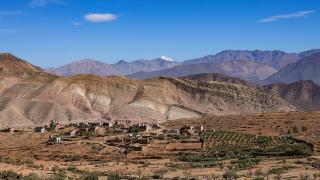
- Atlas Mountain regions produce many high-quality wool rugs.
Argan Oil
- Pure oil must be cold-pressed and certified.
- Cosmetic grade differs from culinary grade oil.
- Check for official certification labels on bottles.
- Avoid products with added synthetic fragrances or oils.
- Essaouira is a major hub for argan cooperatives.
Always purchase from established cooperatives or reputable souk vendors. Request to see the production process when possible. Direct observation confirms the handmade nature of the item.
Mastering the Art of Haggling
Haggling is a social norm in Moroccan souks, not rudeness. It is an expected interaction in markets like those in Marrakech, Fes, and Essaouira. You must engage in negotiation to secure fair prices for crafts. Start by offering approximately 50% of the initial asking price. This establishes a baseline for serious discussion. Remain polite and maintain eye contact throughout the process. Be prepared to walk away if the price remains too high. Vendors often call you back with a better offer. This tactic usually secures the best possible deal for your purchase. However, respect fixed-price stores. Do not attempt to haggle in these establishments. Avoid haggling over small items like spices or trinkets. These low-cost goods often have minimal margin for negotiation. Focus your efforts on high-value items like leather goods, rugs, and zellige tiles. These artisanal products require significant labor and material costs. Fair prices reflect the quality of handcrafted work. Research typical costs for argan oil and woodwork beforehand. Knowledge empowers you to recognize reasonable offers. Always verify authenticity through sensory checks before finalizing a sale. This ensures you receive genuine traditional crafts. Negotiation concludes when both parties agree on a final sum. This process supports local artisans and preserves cultural heritage.
Supporting Ethical Cooperatives
Prioritize women’s cooperatives and artisan workshops in Morocco. These entities ensure fair profit distribution for local communities. Transparency in production methods is essential for ethical consumption. Verify authenticity by observing artisans at work directly. Watch Fes zellige masters chisel 10,000-piece mosaics. Observe Essaouira woodworkers carving aromatic thuya burl. Direct observation confirms the handmade nature of goods. Avoid shops selling imported goods as local items. Such practices undermine local artisan economies significantly. Seek out specific regions known for ethical trade. Marrakech, Fes, and Essaouira offer distinct craft traditions. Navigate souks with clear intent to support locals. Fair prices for leather, carpets, and argan oil matter. Haggling should reflect respect for labor value. Do not accept mass-produced substitutes as authentic crafts. Ethical shopping requires active verification of origins. Support structures that empower marginalized groups directly. Women’s cooperatives often provide stable income sources. These groups reinvest profits into community development. Look for clear labeling on product origins. Ensure your purchase directly benefits the maker. This approach sustains living craft traditions effectively. Avoid intermediaries who take large profit margins. Buy directly from the workshop when possible. This guarantees artisans receive the majority of earnings. Ethical tourism strengthens Morocco’s cultural heritage preservation. Your spending choices influence local economic stability. Choose transparency over convenience in every transaction.
Logistics and Customs Regulations
Transport fragile Moroccan crafts using professional packing materials. Zellige tiles and ceramic pieces require rigid boxes. Wrap each item individually in bubble wrap. Secure rugs in vacuum-sealed bags to reduce volume. Keep all purchase receipts and authenticity certificates. Customs officials require proof of origin for high-value items. Moroccan artisan workshops provide detailed invoices for carpets and leather goods. Check your home country’s import limits before departure. Many nations restrict large textile imports or impose high duties. Verify specific duty rates for ceramics and woodwork. Avoid purchasing items made from protected or unsustainable materials. Moroccan thuya wood is regulated due to conservation efforts. Ensure argan oil products comply with agricultural import laws. Declare all goods accurately upon returning home. Undeclared items may face seizure or heavy fines. Plan logistics for heavy items like brass lanterns early. Shipping costs often exceed the item's retail price. Consider local courier services for direct home delivery. This avoids personal baggage weight restrictions entirely. Verify that wooden carvings are free of pests. Customs agencies strictly enforce biosecurity regulations on natural materials. Proper documentation ensures smooth clearance through international borders.