Climate Zones Overview
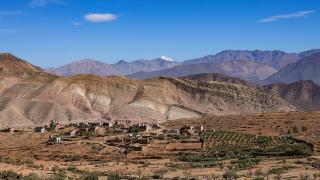
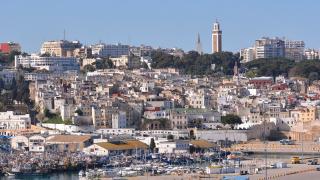
Morocco features four distinct climate zones. This diversity requires tailored travel planning. The Mediterranean coast enjoys mild, wet winters. Summers remain warm and dry along the Atlantic. Inland plateaus experience semi-arid conditions. Temperatures fluctuate significantly between day and night. The Atlas Mountains offer an alpine climate. Snow covers peaks during winter months. Hiking requires appropriate gear in high altitudes. The Sahara Desert dominates the southeast. Arid conditions prevail with extreme heat. Daytime temperatures often exceed 40°C. Nights drop sharply after sunset. These zones impact multi-destination itineraries heavily. Travelers must adjust clothing for each region. Coastal cities like Casablanca differ from Marrakech. Desert excursions need specific seasonal timing. Spring and autumn offer balanced weather. Summer suits coastal visits best. Winter is ideal for desert travel. Avoid peak heat in inland areas. Plan routes based on regional forecasts. Weather changes rapidly in mountain passes. Check local conditions before long drives. Morocco’s geography creates microclimates frequently. One size does not fit all. Understanding these zones ensures a safer trip. Proper preparation enhances the overall experience significantly.
Spring and Autumn Windows
Spring offers ideal conditions for city tours in Marrakech and Fes. Temperatures range from 20°C to 25°C. This avoids the intense summer heat. Northern regions may experience occasional rainfall. Pack a light rain jacket for these events. Mountain hiking in the Atlas range becomes accessible. Snow melts by late April. Trails in the High Atlas are clear. Autumn provides superior desert travel conditions. Sahara temperatures drop to comfortable levels. Daytime highs reach 30°C. Nights cool significantly. This contrast suits camel trekking. Crowd density decreases after August. You find quieter sites in imperial cities. September and October are optimal months. Spring blooms attract photographers to the valleys. Autumn harvests offer cultural insights. Both seasons balance comfort and activity. Avoid July and August for inland travel. Heat limits outdoor exploration. Plan spring visits before May. Autumn trips work well through November. These windows maximize sightseeing efficiency. Weather stability ensures reliable itineraries. Book accommodations early for these peaks. Prices remain moderate compared to winter holidays.
Summer Heat and Desert Risks
Inland cities like Marrakech exceed 40°C in July. High heat poses serious health risks during midday hours. The Sahara Desert becomes dangerously hot for travel. Daytime temperatures often surpass 45°C in Merzouga. Nighttime drops are insufficient to provide relief. Coastal areas offer significant cooling benefits. Essaouira benefits from consistent Atlantic winds. Average summer highs remain near 25°C. Agadir provides similar mild coastal conditions. Mountain refuges in the Atlas range stay cooler. Trekking is feasible at higher elevations. However, heat mitigation remains essential everywhere. Drink ample water to prevent dehydration. Wear light, breathable clothing for protection. Avoid strenuous activity between noon and 4 PM. Plan indoor visits during peak heat. Summer travel requires strict preparation. Prioritize hydration and shade constantly. Coastal and mountain alternatives reduce heat exposure. Desert excursions should be avoided in July. Safety depends on respecting extreme temperatures.
Winter Rain and Mountain Snow
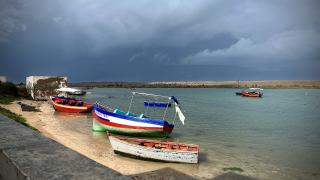
December through February brings distinct weather patterns across Morocco. Northern regions experience significant rainfall. This wet season can disrupt travel plans in cities like Tangier. Roads may become slippery and muddy. Travelers should expect delays during heavy storms. Meanwhile, the High Atlas Mountains receive substantial snowfall. Major mountain passes often close to traffic. Check road conditions before driving through the Atlas. Skiing becomes possible at stations like Oukaïmeden. This offers a unique winter activity in North Africa. Conversely, the Sahara Desert remains pleasant. Daytime temperatures stay mild and comfortable. Nighttime drops significantly, requiring warm layers. Pack waterproof gear for the north. Bring insulated clothing for mountain excursions. Heating is not universal in rural riads. Verify accommodation heating options in advance. Layered clothing is essential for variable conditions. This approach ensures comfort across diverse climates. Winter travel requires flexibility and preparation. Monitor weather forecasts closely before departure.
Packing and Gear Essentials
Pack breathable cotton or linen for daytime heat in Marrakech and Fes. These fabrics allow air circulation during summer months. Bring warm layers for winter travel in the Atlas Mountains. Temperatures drop significantly at high altitudes after sunset. Include windproof gear for Sahara Desert nights. Sandstorms and cold winds are common in dune areas. Choose sturdy hiking boots for varied terrain. Rocky paths in the Rif Mountains require ankle support. Apply essential sun protection items daily. The Moroccan sun is intense year-round. Pack high-SPF sunscreen and wide-brimmed hats. Sunglasses with UV protection are mandatory. Carry a reusable water bottle for hydration. Refill stations are available in major cities. Avoid plastic waste in rural areas. Layering is key for temperature shifts. Mornings can be cool even in summer. Evenings cool down rapidly in desert regions. Check specific regional forecasts before departure. Weather patterns vary between coast and inland. Coastal areas remain milder than the interior. Prepare for sudden rain in northern regions. A compact rain jacket is advisable. Pack light, versatile clothing for easy washing. Laundry services are widely available in cities. This reduces the need for excessive luggage.