The Sahara Experience
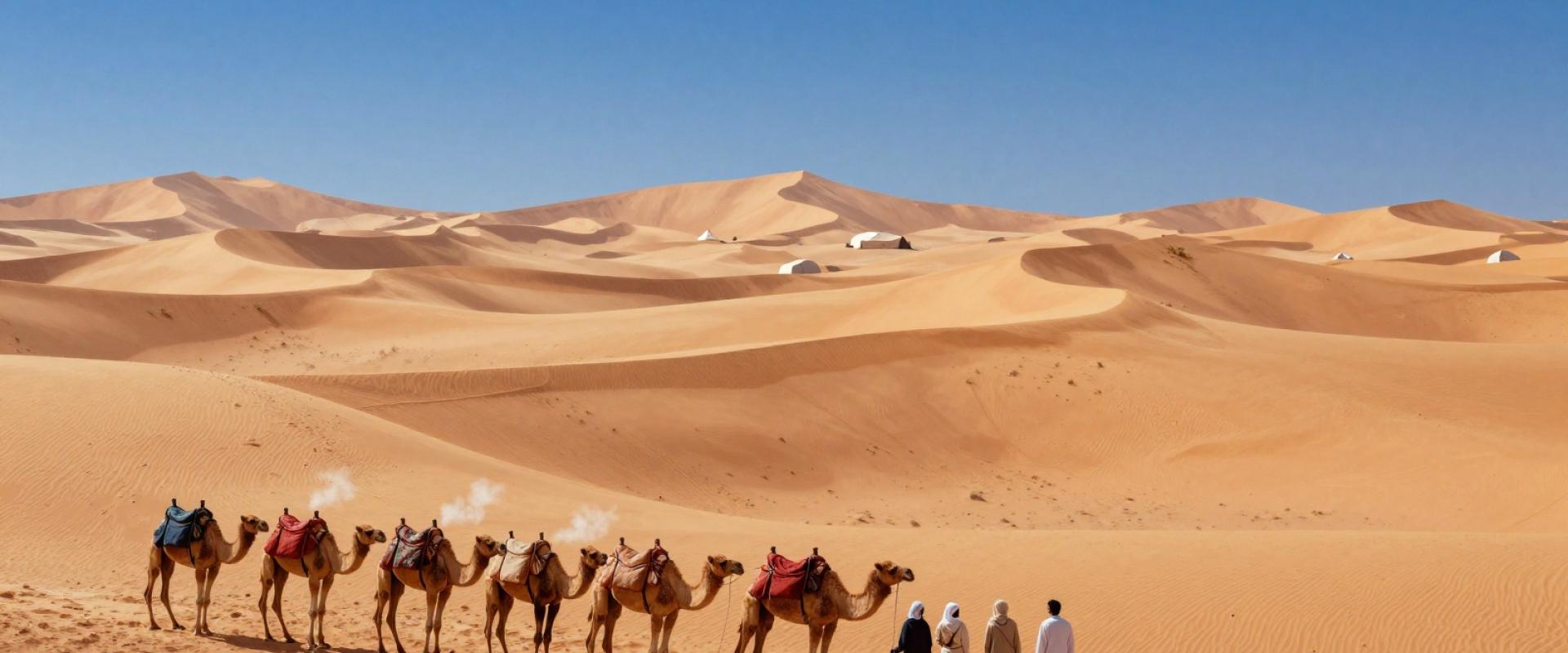
Merzouga serves as the primary hub for camel treks near Erg Chebbi dunes. Treks typically begin in the late afternoon. Riders cross golden dunes to watch the sunset. The slow pace allows for sensory immersion in the desert. Camels provide essential transport across the shifting sand. This traditional mode of travel defines the Moroccan Sahara experience. Overnight stays occur at traditional desert camps. These camps offer Moroccan dinner and live music. Guests enjoy stargazing under clear night skies. The transition from day to night is distinct. Temperatures drop significantly after sunset. The optimal visiting period runs from October to April. Summer months between June and August are discouraged. Temperatures often exceed 45°C during this period. Proper packing is essential for comfort. Lightweight, breathable clothing is recommended. Long sleeves provide necessary sun protection. Licensed guides accompany every trek. Camels are well-rested and properly maintained. Packages include return transfers to Merzouga village. Breakfast and dinner are standard inclusions. Shared and private trek options are available. The experience focuses on practical desert navigation. Sensory details like sand texture and silence are prominent. This structure ensures a safe and authentic journey.
Camp Life and Amenities
Moroccan desert camps vary significantly in quality. Options range from basic traditional setups to luxury glamping sites. Most treks conclude with an overnight stay near Merzouga. Camps are typically located within the Erg Chebbi dunes. Facilities depend entirely on the chosen package tier. Basic camps offer simple Berber tents on the sand. Luxury options include private bathrooms and heated beds. Hygiene standards differ by operator and price point. Shared toilet facilities are common in budget accommodations. Private ensuite bathrooms are standard in high-end camps. Cleanliness is generally maintained, but expectations should be realistic. Water availability may be limited in remote locations. Pack wet wipes for personal hygiene needs. Meals are a central part of the camp experience. Dinner usually features traditional Moroccan cuisine like tagine. Breakfast typically includes fresh bread, tea, and pastries. Dining occurs communally around low tables or fires. This fosters social interaction among fellow travelers. Connectivity is extremely limited or non-existent in the desert. Mobile network coverage is unreliable in Erg Chebbi. Use this time for a digital detox. Stargazing is exceptional due to lack of light pollution. Guides often provide music and storytelling in the evening. Temperatures drop significantly after sunset in the Sahara. Bring warm layers for nighttime comfort. October to April offers the most comfortable conditions. Summer heat exceeds 45°C, making camping difficult. Return transfers to Merzouga village usually occur in the morning. Licensed guides ensure safety throughout the camp stay.
Seasonal Timing and Climate
The optimal window for camel treks in Morocco runs from October to April. Temperatures remain comfortable during these months. This period avoids the extreme heat of summer. Summer months, specifically June through August, pose significant dangers. Temperatures frequently exceed 45°C in the Erg Chebbi dunes. Such heat makes daytime trekking unsafe and exhausting. Travelers should strictly avoid visiting during peak summer. Spring and autumn offer variable weather conditions. Days can be warm, while nights turn cool. Winter brings colder temperatures to the desert floor. Nights near Merzouga can drop significantly below freezing. Sandstorms are a notable risk during winter months. These storms can reduce visibility and disrupt schedules. Proper packing is essential for all seasons. Lightweight, breathable clothing protects against sun exposure. Long sleeves provide necessary protection from intense UV rays. Camp amenities vary, but climate control is limited. Basic traditional setups offer minimal shelter from elements. Luxury glamping sites provide better insulation against cold. Always check local forecasts before booking treks. Merzouga serves as the primary departure hub. Guides adjust itineraries based on real-time weather data. Safety protocols prioritize rider comfort and health. Extreme heat requires increased hydration and rest breaks. Cold weather demands layered clothing for evening camps. Stargazing opportunities improve during clear, dry nights. Autumn often provides the most stable weather. Spring may bring occasional rain to the dunes. Winter treks require extra preparation for cold nights. Summer treks are generally discouraged by local operators. Plan your visit during the cooler half of the year. This ensures a safer and more enjoyable experience. Reliable operators monitor conditions closely for all guests.
Safety and Physical Preparation
Licensed operators provide experienced guides for all treks. These guides ensure rider safety and proper camel handling. Camels must be well-rested and maintained. Riders should follow guide instructions strictly. Hydration is critical in the desert heat. Carry ample water for the entire trek. Sun protection is equally important for health. Wear lightweight, breathable clothing for comfort. Long sleeves shield skin from intense UV rays. Pack essential gear for physical safety. Include a basic first aid kit. Bring personal medications for any conditions. Licensed operators provide return transfers to Merzouga. This ensures safe logistics after the trek. Avoid summer months due to extreme heat. Temperatures exceed 45°C from June to August. This period poses significant health risks. October to April offers safer conditions. Temperatures remain comfortable during this window. Physical preparation helps manage the slow pace. The trek involves crossing Erg Chebbi dunes. This terrain requires steady balance and endurance. Riders should be comfortable with animals. Camels move slowly across the sand. This pace allows for sunset viewing. Proper packing prevents discomfort during the ride. Focus on practical items over luxury. Safety protocols prioritize rider well-being above all. Always verify operator credentials before booking. Licensed guides know the local terrain. They manage risks associated with desert travel. This preparation ensures a secure experience. Physical readiness complements these safety measures. Hydration and sun protection are non-negotiable. These factors prevent heat-related illnesses. First aid readiness addresses minor injuries. Licensed operators handle major logistical concerns. This structure supports a safe trek. Riders benefit from professional oversight. The combination of gear and guidance ensures safety. This approach minimizes risks in the Sahara. Merzouga serves as the primary hub. Treks begin here in the late afternoon. Riders cross dunes to watch the sunset. The slow pace allows for sensory immersion. Camps are typically located near Merzouga. Options range from basic to luxury. Most treks conclude with an overnight stay. Camps feature Moroccan dinner and music. Stargazing is a common evening activity. The optimal window runs from October to April. Temperatures remain comfortable during these months. This period avoids the extreme heat of summer. Summer months, specifically June to August, are discouraged. Temperatures exceed 45°C during this time. This heat poses significant health risks. Riders should prioritize safety and preparation. Licensed operators ensure professional standards. Guides manage camel handling and rider safety. Hydration and sun protection are essential. First aid kits address minor injuries. Physical readiness supports the trek experience. This preparation ensures a secure journey. Riders benefit from professional oversight. The combination of gear and guidance ensures safety. This approach minimizes risks in the Sahara. Merzouga serves as the primary hub. Treks begin here in the late afternoon. Riders cross dunes to watch the sunset. The slow pace allows for sensory immersion. Camps are typically located near Merzouga. Options range from basic to luxury. Most treks conclude with an overnight stay. Camps feature Moroccan dinner and music. Stargazing is a common evening activity. The optimal window runs from October to April. Temperatures remain comfortable during these months. This period avoids the extreme heat of summer. Summer months, specifically June to August, are discouraged. Temperatures exceed 45°C during this time. This heat poses significant health risks. Riders should prioritize safety and preparation. Licensed operators ensure professional standards. Guides manage camel handling and rider safety. Hydration and sun protection are essential. First aid kits address minor injuries. Physical readiness supports the trek experience. This preparation ensures a secure journey.
Booking and Operator Selection
Select licensed operators for safe camel treks in Morocco. Verified reviews indicate reliable service standards. Private tours offer personalized itineraries from Marrakech or Fes. Shared packages provide budget-friendly alternatives for independent travelers. All reputable operators include experienced local guides. These guides ensure proper camel handling and rider safety. Camels must be well-rested and properly maintained. Packages typically cover dinner and breakfast at desert camps. Return transfers to Merzouga village are standard inclusions. Hidden costs often arise from optional activities. Tipping customs vary but are generally expected for guides. Ethical operators support local communities through fair wages. Choose providers that prioritize animal welfare standards. Avoid unverified third-party sites for direct bookings. Compare inclusions carefully before finalizing reservations. Summer months require extreme caution due to heat. October to April remains the optimal booking window. Luxury glamping sites offer enhanced amenities. Basic traditional setups provide authentic cultural experiences. Ensure all safety protocols are clearly outlined. Licensed operators adhere to strict regulatory requirements. Direct communication with operators clarifies specific package details. Verify cancellation policies before making payments. Local knowledge ensures a secure desert experience.