
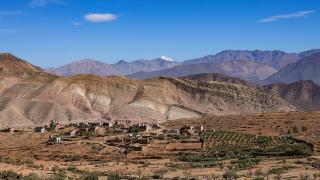
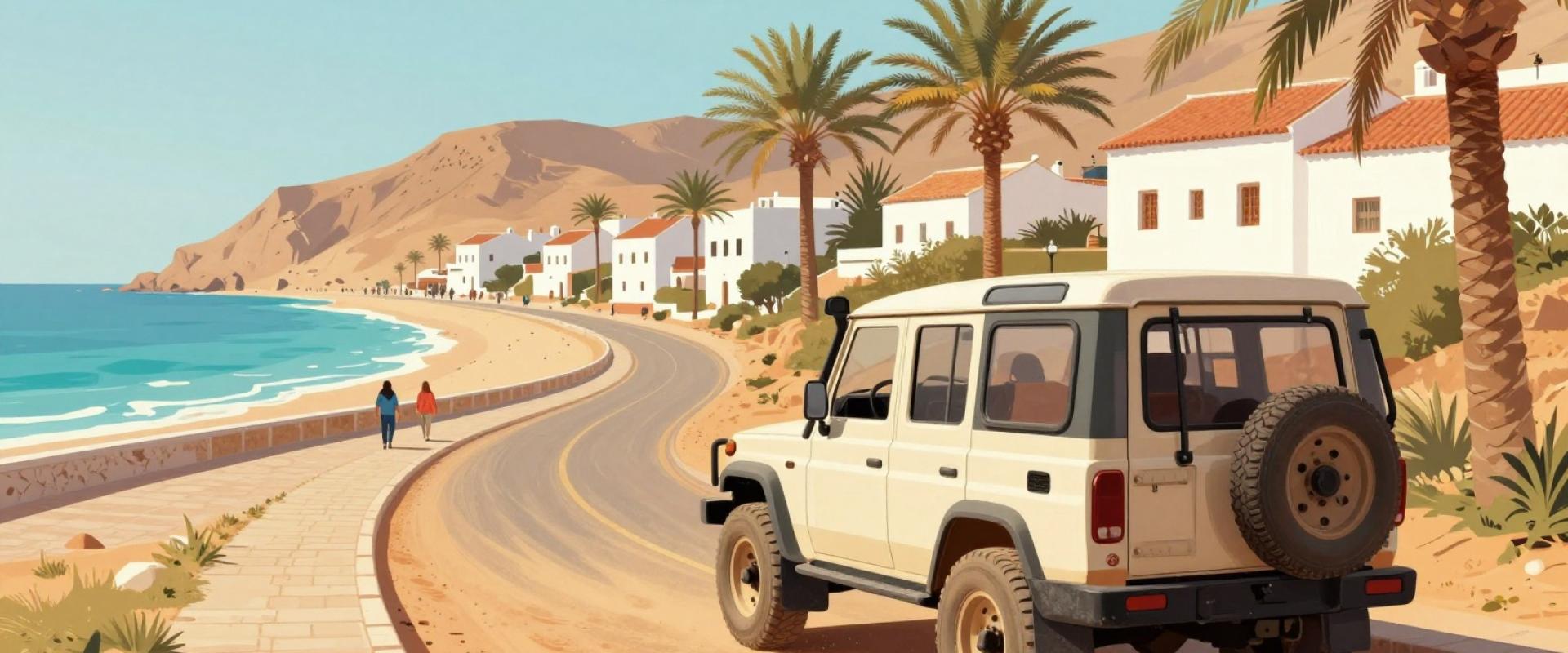
Renting a car in Morocco offers freedom to explore remote Atlas Mountains and desert landscapes. Public transport cannot reach these areas efficiently. You must compare international and local agencies for pricing. Local companies often provide better rates but vary in service quality. Select a vehicle based on your specific itinerary. Compact cars suit city medinas, while SUVs handle rough terrain. Assess your driving confidence before booking. Moroccan driving styles can be aggressive and unpredictable. Familiarize yourself with local traffic laws immediately. Parking in medina cities is extremely difficult. Narrow streets require careful navigation. Always verify insurance coverage, specifically CDW and theft protection. Understand toll road requirements for highway travel. Fuel costs and parking fees add to your budget. Plan routes carefully to avoid logistical challenges. Ensure you have an International Driving Permit if required. Research road conditions by region before departure. This preparation minimizes stress during your journey.
Documentation and Legal Requirements
You must present a valid passport upon arrival. Your home driver’s license is required for rental. Morocco mandates an International Driving Permit (IDP). Local agencies often enforce this strictly. Without an IDP, you risk fines or denial. A major credit card in your name is essential. This secures the rental deposit and holds funds. Debit cards are rarely accepted for security holds. Police conduct frequent random traffic stops across Morocco. You must carry your passport, license, and IDP. Keep these documents in the vehicle at all times. Failure to produce them results in immediate penalties. Ensure all papers are valid and undamaged. Local authorities check documentation rigorously during roadside inspections. Maintain copies of all rental agreements separately. This protects you if originals are lost. Always verify insurance coverage details before driving. Understand your liability limits clearly. Drive defensively and keep documents accessible.
Moroccan rental contracts include Collision Damage Waiver (CDW) and Theft Protection. These options reduce your financial liability significantly. However, a high excess or deductible remains standard. You must pay this amount if damage occurs. Basic insurance often excludes tires and windscreens. Breakage to these parts is your full responsibility. Always verify coverage limits before signing. Mileage limits vary by agency and vehicle class. Unlimited mileage is rare in local companies. Fuel policies typically require returning the tank full. Failure to comply incurs high refueling charges. Toll roads (péage) are common on major highways. You must carry cash or a toll card. Small hidden fees may appear for additional drivers. Request a full cost breakdown upfront. Avoid agencies with vague contract terms. Read every clause carefully. This prevents unexpected charges during pickup. Local agencies may have stricter enforcement. International brands offer clearer insurance structures. Choose based on your risk tolerance.
Driving Conditions and Road Rules
Moroccan highways feature smooth asphalt, but rural roads vary significantly. Expect potholes and narrow lanes in remote Atlas regions. Toll roads (péage) exist on major autoroutes. Fees range from 10 to 30 MAD depending on distance. Cash is often preferred at toll booths. Night driving poses serious risks due to poor lighting. Animals and pedestrians frequently share rural roads without warning. Defensive driving is essential for safety. Local norms prioritize assertive lane changes. Maintain safe distances from slower vehicles. Speed limits are strictly enforced in urban zones. Fines for violations are substantial and immediate. Always carry your rental contract and IDP. Police checkpoints are common on intercity routes. Cooperate fully and present documents promptly. Avoid driving during Ramadan daylight hours if possible. Traffic congestion peaks in major cities like Casablanca. Plan routes to avoid peak rush hours. Fuel stations are abundant but verify availability in remote areas. Keep your tank above half-full for safety.
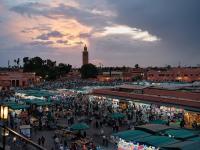
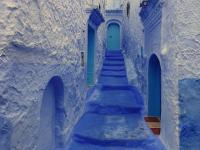
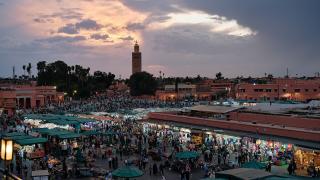
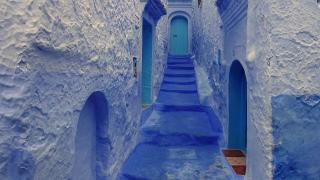
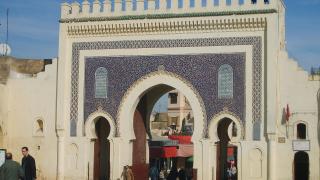
Medina entrances restrict vehicle access. Drop-off points exist near main gates. You must park outside ancient walls. Medina streets are narrow and pedestrian-heavy. Navigating them by car is difficult and often prohibited. Major cities like Marrakech and Casablanca face severe parking shortages. Street parking is scarce and frequently unregulated. Finding a spot can take significant time. Valet services offer a safer alternative in dense urban centers. Hotels and restaurants often provide this service. It reduces the risk of theft or damage. Always secure valuables inside the trunk before arrival. Do not leave items visible in the cabin. Theft is a common concern in tourist areas. Use guarded parking lots when available. These facilities offer better security than street spots. Confirm valet fees upfront to avoid surprises. Plan extra time for urban navigation. Traffic congestion peaks during evening hours. Prioritize safety over convenience in crowded zones.
Smart Planning and Budgeting
Book rentals early to secure competitive rates. Compare international firms against local Moroccan agencies for better value. Budget for fuel and tolls separately. Autoroute fees vary by distance. Carry cash for rural fuel stations. Use offline maps for navigation. Mobile data coverage drops in Atlas Mountains. Plan flexible itineraries around road conditions. Avoid driving in medinas due to narrow streets. Park outside ancient walls. Check insurance excess carefully. Local agencies may enforce strict IDP rules. Factor in parking costs in major cities. Prioritize main highways for efficiency. Rural routes require caution. Verify vehicle condition before departure. Keep documents accessible for police checks.