


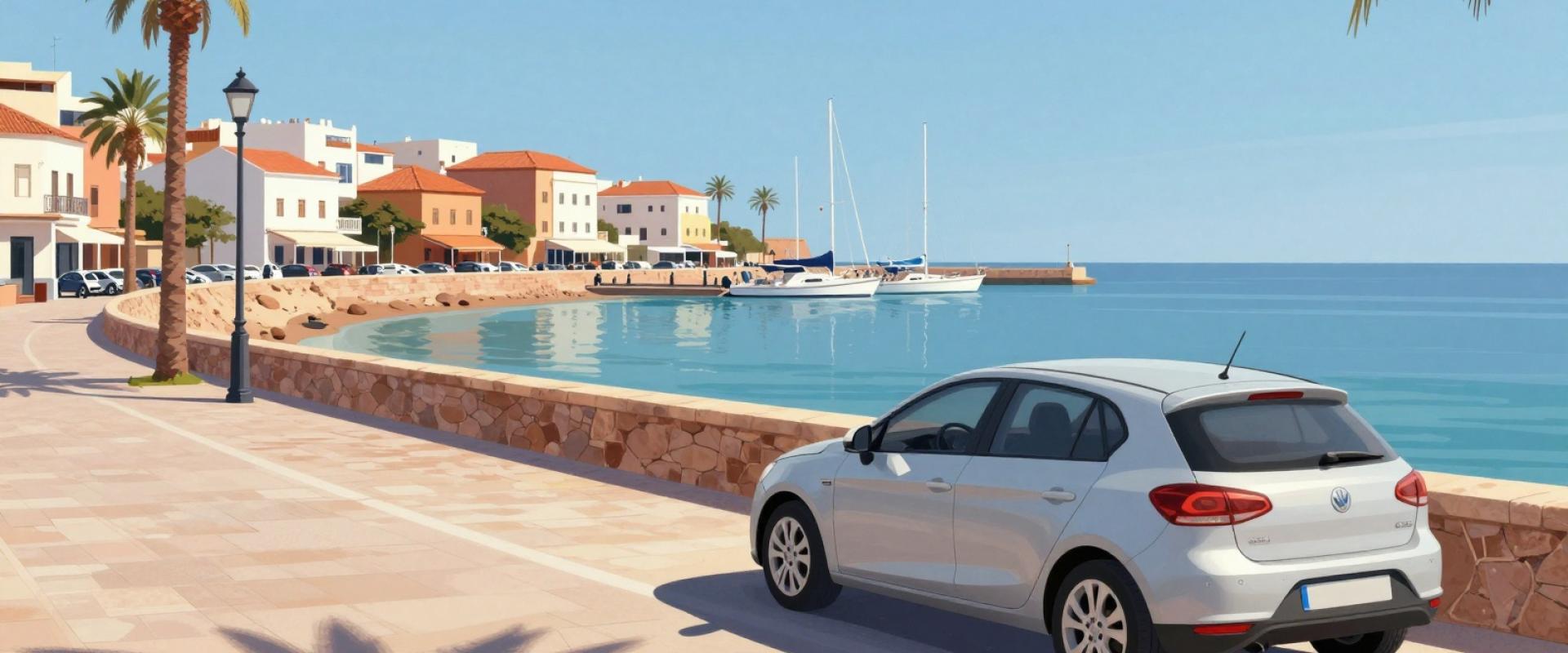
Renting a car in Morocco costs approximately $21 per day. This rate grants access to the Atlas passes, the desert, and the coast. You must compare international agencies against local providers for better value. Ensure you understand CDW and theft insurance policies before signing. International Driving Permits are often required alongside your home license. Toll roads exist on major highways, so carry small cash. Traffic in medina cities is dense and chaotic. Parking in these historic centers is extremely difficult. You must drive defensively in urban areas. Mountain passes require caution due to steep gradients and sharp turns. Desert driving demands a robust vehicle and extra fuel. Checkpoints are common; keep your documents readily accessible. Fuel costs vary by region, so plan refueling stops carefully. Rural tracks can be unpaved and challenging for standard sedans. Always verify your insurance covers all intended routes. Defensive driving is essential for safety on Moroccan roads.
Legal Requirements & Documentation
You must carry an International Driving Permit (IDP) alongside your national license. Moroccan law strictly enforces this requirement for all foreign drivers. Police checkpoints frequently verify documentation validity. Failure to produce an IDP results in immediate fines or vehicle impoundment. Ensure your primary license remains valid throughout your stay. You must also carry your original passport and visa documents. Police may request proof of legal entry status at any time. Keep these documents in the vehicle at all times. The minimum age to rent a car is typically 21 years. Some agencies require drivers to be at least 23 or 25. Young driver surcharges apply to renters under 25 years old. Strict zero-tolerance alcohol laws govern driving in Morocco. Any detectable alcohol in your system is illegal. Do not consume alcohol before operating a vehicle. Speed limits are strictly enforced in urban and rural zones. Carry your rental agreement and insurance papers in the glove compartment. These documents prove your legal right to operate the vehicle. Ignorance of these laws does not exempt you from penalties. Always verify IDP acceptance with your specific rental agency beforehand.
Rental Companies & Insurance
International agencies like Hertz operate in major hubs. Local providers often offer lower daily rates. Compare both for the best value. Basic insurance is mandatory. Collision Damage Waiver (CDW) reduces liability. Theft protection covers vehicle loss. Be aware of high excess fees. These can exceed $500 per incident. Always request full coverage options. Inspect the car thoroughly before driving. Document existing scratches with timestamped photos. Check tire condition and spare tools. Ensure the fuel tank is full. Take clear images of the odometer. Review the rental agreement for hidden fees. Moroccan police checkpoints verify documentation frequently. Carry your IDP and passport copies. Refuel before returning the vehicle. Keep receipts for all fuel purchases. Avoid disputes by noting pre-existing damage. Local agencies may have stricter policies. International firms offer more standardized support. Choose based on your comfort level. Verify insurance validity in remote areas. Atlas passes require reliable vehicle condition. Desert routes demand robust tires. Coastal drives need functional air conditioning. Plan for toll road payments. Keep small cash for fees. This ensures smooth travel across Morocco.
Costs, Fuel & Toll Roads
Daily rental rates fluctuate significantly between seasons. Expect higher prices during peak tourist months. Fuel costs remain relatively stable but vary by region. Diesel is often cheaper than gasoline in Morocco. Consumption tips include avoiding aggressive acceleration on mountain passes. Toll roads connect major cities like Casablanca and Marrakech. Tolls are electronic via the Salik system. Carry cash for smaller toll booths if needed. Parking in medina cities presents unique challenges. Narrow streets restrict vehicle access in historic centers. Designated parking lots exist on the medina periphery. These lots charge hourly fees based on location. Medina parking requires careful navigation and patience. Avoid driving into narrow alleys without local knowledge. Traffic congestion increases during evening hours in urban areas. Plan parking strategies before entering city centers. Fuel stations are abundant in rural areas. Remote desert regions may have sparse options. Fill your tank before long desert drives. Toll costs add up on highway routes. Budget extra for multi-day highway travel. Parking fees accumulate in tourist-heavy zones. Monitor local signage for restricted zones. Fines for illegal parking are strictly enforced. Always pay for valid parking tickets. Keep receipts for potential dispute resolution. Fuel consumption increases on steep Atlas passes. Drive cautiously to maintain efficiency. Toll roads offer faster transit times. Weigh time savings against toll expenses. Parking availability dictates urban driving routes. Research medina parking options in advance.
Download offline maps before entering remote areas. Cellular service fails frequently in the Atlas Mountains and desert regions. Apps like Maps.me or Google Maps require pre-downloaded data for reliable navigation. Popular routes include the coastal drive from Casablanca to Agadir. This journey takes approximately six hours without stops. The Trans-Atlas route connects Marrakech to Ouarzazate via the Tizi n'Tichka pass. This mountain pass demands careful driving due to steep gradients and sharp turns. Carry a physical paper map as a backup. Police checkpoints are common on major highways. Have your IDP and rental documents ready for inspection. Fuel stations are sparse in the Sahara. Refill your tank whenever possible. Toll roads exist on the Rabat-Casablanca and Casablanca-Marrakech highways. Keep small cash denominations for toll payments. Driving at night is discouraged due to poor lighting and livestock on roads. Plan stops during daylight hours for safety. Ensure your vehicle has a spare tire and jack. Remote breakdowns require significant patience and preparation.