



The Cultural Tapestry of Taste
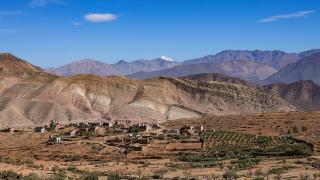
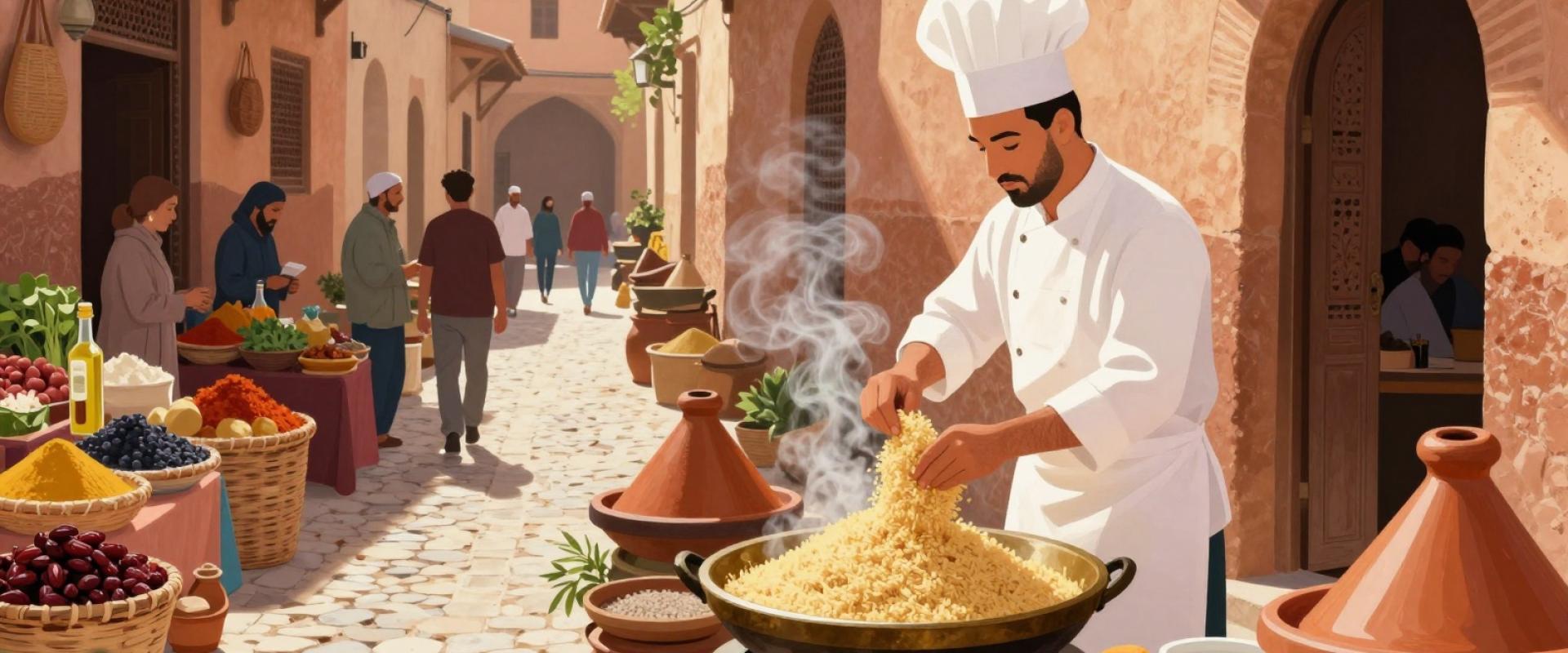
Moroccan cooking workshops prioritize cultural immersion over simple culinary instruction. Participants engage in market-to-table activities within traditional riad kitchens. This approach emphasizes hospitality and deep cultural connection. Workshops operate across major cities including Marrakech, Fes, Essaouira, and Chefchaouen. Settings range from urban riads to farm-to-table locations in the Atlas foothills. Prices start at approximately 300 MAD per person. Sessions typically include market tours and detailed spice education. Participants learn to prepare signature dishes like tagine and couscous. Techniques include hand-rolling couscous and creating complex spice pastes. Other featured dishes include pastilla, harira, and msemen. Classes accommodate vegetarian options and dietary restrictions. Both private and group formats are available. The kitchen serves as a central social hub in Moroccan life. Communal dining reinforces the significance of shared hospitality. These experiences offer practical insights into daily Moroccan routines. Booking tips and budgeting advice are readily available. The structure supports a genuine understanding of local traditions.
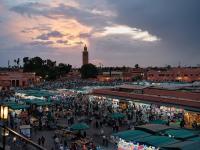
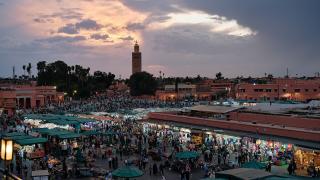
Workshops begin with guided tours through local souks. Participants learn to identify fresh spices and produce. Instructors demonstrate proper selection techniques for key ingredients. This practical skill builds confidence for independent shopping later. Classes are available in Marrakech, Fes, Essaouira, and Chefchaouen. Prices start at approximately 300 MAD per person. Sessions typically include a dedicated market visit segment. Students engage directly with local vendors during these tours. The experience emphasizes cultural interaction alongside culinary education. Participants often prepare signature dishes like tagine or couscous. Some workshops offer farm-to-table options in the Atlas foothills. Vegetarian dietary restrictions are commonly accommodated during market selection. Private and group class formats allow for flexible pacing. The market tour serves as the foundational educational step. It connects participants directly to the source of their meal. This approach ensures ingredient quality and supports local economies. The hands-on nature of the workshop extends beyond the kitchen. It integrates the vibrant atmosphere of Moroccan commerce. Students gain insight into daily food procurement habits. This logistical component is central to the total experience. It transforms a simple cooking lesson into a cultural immersion. The market visit bridges the gap between tradition and practice.
Mastering Signature Dishes and Techniques
Participants master essential Moroccan culinary techniques in small groups. Instructors provide personalized guidance during these intimate sessions. Students learn to construct complex spice blends. They specifically study the composition of ras el hanout. This traditional mix defines authentic Moroccan flavor profiles. Hands-on practice focuses on three signature dishes. Learners prepare savory tagines using slow-cooking methods. They also master the art of steaming couscous. Instruction includes hand-rolling couscous grains for texture. Students also assemble sweet and savory pastilla. This layered pastry requires precise folding techniques. Workshops often include market tours for ingredient sourcing. Participants select fresh produce in local souks. Classes are available in Marrakech, Fes, and Essaouira. Prices start at approximately 300 MAD per person. Sessions typically last between three and four hours. Dietary restrictions are accommodated upon prior request. Vegetarian options are standard in most curricula. Farm-to-table experiences occur in the Atlas foothills. These settings connect cooking directly to local agriculture. Participants cook in traditional riad kitchens. This environment reinforces cultural hospitality and connection. The instruction emphasizes practical, repeatable skills. Students leave with confidence in their abilities.
Selecting the Right Workshop for Your Style
Choose workshops based on budget and location preferences. Prices start at 300 MAD for group sessions. Luxury riad classes offer private instruction in Marrakech or Fes. These options cost significantly more but ensure personalized attention. Group classes provide a social atmosphere in Essaouira or Chefchaouen. Thematic variations cater to specific dietary needs. Vegetarian workshops exclude meat, focusing on vegetable tagines. Berber-style classes highlight traditional Atlas foothill ingredients. Seafood-focused sessions are available in coastal cities like Essaouira. Participants learn to prepare fresh local catches. Check reviews before booking to verify hygiene standards. Read recent feedback regarding kitchen cleanliness and food safety. Verify that instructors follow proper handling procedures. Confirm the workshop duration and included market tours. Ensure the price covers all ingredients and spices. Compare riad settings against farm-to-table experiences in the Atlas. Riads offer urban convenience. Farm locations provide rural immersion. Select the environment that matches your travel style. Prioritize workshops with clear safety protocols. Verify ingredient sourcing methods. Ensure the instructor speaks your language. Confirm cancellation policies before payment. Read the fine print carefully. Avoid workshops with vague descriptions. Choose established schools with proven track records. This ensures a safe and educational experience.
Essential Etiquette and Dietary Considerations
Communicate dietary restrictions to instructors before booking. Most riads in Marrakech and Fes accommodate vegetarian needs. Traditional tagine and couscous recipes often contain meat. Instructors can substitute vegetables for lamb or chicken. Request halal options if required by your faith. Hygiene standards vary between luxury riads and local homes. Wash hands thoroughly before handling food. Use the right hand for eating traditional dishes. Avoid touching food with your left hand. This gesture is considered disrespectful in Moroccan culture. Follow the host’s lead during communal meals. Wait for the eldest person to begin eating. Adaptability is common in modern cooking classes. Schools in Essaouira offer seafood-focused vegetarian alternatives. Farm-to-table workshops in the Atlas foothills use fresh produce. These settings allow for easy ingredient swaps. Instructors prioritize safety and cultural respect. They explain the significance of each ritual. This ensures a meaningful and safe experience for all participants.