
Morocco’s linguistic landscape requires clear distinction. Modern Standard Arabic serves as the official written language. Moroccan Darija functions as the primary spoken dialect. This dialect blends Arabic, Amazigh, and French influences. Amazigh, or Tamazight, holds official status nationwide. Many schools now offer standardized Amazigh courses. These programs cater to heritage learners and students. Geographic distribution of language schools varies significantly. Fez hosts numerous traditional and modern institutions. The city offers structured, long-term immersion programs. Casablanca provides more commercial, short-term options. Urban centers like Casablanca and Rabat excel here. They host international curriculum schools and language centers. Rural areas lack structured international language programs. Choosing an urban center ensures better resources. Fez remains the top choice for serious study. Its academic environment supports deep linguistic immersion. Casablanca suits professionals seeking quick language skills. Both cities offer diverse pricing tiers. Budget options exist alongside premium international schools. Verify accreditation before enrolling in any program. Language proficiency impacts daily life and business. Darija fluency facilitates deeper cultural integration. Standard Arabic remains essential for formal contexts. Amazigh courses preserve vital Berber heritage. Select schools based on specific linguistic goals. Urban infrastructure supports consistent educational quality. Rural schools may lack standardized materials. Prioritize institutions with verified teaching credentials. Morocco offers rich opportunities for language acquisition. Strategic location choice maximizes learning outcomes.
Selecting Accredited Institutions
Verify institutional legitimacy before enrollment. Morocco’s Ministry of Education oversees public schools. Private language centers operate with varying oversight levels. Check for official registration documents. Unregulated institutions often promise rapid fluency. These claims lack factual basis. Small class sizes ensure effective learning. Look for groups of five students or fewer. Larger classes reduce individual speaking time. Verify certification upon course completion. Ensure certificates hold local recognition. Moroccan employers value accredited credentials. Avoid centers with no physical address. Reputable schools operate in major cities like Casablanca or Rabat. Compare tuition fees carefully. Prices vary by city and duration. Request a detailed syllabus upfront. Confirm instructor qualifications. Native speakers do not guarantee teaching skills. Check for certified pedagogical training. Read recent student reviews. Focus on verified feedback sources. Avoid institutions with vague curricula. Clear learning objectives indicate professionalism. Ensure contracts specify refund policies. Transparency protects your investment. Prioritize schools with established reputations. Accreditation signals adherence to standards. This verification step prevents wasted resources. Choose wisely for optimal results.
Budgeting for Tuition and Living
Tuition costs vary significantly across Moroccan language centers. Intensive Arabic courses typically range from 150 to 300 MAD per week. This rate usually includes daily instruction and basic materials. Long-term enrollment often secures substantial discounts. Students committing to monthly programs save approximately 10 to 15 percent. Homestay arrangements offer a cost-effective immersion alternative. These accommodations generally cost 200 to 400 MAD weekly. Meals and local interaction are included in this fee. Daily living expenses remain modest in most cities. A local meal costs between 20 and 40 MAD. Public transport fares average 4 to 6 MAD per trip. Internet access is widely available for under 100 MAD monthly. Cash reserves are essential for small transactions. Many smaller vendors and taxis prefer cash over cards. Budget an additional 500 MAD monthly for miscellaneous expenses. This covers toiletries, laundry, and occasional social activities. Always verify if tuition fees include registration costs. Some schools charge separate administrative fees upfront. Confirm payment methods accepted by the institution. Bank transfers are common for long-term courses. Cash payments are standard for short-term intensive programs. Plan your budget around the academic calendar. Peak seasons in cities like Fez or Marrakech may raise prices. Secure housing early to lock in rates. Verify if utilities are included in homestay fees. Unplanned costs can disrupt your financial planning. Maintain a buffer for unexpected travel or medical needs. Research specific school policies before finalizing payments.
Visa Requirements and Legal Status
Most nationalities enter Morocco visa-free for 90 days. This allowance covers tourism only. It does not permit formal study enrollment. Language school students require specific legal status. You must apply for a student visa abroad. Visit the nearest Moroccan consulate before travel. Submit proof of enrollment from your school. Provide evidence of sufficient financial means. Immigration authorities strictly enforce these entry rules. Tourist visas cannot be converted to student permits easily. Staying beyond 90 days requires legal registration. You must register with local police authorities. This step is mandatory for long-term residency. Failure to register results in significant fines. Overstaying your visa complicates future travel plans. Legal compliance ensures smooth academic progress. Always verify current regulations with official sources. Rules may change without prior notice. Maintain valid documentation throughout your stay. This protects your legal standing in Morocco. Non-compliance can lead to deportation. Prioritize administrative tasks upon arrival. Secure your residency permit promptly. This avoids unnecessary legal complications later. Focus on your language studies instead. Proper paperwork is essential for peace of mind. Ensure all documents are translated if necessary. Keep copies of all submitted forms. This helps resolve any administrative issues quickly. Stay informed about local immigration updates. Knowledge prevents costly mistakes during your stay.
Maximizing Cultural Immersion
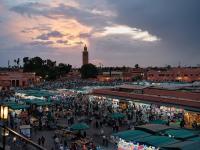
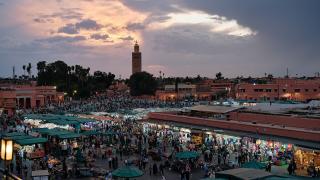
Language acquisition deepens through daily community interaction. Students must leave school grounds to practice effectively. Visit local souks in Marrakech or Fes. These markets offer high-density linguistic environments. Bargaining requires active Darija usage. Use public transport like petit taxis. Drivers often speak limited English. This forces reliance on basic Arabic phrases. School-organized excursions provide structured cultural context. These trips typically visit historical medinas. They include guided commentary in Arabic. Participation ensures exposure to formal vocabulary. Avoid expatriate enclaves in major cities. Areas like Gueliz in Marrakech cater to tourists. They offer English menus and service. Staying within these zones limits immersion. Engage with local residents directly. Respect Islamic customs during visits. Dress modestly in religious districts. Learn basic Amazigh greetings. Amazigh culture remains significant in rural regions. Using phrases like "Azul" shows respect. This gesture opens doors to deeper conversations. Students should attend local community events. These gatherings often occur in public squares. They provide authentic social contexts. Practice listening skills during these interactions. Consistent exposure accelerates fluency development. Cultural sensitivity enhances the learning experience. It builds trust with native speakers. This trust facilitates more complex dialogues. Prioritize local engagement over comfort. This approach yields the best results.