
Residency and Legal Framework
You must secure the appropriate visa before entering Morocco. Tourist visas allow short stays only. Long-term residence requires a specific visa category. Upon arrival, you must apply for the Carte de Séjour. This card is your primary legal identification. You must submit this application within 30 days of entry. The process occurs at local police stations or prefectures. You need original documents and certified copies. All foreign documents require an apostille stamp. Official translations into Arabic or French are mandatory. You must provide proof of stable income. Medical certificates are also standard requirements. Non-compliance carries severe legal risks. Fines are imposed for expired cards. Detention is possible for serious violations. Renewal is required annually. Keep all receipts and tracking numbers. The system is bureaucratic and strict. Patience is essential for success. Always verify current requirements with official sources. Regulations change frequently without notice. Legal status depends on strict adherence. Do not rely on informal advice. Consult a local lawyer for complex cases. Your legal standing affects banking and housing. Maintain organized records of all submissions. This ensures smooth administrative interactions. Compliance protects your right to reside. Ignorance of the law is not a defense. Stay informed about policy updates. This framework governs your legal presence. Adherence ensures a stable expat life.
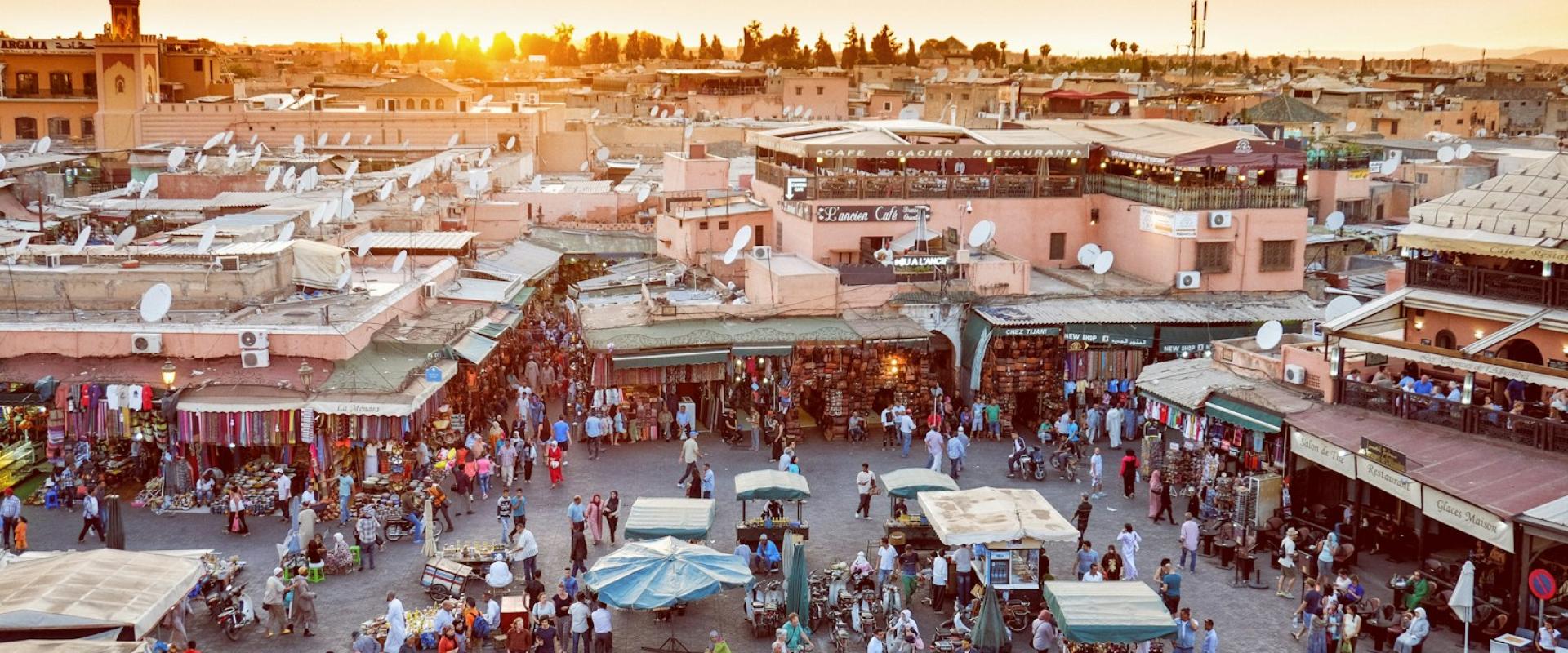
Casablanca offers modern apartments in Maarif or Ain Diab. Marrakech features traditional riads in the Medina or Gueliz. Rent varies significantly by city and neighborhood. Contracts typically require a three-month deposit. You must sign a formal lease agreement. Verify property ownership before paying any fees. Utility connections involve separate providers for water and electricity. You will need your ID and lease to activate services. This process can take several days. Inspect the apartment thoroughly before signing. Check for plumbing leaks and electrical faults. Negotiate rent based on local market rates. Agents usually charge one month’s rent as a fee. Ensure all repairs are documented in writing. Utility bills are paid monthly via bank transfer. Internet installation requires scheduling with Maroc Telecom. Security deposits are refundable after inspection. Keep copies of all payment receipts. Understand local norms regarding maintenance responsibilities. Landlords handle major structural repairs. Tenants manage minor upkeep issues. Research specific neighborhoods for safety and convenience. Proximity to public transport is crucial in Casablanca. Walkability is higher in Marrakech’s older districts. Verify internet speed in your chosen area. Some rural areas lack reliable broadband. Confirm parking availability if you own a car. Gated communities offer enhanced security in major cities. Always use licensed real estate agents. Avoid cash payments for large sums. Get everything in writing to protect your rights.
Banking and Financial Logistics
Open a local bank account using your passport and residence permit. Major banks operate in Casablanca and Rabat. You need proof of address for verification. The Moroccan Dirham (MAD) is the official currency. It is non-convertible outside Morocco. Keep cash for daily transactions. Many small shops reject cards. ATMs are widely available in urban areas. Withdrawals incur fees from your home bank. International transfers require specific documentation. Declare large sums upon entry. Customs officials monitor cash imports strictly. Use official exchange bureaus for currency conversion. Avoid black market dealers. Online banking services are growing rapidly. Most banks offer mobile apps for transfers. Check transfer limits before sending money. Wire transfers can take several days. Ensure your bank supports international SWIFT codes. Maintain records of all large transactions. Compliance with local financial laws is mandatory. Failure to declare funds may result in penalties. Plan your cash needs carefully. Carry sufficient dirhams for initial expenses. Verify card acceptance at your specific location. Some rural areas remain cash-only. Prioritize security when handling large amounts. Use bank safes for storing valuables. Monitor exchange rates regularly. Fluctuations can impact your budget significantly.
Healthcare Access and Insurance
Public hospitals in Morocco often face overcrowding and limited resources. Private clinics in Casablanca and Rabat offer superior care standards. Expat residents should prioritize private facilities for routine and emergency needs. Comprehensive health insurance is essential for accessing these private services. Policies typically cover specialist visits, hospital stays, and medical evacuations. Verify coverage limits before purchasing any plan. Pharmacies are widespread in urban areas and mark with a green cross. Pharmacists can dispense many medications without a prescription. Keep copies of all medical records and prescriptions. Emergency services are available via the 15 (SAMU) or 112 numbers. Response times vary significantly between major cities and rural regions. Ensure your insurance policy includes direct billing with local providers. This avoids upfront payment and complex reimbursement processes. Regular check-ups are recommended to maintain health standards. Vaccinations should be up to date before arrival. Consult your insurer regarding specific coverage for chronic conditions. Private dental care is available but can be costly. Always carry your insurance card and passport when seeking treatment.
Cultural Integration and Daily Life
Mastering Arabic or French is essential for daily integration. French dominates business and urban administration. Arabic connects you with local communities. Learn basic greetings to show respect. Dress modestly, especially in religious areas. Women should cover shoulders and knees. Men should avoid sleeveless shirts in mosques. Ramadan significantly alters social rhythms. Shops close earlier during daylight hours. Public dining is restricted during fasting. Respect these norms to avoid offense. Build relationships through local tea houses. Invite neighbors for mint tea. This gesture fosters trust and friendship. Attend community events in your medina. Participate in local festivals when invited. These interactions deepen cultural understanding. Avoid discussing sensitive political topics initially. Focus on shared interests and hobbies. Patience is key in Moroccan interactions. Relationships develop slowly but last longer. Engage with neighbors regularly. Small gestures build strong social bonds. Respect prayer times when visiting homes. Silence is appreciated during call to prayer. This awareness shows cultural sensitivity. Integrate gradually by observing local customs. Consistency builds respect within the community.