


Understanding Refuge Types
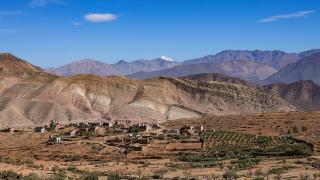
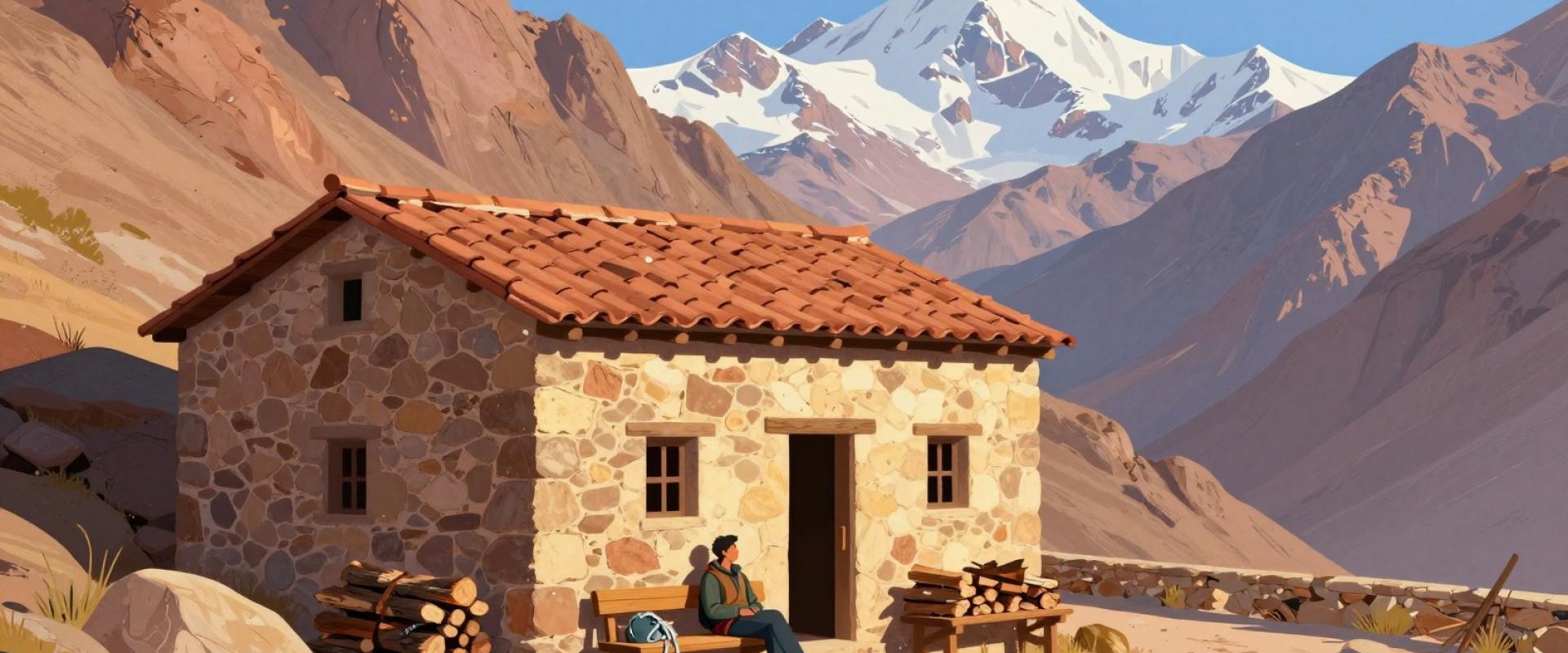
Morocco’s High Atlas offers two distinct lodging types. Gites d’étape are family-run guesthouses in Berber villages. They sit at mid-mountain altitudes between 1,500 and 2,300 meters. These provide simple comfort with dorms or private rooms. Hot meals and showers are often available. They serve as the backbone for village-to-village trekking. Refuges are purpose-built huts at higher, remote altitudes. For example, the Toubkal base refuge sits at 3,207 meters. No villages exist at these high elevations. Refuges offer basic dormitory-style sleeping arrangements. Costs vary by type and season. Dorm bunks range from 150 to 250 MAD per night. Half-board meals cost 250 to 450 MAD per person. Advance booking is recommended for peak weeks. This ensures availability during busy trekking seasons.
Costs and Booking Logistics
Dorm bunks cost 150–250 MAD per night. Half-board meals range from 250–450 MAD per person. These prices apply to both gites and refuges. Advance booking is essential for Toubkal refuges. Peak weeks require early reservations. Village gites also fill quickly on busy days. Cash remains the preferred payment method. Credit cards are rarely accepted in remote areas. Confirm reservations directly with the host. Phone calls are more reliable than emails. Prices reflect the 2026 market rates. Budget accordingly for dinner and breakfast. Dormitory sleeping arrangements are standard at high altitudes. Family-run gites offer simple comfort at mid-mountain levels. Always verify current rates before arrival. Logistics depend on specific trekking routes. Prepare small bills for easier transactions. Secure lodging early to avoid disappointment.
Amenities and Comfort Realities
Heating relies on wood stoves or electric heaters. These units provide essential warmth during cold Atlas nights. Hot water access remains inconsistent at high altitudes. Many gites lack reliable showers for guests. Refuges often exclude private bathroom facilities entirely. Bedding standards are basic and utilitarian. Guests receive simple mattresses and thin blankets. Sleeping bag liners are strongly recommended. They add hygiene and extra warmth. Dormitory arrangements are standard in refuges. Privacy is limited in shared sleeping quarters. Comfort levels vary significantly between village gites and remote huts. Higher elevation locations offer fewer amenities. Travelers must prepare for rustic conditions. Expect minimal luxury in mountain accommodations. Practical gear outweighs comfort expectations. Bring warm layers for evening hours. Water conservation is common in remote areas. Electricity may be intermittent in some gites. Plan accordingly for limited power sources.
Dietary Options and Nutrition
Meals follow strict communal schedules. Dinner and breakfast are served at set times. Half-board costs 250–450 MAD per person. The typical Berber menu features hearty staples. Tagines and couscous appear frequently. Lentil soups provide essential protein. These dishes sustain trekkers at high altitudes. Communal dining fosters social interaction. However, restrictive diets pose significant challenges. Vegetarian or vegan options remain limited. Gluten-free requests are often difficult to fulfill. Hosts prioritize traditional Berber recipes. They rarely accommodate specialized dietary needs. Trekkers must plan accordingly. Bringing supplemental snacks is highly recommended. Energy bars and dried fruits are essential. These items bridge gaps between meals. Reliable nutrition ensures safety on the trail. Self-sufficiency remains crucial for dietary control.
Safety and Seasonal Considerations
Trekking seasons run from April to June and September to October. These months offer stable weather for High Atlas routes. Winter months bring significant snow risks to refuges above 3,000 meters. The Toubkal base refuge sits at 3,207 meters. Snow accumulation often blocks access during these colder periods. Winter trekking requires specialized technical equipment. Hikers must carry crampons and ice axes for safety. Communication networks remain sparse in remote Berber villages. Mobile signals frequently fail at mid-mountain altitudes. Local guides provide essential navigation and safety oversight. They understand local terrain and weather patterns. Guides help navigate sudden weather changes effectively. Booking advance is critical during peak trekking weeks. This ensures secure lodging in high-demand refuges. Always verify current conditions before departure. Local knowledge significantly reduces risk in the Atlas Mountains.