
Major Festival Calendar
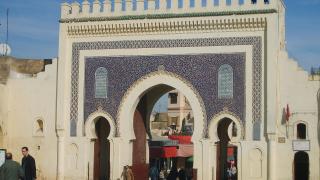
Morocco hosts significant music and arts festivals annually. These events require careful planning for tickets and lodging. The Fes Festival of World Sacred Music occurs in May. It features global artists in historic medina venues. Official ticketing is essential due to high demand. Early booking is necessary for these popular medina locations.
The Gnaoua World Music Festival takes place in Essaouira in June. This coastal event attracts international musicians and fans. Accommodation scarcity is common in this historic port city. Advance booking is strictly required for June stays.
Mawazine in Rabat runs during June or July. This large-scale festival offers both free and paid zones. VIP options are available for enhanced viewing experiences. The scale requires early logistical preparation for attendees.
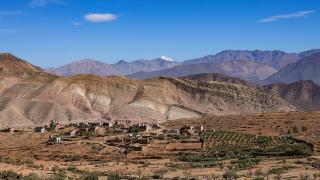
The Imilchil Marriage Festival happens in September. It focuses on cultural traditions in the Atlas Mountains. The remote location limits local infrastructure significantly. Visitors must plan transport and lodging well in advance.
General advice includes verifying dates annually. Monitor official websites for schedule changes. Book accommodation early to secure availability. These steps ensure a smooth festival experience in Morocco.
Marrakech offers distinct art experiences across its districts. Guéliz hosts contemporary galleries with fixed prices. Visitors should expect no haggling in these modern spaces. Access is generally open to the public. Conversely, the Medina features traditional art shops. Prices here are negotiable and haggling is expected. Cash in Dirhams is preferred for these purchases. Credit cards are rarely accepted in these smaller venues. Casablanca presents a different gallery landscape. Modern and corporate spaces dominate the city center. These venues often require appointments for guided tours. The focus remains strictly on contemporary Moroccan art. Payment methods vary significantly by location type. Major galleries in Casablanca accept credit cards. Small purchases in Marrakech require physical Dirhams. Always request a receipt for any export. Etiquette guidelines ensure respectful engagement with local art. Ask permission before touching any artwork on display. Respect all 'no photo' signs strictly. These rules apply to both galleries and shops. Understanding these norms prevents awkward interactions. Planning ahead ensures a smooth cultural experience. Distinguish between fixed-price and negotiable venues clearly. This knowledge saves time and money. Focus on the specific rules of each district. Marrakech Guéliz demands modern gallery etiquette. The Medina requires traditional bargaining skills. Casablanca requires prior scheduling for full access. Each location has unique operational standards. Adhering to these standards enhances the visit. Respect local customs regarding art and commerce. This approach fosters positive relationships with vendors. Ensure all transactions are documented properly. Receipts are essential for customs clearance. Carry small bills for easier transactions. Verify card acceptance before making large purchases. Stay informed about specific gallery hours. Some venues close during prayer times. Plan visits around these local schedules. This ensures you do not miss opportunities. Knowledge of local practices is key. It transforms a simple visit into a respectful engagement. Prioritize understanding over rushing through galleries. This mindset respects the artistic heritage. It also simplifies the purchasing process. Clear communication avoids misunderstandings. Be polite and patient with staff. They appreciate visitors who follow local norms. This respect is reciprocated with better service. Focus on the art and the culture. Let the transaction details follow naturally. This strategy works across all Moroccan cities. It applies to both traditional and modern spaces. Consistency in behavior builds trust. Trust leads to better art discoveries. Keep these guidelines in mind always. They are essential for a successful trip. They reflect the broader cultural context. Understanding this context enriches the entire experience. It connects the visitor to the local reality. This connection is the true value of travel. It goes beyond mere sightseeing. It involves active participation and respect. This is the core of ethical tourism. It ensures sustainability for local artists. It supports the preservation of heritage. It also promotes economic growth. All these benefits stem from simple actions. Asking permission and paying fairly are key. These actions define the visitor's role. They define the relationship between guest and host. This relationship is built on mutual respect. It is the foundation of good travel. It is especially important in art spaces. Art is personal and cultural. Treating it with care is vital. This care extends to the people who create it. Supporting them directly helps the community. It ensures the art scene thrives. It keeps traditions alive and relevant. It also encourages new creative expressions. This dynamic environment is unique to Morocco. It reflects the country's rich history. It also looks toward the future. Navigating it requires awareness and respect. This awareness is the first step. It opens doors to deeper understanding. It allows for meaningful connections. These connections are the real souvenirs. They last longer than any physical object. They shape the traveler's perspective. They change how one sees the world. This is the ultimate goal of travel. It is to learn and grow. It is to understand others. It is to be understood in return. This exchange is the heart of culture. It is the essence of art. It is the spirit of festivals. It is the soul of Morocco.
Festival Logistics and Transport
Attending major festivals in Morocco requires precise logistical planning. Transportation varies significantly by city. In Fes, the medina is pedestrian-only. Park on the perimeter walls. Use official shuttles or local guides for access. Avoid hiring taxis for entry into the narrow streets. Essaouira is walkable but congested during events. Use designated hotel parking areas. Avoid last-minute vehicle hires to prevent delays. Rabat hosts the Mawazine festival. Use the tram or bus systems for access. Expect significant post-event delays. Plan extra travel time for your return. Intercity travel demands early action. Book ONCF trains or CTM buses two weeks in advance. This ensures seats during peak festival seasons. Do not rely on last-minute taxi services. These are often unavailable or overpriced during events. Confirm pickup points clearly with drivers. Ambiguity causes unnecessary stress and missed connections. Always verify schedules before departure. Festival crowds impact all transport modes. Patience and preparation are essential for a smooth experience. Prioritize public transit where available. It reduces congestion and parking issues. Stay informed about local traffic updates. This helps adjust plans dynamically. Safe and timely arrival depends on these steps.
Cultural Etiquette and Safety
Adhere to modest dress codes at spiritual music events. Cover shoulders and knees during religious festivals like Moussem. Respect local customs to ensure a positive experience. Always ask permission before photographing performers or crowds. Honor 'no photo' signs at sensitive cultural gatherings. Avoid capturing images of people without consent. Negotiate prices politely in souks near festival venues. Aggressive bargaining is frowned upon in Moroccan markets. Keep passport copies secure while attending large events. Store valuables in hotel safes before heading out. Beware of unsolicited guides offering festival tours. Verify credentials before accepting any local assistance. Check export regulations for traditional crafts and antiques. Do not purchase items from protected species. Maintain respectful conduct during all public performances. Avoid loud or disruptive behavior in medinas. Silence mobile phones during sacred musical ceremonies. Respect quiet hours in residential festival areas. Follow local security instructions at major venues. Carry small cash for immediate transactions. Use official taxis for late-night festival returns. Stay hydrated in crowded outdoor festival spaces. Respect gender norms in conservative rural areas. Support local artists by purchasing authentic goods. Avoid discussing sensitive political topics at events. Dress appropriately for varying climate conditions. Plan transportation well in advance of shows.