
Islamic Framework and Daily Rhythm
Islam is the state religion in Morocco. Ninety-nine percent of the population follows Sunni Islam. The Maliki school of jurisprudence is the dominant legal tradition. The King holds the title of Commander of the Faithful. This role unifies political and spiritual authority in the nation. Faith deeply influences daily life and social interactions. Business hours often adjust around the five daily prayers. Public behavior shifts during these specific times. Shops may close briefly for midday prayers. Streets become quieter during prayer windows. The call to prayer echoes across cities and villages. It signals the rhythm of the day. Ramadan significantly alters public routines. Eating and drinking in public are restricted during daylight hours. Hospitality remains central to Moroccan Islamic culture. The constitution protects minority Christian and Jewish communities. This framework promotes interfaith tolerance. The Hassan II Mosque in Casablanca welcomes non-Muslim visitors. It stands as one of the world’s largest mosques. Understanding these customs is essential for respectful travel. Local etiquette requires modest dress in religious spaces. These traditions define the national identity. They shape the social fabric of the country. Visitors should respect these established religious norms.
Mosque Access and Sacred Sites
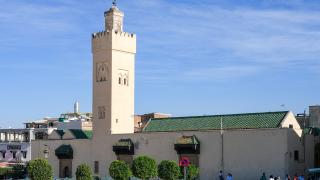
Most mosques in Morocco prohibit non-Muslim entry. This rule applies to nearly all local prayer houses. Visitors must respect this restriction strictly. However, the Hassan II Mosque in Casablanca offers a key exception. It welcomes tourists for guided tours. This structure is one of the world’s largest mosques. You must adhere to strict dress codes before entering. Shoulders and knees must remain fully covered at all times. Women are required to wear a headscarf. These requirements ensure modesty within the sacred space. You must remove your shoes before entering prayer halls. Silence is mandatory inside these holy areas. Photography restrictions vary by specific site rules. Always check signage or ask guides for permission. The King holds the title of Commander of the Faithful. This unifies political and spiritual leadership in the nation. Islam influences daily life, architecture, and social interactions deeply. Understanding these customs enhances your cultural experience. Proper etiquette demonstrates respect for local traditions. Non-Muslims should avoid entering during prayer times generally. The Hassan II Mosque operates on specific tour schedules. Plan your visit according to their official hours. Respect for religious boundaries is essential for all travelers. This fosters positive interactions with the local community. Morocco promotes interfaith tolerance through its constitution. Minority Christian and Jewish communities are protected. This legal framework supports peaceful coexistence. Travelers should observe these norms diligently. Cultural sensitivity is valued highly in Moroccan society.
Ramadan Observance and Etiquette
Ramadan shifts Morocco’s daily rhythm significantly. Fasting occurs from dawn to sunset. Non-Muslims must exercise extreme discretion in public. Avoid eating, drinking, or smoking openly. This applies to streets, markets, and transport. Violating this norm causes serious offense. Business hours adjust to accommodate the fast. Many shops close during midday heat. Offices often operate on shortened schedules. Public transportation runs on reduced timetables. The country observes a distinct evening shift. Iftar marks the sunset meal. Streets fill with locals breaking their fast. Families gather for traditional tagine and dates. Suhoor precedes dawn, sustaining the day. Nightlife intensifies after sunset. Cafés remain open late into the night. The atmosphere becomes festive and communal. Respect the spiritual gravity of the month. Dress modestly to honor local customs. The King’s role as Commander of the Faithful underscores this unity. Interfaith tolerance exists, but religious respect is paramount. Visitors should plan meals in private or designated hotel areas. This ensures comfort without disrespect. Understanding these customs enhances your Moroccan experience. It demonstrates cultural sensitivity and awareness. Prioritize local sensitivities over personal convenience. This approach fosters positive interactions with hosts. It allows for a deeper connection to the culture. Respectful behavior is always appreciated by locals.
Dress Code and Public Modesty
Modesty is key in Morocco. Cover shoulders, chest, and knees. Loose-fitting clothing is preferred for comfort. Scarves help women cover hair or shoulders. Men should avoid short shorts. Sleeveless shirts are also discouraged. Rural areas demand greater conservatism. Urban centers like Casablanca are slightly relaxed. Always carry a scarf for mosque visits. This respects local Islamic traditions. Dressing appropriately shows cultural respect. It prevents unwanted attention. You blend in better locally. This enhances your travel experience. Respect for the King’s faith is vital. The Commander of the Faithful influences norms. Adhering to these standards is essential. It demonstrates understanding of Maliki jurisprudence. Simple choices yield the best results. Avoid tight or revealing garments. Cotton fabrics work well in heat. This approach ensures a respectful visit.
Public displays of affection are strictly prohibited. This applies to kissing or holding hands. Such behavior violates local modesty norms. Greetings require gender sensitivity. Men should wait for women to extend their hand first. A simple nod suffices if she declines. Handshakes are common among men. Always use the right hand. Hospitality centers on mint tea. Accepting an offer is polite. Refusing may cause offense. Serve tea in small glasses. Drink it quickly to show appreciation. Alcohol is restricted significantly. You cannot buy it in general stores. Licensed hotels and bars serve it only. Consumption is private, not public. Politeness drives all social exchanges. Patience is essential in interactions. Rushing conversations is considered rude. Respect elders and authority figures. Address people with appropriate titles. This builds trust and respect. Understanding these norms ensures smooth travel. It demonstrates cultural awareness and respect for Islamic values.