







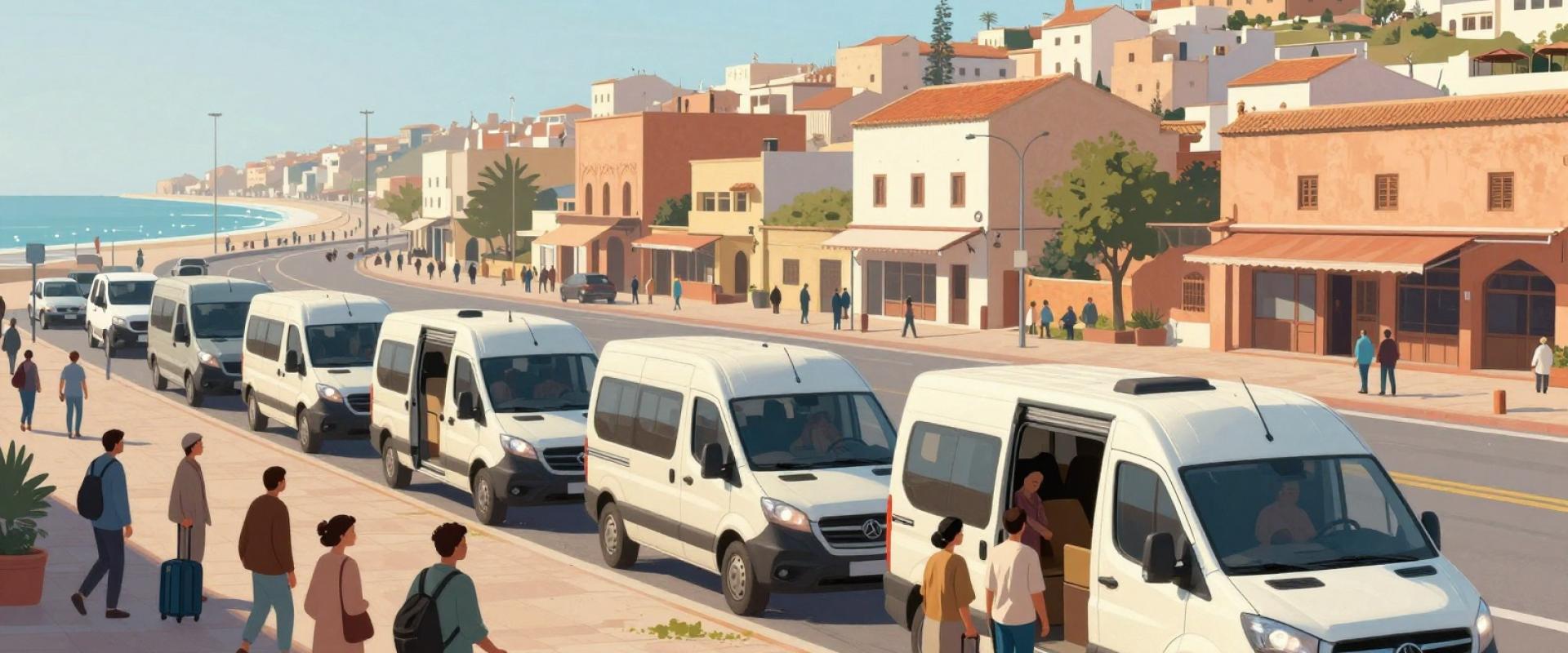
Morocco offers distinct shared transport options for intercity and urban travel. CTM and Supratours buses provide reliable, scheduled intercity service. These coaches connect major cities with air-conditioned comfort. Grand taxis serve as vital shared links between smaller towns. They operate on fixed routes but depart only when full. This model requires patience but offers extensive rural coverage. Petit taxis are strictly limited to urban zones within cities. They cannot travel between cities or long distances. Shared mobility is culturally embedded in daily Moroccan life. However, shared shuttles often lack door-to-door convenience. Private transfers are often more cost-effective for groups of two to four travelers. For example, a private Marrakech-to-Essaouira transfer costs approximately €21 per person for four passengers. Shared shuttle rates for the same route range from €25 to €30. Therefore, shared transport is primarily recommended for solo budget travelers. Small groups achieve better value and comfort through private options. Understanding these distinctions helps travelers choose the right mode. Grand taxis fill gaps where formal bus networks do not reach. Urban petit taxis handle short, local trips efficiently. Intercity buses remain the standard for long-distance shared travel.
Booking and Logistics
Booking methods differ significantly between Morocco’s bus companies and taxi networks. CTM and Supratours buses require advance reservations. You can book seats online or at station counters. This ensures a guaranteed spot on scheduled intercity routes. Arriving early is still recommended for luggage space. Grand taxis operate on a completely different model. These shared vehicles have no reservation system. You must visit the local taxi rank directly. The process is first-come, first-served. You join the queue or wait for a full vehicle. This requires patience and flexibility in your schedule. Cash is the universal payment method for shared transport. Credit cards are rarely accepted for these services. You must carry Moroccan Dirhams (MAD) in small bills. Exact change helps speed up transactions at busy ranks. Prices are fixed by the government for intercity routes. However, urban shared taxi fares may vary slightly. Always confirm the price before entering the vehicle. The Marrakech to Essaouira route illustrates cost differences. A private transfer costs roughly €21 per person for four. A shared shuttle costs €25–30 per person. Private options are often cheaper for small groups. Shared transport remains best for solo budget travelers. Door-to-door convenience is limited with shared options. You must navigate to specific pickup points. Plan extra time for these logistical steps. Understanding these logistics prevents delays during your trip.
Cost and Value Analysis
Shared shuttles in Morocco generally cost more per person than private transfers for small groups. A private transfer from Marrakech to Essaouira costs approximately €21 per person for four passengers. In contrast, a shared shuttle on this same route costs between €25 and €30 per person. This price difference eliminates economies of scale for groups of two to four travelers. Shared transport remains the superior financial choice only for solo budget travelers seeking minimal expense. Private transfers offer better value through comfort and direct routing for small parties. Shared options like Supratours, CTM, and Grand Taxis lack door-to-door convenience. Passengers must arrange last-mile connectivity from bus stations or taxi ranks to final destinations. This adds hidden costs for local taxis or additional walking time. Space limitations also affect value. Shared shuttles have strict luggage restrictions compared to private vehicles. Travelers with bulky gear may face extra fees or denied boarding. Operational consistency favors private transfers. The service provider prioritizes private options to maintain quality standards. Shared services often lack the reliability expected by international tourists. Financial analysis shows private transfers are more cost-effective for most small groups. Solo travelers should weigh the slight savings of shared buses against the inconvenience of transfers. The €4–9 premium for private transport buys significant time and comfort. This trade-off defines the value proposition in the Moroccan transport market.
Safety and Etiquette
Personal security remains paramount when using shared transport in Morocco. Keep valuables in sight at all times. Baggage should remain under direct supervision. Theft can occur in crowded bus terminals. Grand taxis require specific etiquette for smooth travel. Always negotiate the fare before entering the vehicle. Agree on the total price for the entire car. Do not accept per-person rates unless explicitly stated. This prevents unexpected cost increases during the journey. Cultural norms influence seating arrangements significantly. Men typically sit in the front passenger seat. Women often occupy the rear bench for privacy. Respect these unwritten rules to avoid discomfort. Road safety standards vary across different regions. Major highways are generally well-maintained and safe. Rural roads may lack proper lighting or signage. Plan all intercity travel during daylight hours. Night driving increases accident risks significantly. Shared shuttles lack door-to-door convenience. This limitation requires careful logistical planning. Private transfers offer superior safety for small groups. Consider this option for late-night arrivals. Always verify vehicle registration and driver credentials. Reputable companies like CTM maintain strict safety protocols. Supratours buses also adhere to high standards. Avoid unlicensed taxis operating near tourist hubs. These vehicles often lack proper insurance coverage. Prioritize comfort and verified operators for peace of mind.
Route Planning and Accessibility
Network coverage varies significantly across Morocco. Major cities like Marrakech and Casablanca have dense shared shuttle routes. Rural areas lack consistent scheduled services. You must verify schedules with local hotel staff or taxi drivers. Timetables change frequently without public notice. Physical demands are high for most shared options. Grand taxis and buses often lack wheelchair accessibility. Steps and narrow aisles hinder mobility-impaired travelers. Door-to-door service is rarely available on shared shuttles. You must arrange separate transport to and from hubs. Transfer times between connections can be lengthy. Wait times at stations are unpredictable. Plan for extra hours during peak travel seasons. Solo budget travelers manage these challenges best. Small groups find private transfers more efficient. Shared shuttles require flexibility and patience. Always confirm pickup locations the day before. Local knowledge is essential for successful navigation. Avoid relying solely on online maps for rural routes. Accessibility remains a significant barrier for many tourists. Prioritize direct routes to minimize physical strain. Verify vehicle types before booking. Ensure your luggage fits within standard constraints. Shared transport requires active participation in logistics.