





The Art of the Souk
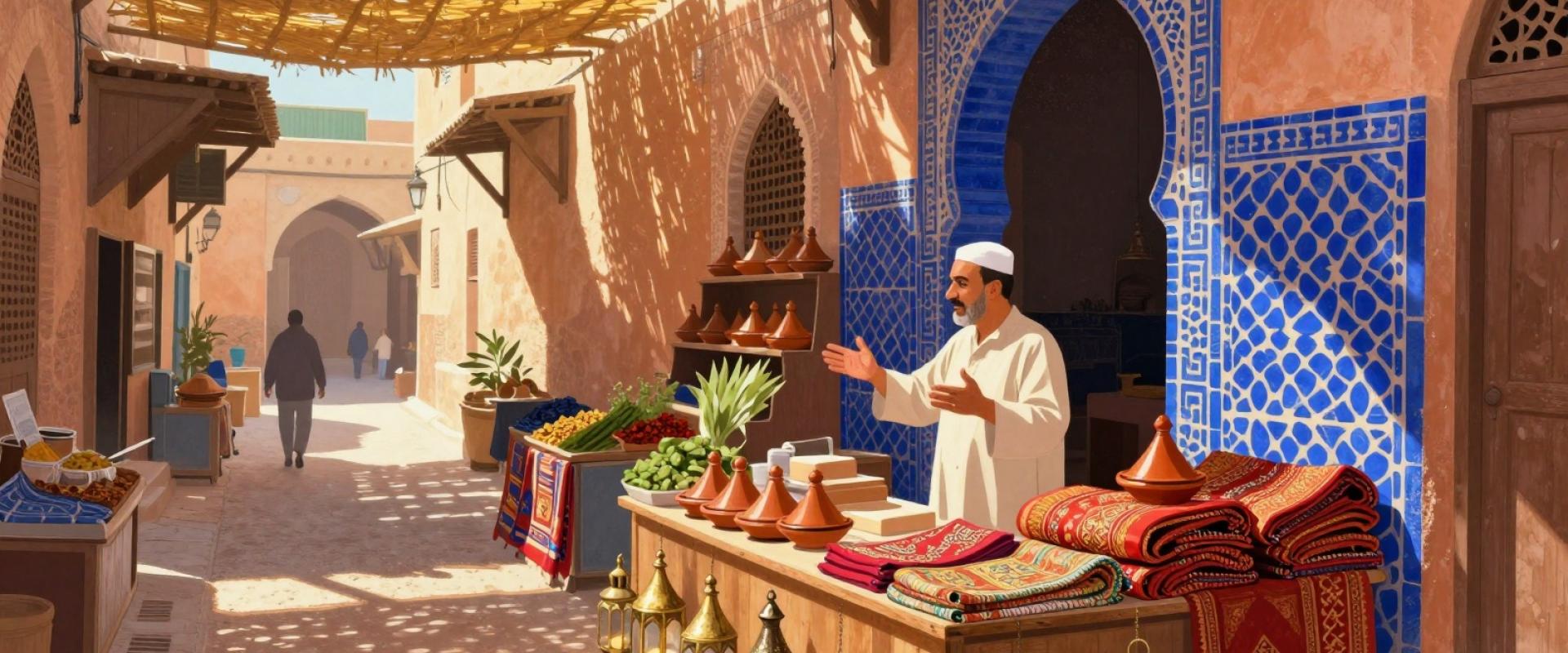
Haggling in Moroccan souks is a cultural tradition, not a conflict. It functions as a social ritual requiring politeness and patience. This practice is expected in traditional markets but not in fixed-price boutiques. Negotiations begin with friendly banter to build rapport between buyer and seller. Start offers at 30–40% of the asking price. Increase subsequent bids in 10% steps. Aim to reach a final price of 40–60% of the initial quote. Use the walk-away technique if negotiations stall. Carry small bills to facilitate smoother transactions. Set a personal price limit before entering the market. Avoid haggling during prayer times to show respect for local customs. Respect the craftsmanship behind each item. This approach ensures mutual respect and fair value. The process transforms shopping into an engaging interaction. It defines the unique atmosphere of Moroccan markets. Focus on connection rather than just the transaction. This method applies across major hubs like Marrakech and Fes. It reflects the deep-rooted social fabric of the region.
Mastering the Negotiation
Begin negotiations at 30–40% of the seller’s initial asking price. This low starting point signals serious intent to bargain. Increase your offers in 10% increments during the exchange. This gradual approach builds trust without conceding too quickly. Aim for a final agreed price of 40–60% of the original quote. This range represents a fair compromise for both parties. Use the 'walk-away' technique respectfully if the price remains high. Pause, smile, and begin to leave the stall calmly. Often, the seller will call you back with a better offer. If they do not, accept the silence as a final refusal. Carry small bills to facilitate easier transactions in the souk. Large notes can complicate the bargaining process significantly. Set a personal price limit before entering any market. Stick to this limit to avoid overspending on souvenirs. Avoid haggling during prayer times out of respect for local customs. This practice is expected in traditional markets but not in fixed-price boutiques. Engage in friendly banter to establish a rapport with vendors. Mutual respect is essential for a successful negotiation. Remember that haggling is a cultural tradition, not a conflict. Patience and politeness yield the best results in Moroccan souks.
Identifying Authentic Goods
Verify authenticity by inspecting materials for natural imperfections. Genuine leather retains a distinct, earthy scent. Synthetic alternatives often smell chemically or plastic-like. Check knot density in textiles for quality. Tighter knots indicate superior craftsmanship and durability. Examine dye vibrancy to ensure natural origins. Faded or uneven colors may signal artificial processing. Look for hand-painted variations in ceramics. Perfect symmetry often indicates mass-produced factory items. Moroccan pottery features unique, slight irregularities. Prioritize certified cooperatives for regulated goods like argan oil. These entities enforce strict quality standards for export. Verify labels for "Appellation d'Origine Contrôlée" status. Support local artisans by verifying direct craftsmanship. Ask sellers about the production region. Authentic rugs often originate from specific tribal areas. Avoid items sold in fixed-price boutiques if seeking traditional souk experiences. Haggling is not expected in these regulated stores. Instead, focus on verifying the origin certificate. Carry small bills to facilitate transactions for smaller authentic items. This practice respects local market customs and traditions.
Cultural Etiquette & Timing
Always greet vendors with "Salam Alaykum" before initiating any transaction. This respectful greeting establishes trust and sets a positive tone for the interaction. Maintain polite body language throughout the negotiation process. Avoid aggressive gestures or impatient behavior, which can offend local merchants. Timing is critical for successful bargaining. Strictly avoid haggling during prayer times. Merchants require this time for religious observance and personal reflection. Shop in the morning for better engagement. Vendors are typically more energetic and willing to negotiate early in the day. Carry small bills to facilitate smoother transactions. This prevents awkwardness when exact change is unavailable. Check export restrictions for antiques and artifacts before purchase. Moroccan law strictly regulates the removal of historical items. Violating these laws can result in severe legal penalties. Ensure you have proper documentation for any valuable goods. Respect local craftsmanship by acknowledging the skill involved. This cultural appreciation often leads to fairer prices. Always verify authenticity before finalizing any deal. Genuine goods require careful inspection of materials and construction. Synthetic items lack the distinct scent of natural leather. Focus on building a respectful relationship with the seller. This approach yields better long-term benefits in the souk.
Budgeting & Final Tips
Set a daily souvenir budget before entering the souk. Stick to this limit to avoid overspending. Compare prices across multiple shops in the same market. Prices for rugs vary significantly between vendors. Start with a low offer, around 30–40% of the asking price. Increase your bid in 10% increments. Aim for a final price of 40–60% of the initial quote. Use the walk-away technique if negotiations stall. This signals serious intent to purchase. Consider shipping for large items like leather goods. Carrying heavy rugs through narrow souk alleys is difficult. Request official receipts for high-value purchases. This ensures authenticity and aids customs clearance. Carry small bills for easier transactions. Avoid haggling during prayer times. Respect local customs and craftsmanship. Focus on positive interactions with vendors. These exchanges create authentic memories beyond the transaction. Keep your tone polite and patient throughout the process.