




The Cultural Dance of Haggling
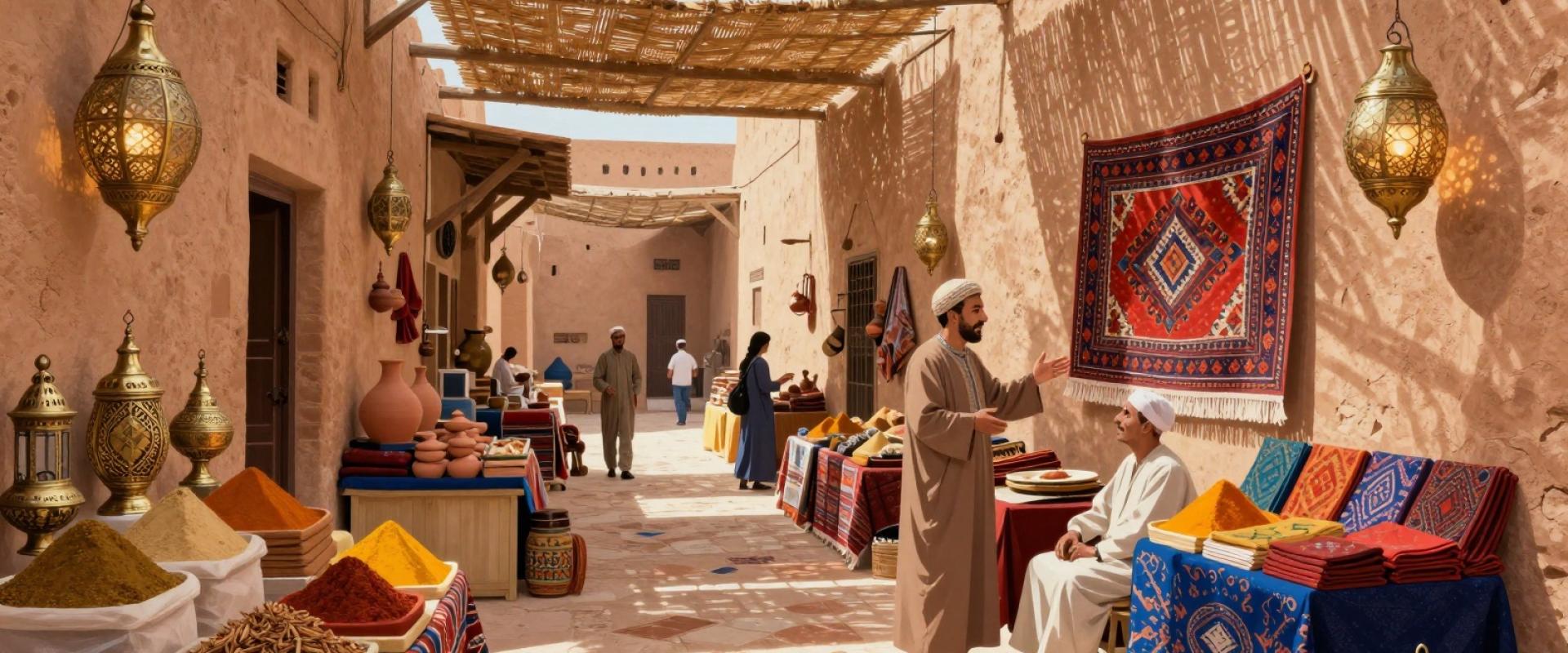
Bargaining in Moroccan souks is a mandatory cultural ritual, not a simple transaction. Fixed prices rarely exist in markets like Marrakech. You must engage in this social dance to complete any purchase. Refusing to negotiate signals disengagement and may offend the vendor. The process builds rapport between buyer and seller. It is a shared responsibility requiring grace and purpose. Do not approach the interaction as a power struggle. Instead, view it as pure human interaction between equals. Avoid official guides who demand commissions on your purchases. These intermediaries add unnecessary costs to your final bill. Venture into the souk independently to negotiate directly. This ensures you pay the true market value. The experience offers insight into local artisan traditions. You will encounter diverse goods, from spices to rugs. Engage with vendors selling leather goods and jewelry. The negotiation itself is often more valuable than the item. It provides a genuine connection to Moroccan daily life. Treat the exchange with respect and patience. This approach ensures a fair and authentic shopping experience.
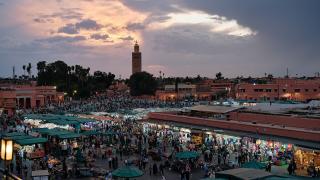
Moroccan souks function as complex, specialized mazes. Stalls cluster by trade type, creating distinct zones. You will find leather goods in one area and spices in another. This layout requires careful navigation. Avoid 'official' guides who approach you inside the market. These individuals receive commissions on your purchases. Their assistance adds unnecessary costs to your transaction. Independent exploration ensures a more authentic experience. You negotiate directly with vendors without intermediaries. This method respects the local cultural dance of haggling. Fixed prices rarely exist in these historic markets. Engage with artisans selling diverse items like rugs. The process offers insight into local craftsmanship. Do not feel embarrassed by the negotiation. It is a required social interaction. Step down from a consumer mindset. Treat vendors as equals during discussions. This approach fosters better relationships and fairer prices. Explore the alleys at your own pace. You discover unique items away from tourist traps. Direct interaction supports local artisans directly. This method preserves the integrity of the souk system. You gain genuine cultural understanding through this practice. Independent navigation remains the most effective strategy for shoppers.
The Art of the Negotiation
Begin by offering 30 to 50 percent of the initial asking price. This low start sets the tone for the cultural dance. Expect a lively, friendly exchange with the vendor. The process is a required social ritual in Moroccan souks. Do not feel embarrassed by the back-and-forth banter. Maintain politeness and respect throughout the entire interaction. View the negotiation as a shared responsibility between equals. Avoid official guides who demand commissions on your purchases. Negotiate directly with artisans to ensure fair pricing. Aim for a mutually agreeable price that satisfies both parties. This approach builds rapport and ensures a positive experience. The goal is not to defeat the seller. It is to reach a fair conclusion together. Engage with vendors selling spices, leather, or rugs. This interaction provides insight into local artisan traditions. Step down from a consumer mindset. Approach the transaction with purpose and grace. This method respects the local culture and economy.
Identifying Quality and Authenticity
Inspect items closely for signs of genuine hand-made craftsmanship. Moroccan artisans prioritize unique details over industrial uniformity. Be wary of overly perfect or uniform pieces. These often indicate mass-produced imports rather than local goods. Ask vendors directly about the origin of their materials. Inquire specifically about the artisan who created the item. This question reveals the item's true provenance and value. Focus on quality to support local artisans effectively. Authentic rugs, leather, and ceramics show slight imperfections. These minor flaws prove the item is handmade. Avoid items that look identical to others in the stall. Verify the material type before finalizing any purchase. Genuine Moroccan leather feels distinct and durable. Check stitching on textiles for consistency and strength. Supporting skilled workers ensures the preservation of traditional methods. Your purchase directly impacts the local artisan community. Prioritize durability and authentic design over low prices. This approach guarantees you receive a true Moroccan souvenir.
Budgeting and Finalizing Purchases
Set a strict budget before entering the souk. Moroccan dirhams are the standard currency for all transactions. Carry small bills and coins to facilitate easier payments. Vendors often lack change for large notes. Confirm the total price, including taxes, before paying. This prevents unexpected charges at the checkout. Large items like rugs require special shipping arrangements. Do not assume local delivery is included. Arrange transport separately to ensure safe transit. Express gratitude to vendors for their hospitality. This gesture maintains good relations and respect. It acknowledges the cultural exchange inherent in the trade. Always pay the agreed-upon amount directly to the seller. Avoid third-party guides who may charge extra commissions. Direct transactions ensure transparency and fair pricing for both parties.