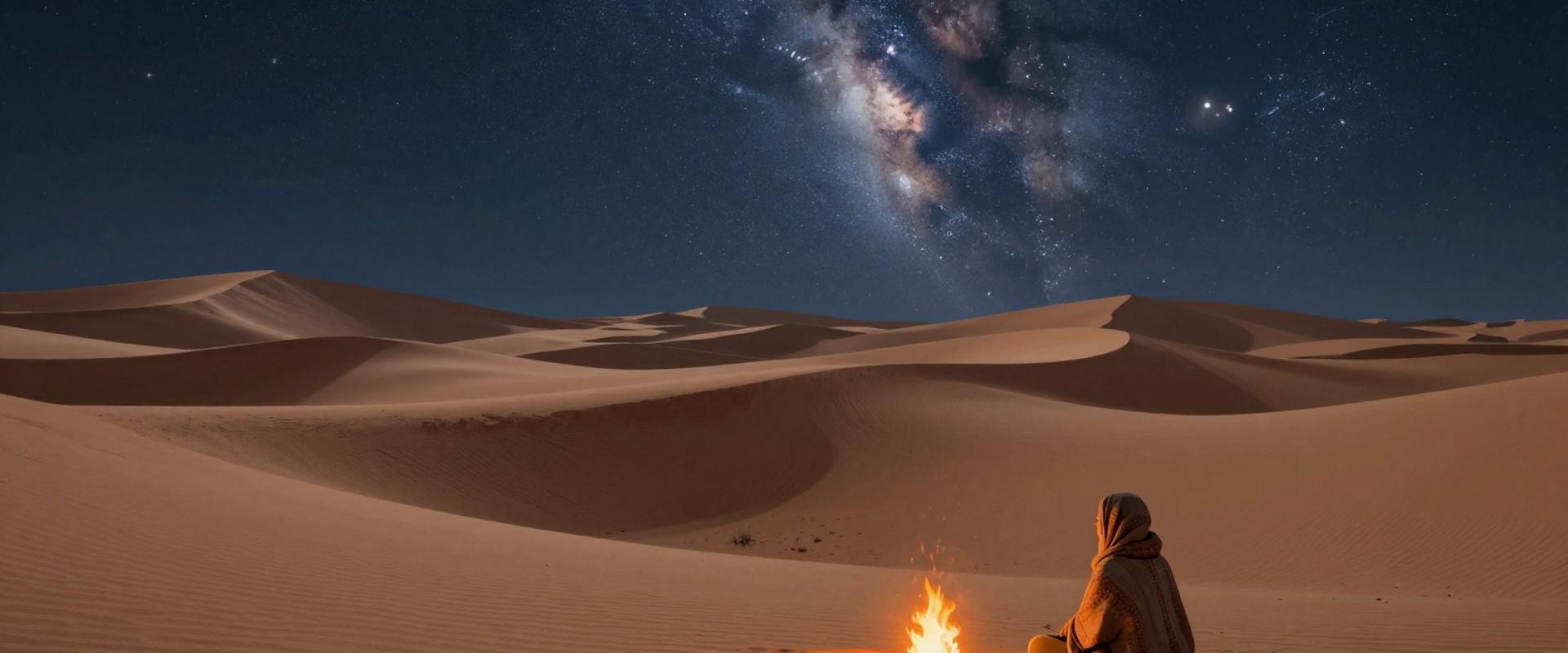
Why Morocco’s Skies Shine
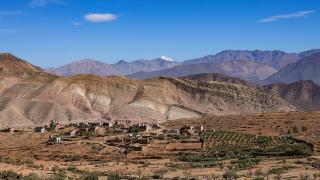
Morocco offers exceptional stargazing conditions in its desert regions. The Sahara Desert features Bortle Class 1-2 skies. These levels indicate extremely dark night skies. Light pollution is virtually nonexistent in remote areas. The High Atlas Mountains provide high-altitude viewing opportunities. Elevation reduces atmospheric interference for clearer observations. Locations like Merzouga and Agafay are prime spots. These areas are accessible to non-professional astronomers. You do not need specialized equipment to start. Basic telescopes or naked-eye viewing work well. The diverse landscapes offer unique photography backdrops. Sand dunes and rocky plateaus create striking compositions. Night tours are available from major hubs. Tours typically depart from Merzouga or Zagora. Travelers can reach these sites within hours. The climate remains dry during peak seasons. Clear skies are common from October to April. This period offers the best visibility. Local guides help navigate the terrain safely. They also explain celestial events in real-time. Morocco combines accessibility with world-class astronomical conditions. This makes it a top global destination. The experience is suitable for all skill levels. Families and solo travelers find it rewarding. The combination of geography and darkness is unique. No other North African region matches this clarity. Morocco’s skies remain consistently dark and bright.
Prime Viewing Locations
Merzouga offers vast Erg Chebbi dunes. Luxury camps provide comfortable viewing platforms. Visitors observe Bortle Class 1-2 skies here. The Sahara backdrop enhances celestial visibility. Zagora provides a rugged, remote experience. This area suits adventurous stargazers seeking isolation. Roads are less developed than in Merzouga. Agafay Desert lies near Marrakech. It offers proximity for weekend trips. The rocky landscape differs from sandy dunes. High Atlas mountains create dramatic backdrops. Elevation reduces atmospheric interference significantly. Clear air improves star clarity. Tour operators in Merzouga organize guided trips. These include transport and telescope access. Costs vary by camp luxury level. Zagora tours require self-driving or local guides. Agafay options range from day visits to overnight stays. High Atlas locations demand 4x4 vehicles. Winter months offer the clearest skies. Summer heat can distort atmospheric views. All locations require minimal light pollution. Avoid full moon nights for best results. Bring warm clothing for desert nights. Temperatures drop sharply after sunset. Red lights preserve night vision effectively.
Timing and Lunar Phases
Plan visits between October and April for optimal conditions. These months offer cooler desert temperatures. Nighttime comfort improves significantly during this period. Avoid summer months due to extreme heat. Lunar phases drastically affect visibility. Schedule trips around the new moon. This phase provides the darkest skies. Full moons create excessive ambient light. They wash out faint celestial objects. Check lunar calendars before booking tours. Meteor showers offer unique viewing opportunities. Perseids peak in August. Orionids appear in October. These events draw large crowds. Book accommodations well in advance. Agafay Desert remains accessible year-round. Merzouga requires careful seasonal planning. Temperature drops sharply after sunset. Bring warm layers for comfort. Clear skies are common in winter. Rain is rare but possible. Always verify weather forecasts locally. Local guides monitor conditions daily. They adjust itineraries for safety. Professional tours include astronomical guidance. They explain celestial movements clearly. This enhances the educational value. Stargazing requires patience and preparation. Proper timing ensures the best experience. Darkness is essential for deep sky objects. Plan accordingly for maximum impact.
Essential Gear and Safety
Prepare for significant temperature drops after sunset in the Moroccan Sahara. Nights in Merzouga and Agafay can become extremely cold. Pack thermal clothing layers to maintain body heat. Insulated sleeping bags are essential for overnight desert camps. Bring sturdy footwear for navigating uneven dune terrain safely.
Use red-light flashlights to preserve night vision. This tool allows you to read maps without disrupting your eyes. Standard white lights destroy dark adaptation quickly. Bring a reliable compass and GPS device. Guided tours are highly recommended for navigation. Local guides know the safe paths through Erg Chebbi.
Respect local Berber customs during your visit. Ask permission before photographing people or private property. Follow all instructions provided by your tour operator. Stay hydrated with ample water supplies. Avoid straying from designated camp areas. Professional guides ensure compliance with regional safety regulations. They monitor weather changes and terrain hazards. This approach minimizes risk in remote locations. Prioritize safety over independent exploration in the deep desert.
Choosing a Tour Operator
Select specialized astrotourism operators for expert guidance in Morocco’s desert regions. Professional guides understand local Bortle Class 1-2 sky conditions. They navigate Merzouga and Agafay locations effectively. Reading recent reviews ensures reliable service quality. Verify operator experience with specific desert camps. Customizable itineraries accommodate varying interest levels. Choose packages that include telescope access. All-inclusive options cover transport and meals. This reduces logistical stress during travel. Verify inclusion of thermal gear rentals. Cold nights in the Sahara require preparation. Compare pricing for Merzouga versus Zagora trips. Ensure operators provide clear cancellation policies. Professional support enhances safety and visibility. Avoid generic agencies lacking astronomical focus. Prioritize operators with verified local partnerships. This guarantees authentic desert stargazing experiences. Check for updated 2026 tour availability. Confirm lunar phase alignment with your dates. Proper planning maximizes celestial observation opportunities.