- Where
- Casablanca, Casablanca-Settat
- Directions
- Directions
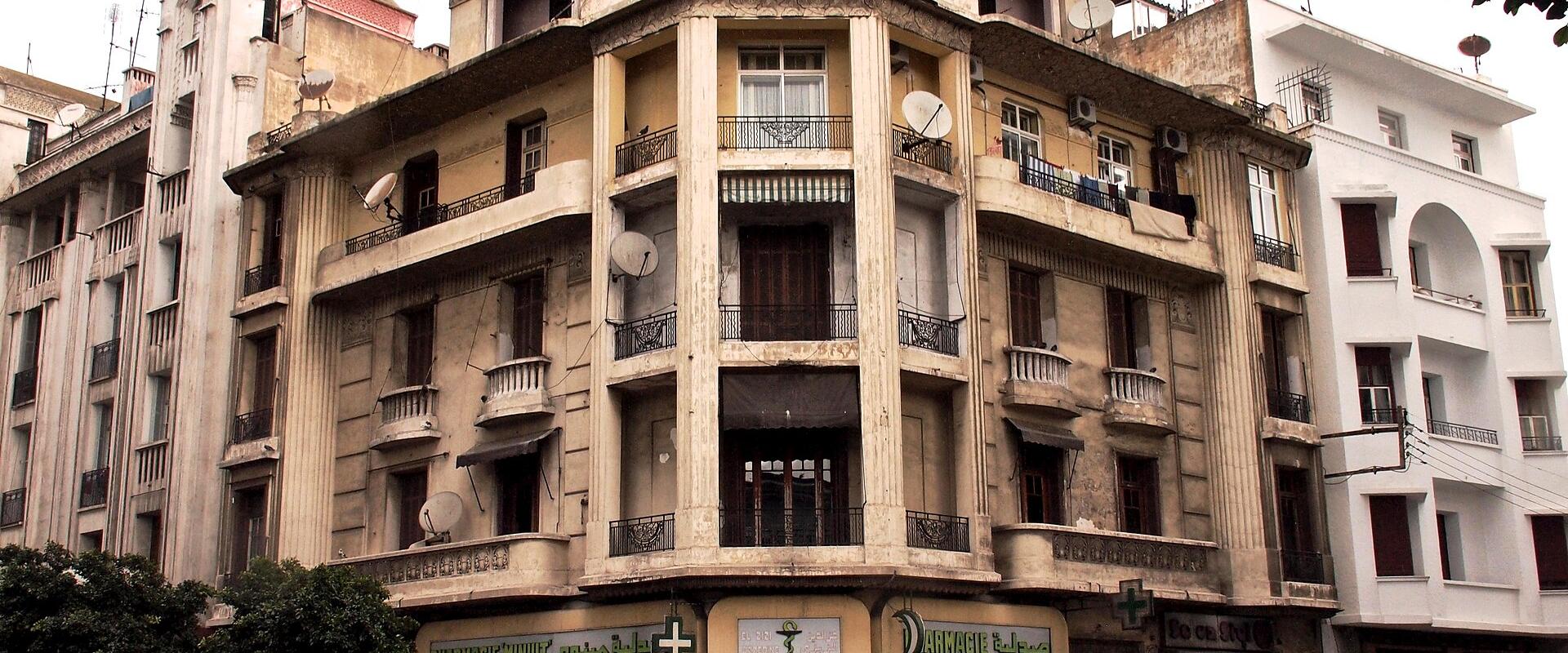
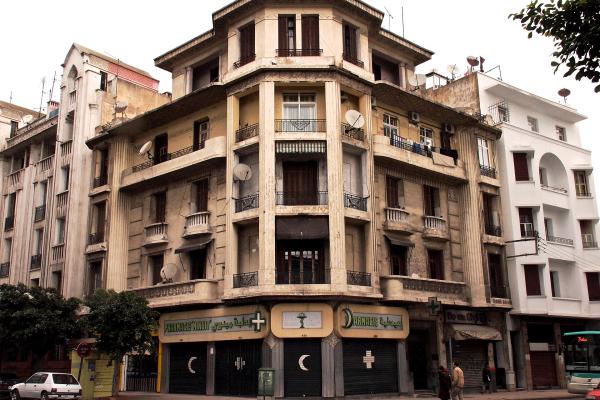
Casablanca has one of the finest collections of Art Deco buildings in Africa, and a walking tour of the central districts is the best way to see them. The style arrived with the French protectorate, in the 1920s and 1930s, when the city was expanding at great speed and architects were given the chance to experiment on a large scale. The planner Henri Prost laid out the new town with wide boulevards, squares and regular blocks, and architects filled it with apartment buildings, cinemas, hotels, banks and villas in modern styles, many of them blending Art Deco geometry with Moroccan decorative details such as carved wood, zellij and ironwork. The result is a city centre that looks unlike anywhere else in the country.
Art Deco is recognisable by its clean lines, stepped forms, curved corners, geometric ornament and sense of movement, and in Casablanca the style was adapted to the climate with balconies, deep window reveals and shaded arcades. Look for corner buildings with rounded balconies and horizontal bands, entrance halls with mosaic floors and ironwork in sunburst patterns, and tall vertical windows. Cinemas of the era, with their bold signs and curved facades, are among the most striking examples, and some retain their original lettering and decoration. Others have been converted or have fallen into disrepair, which is part of the story of the city's heritage.
Key places on a typical route include the Church of the Sacred Heart, a tall white building designed in the 1930s with slender lines and a concrete frame, which no longer functions as a church but is used for cultural events and gives a good view of the surrounding districts. The Gauthier district, a residential area to the west of the centre, has streets of Art Deco apartment blocks and villas, many with fine balconies and entrances, and it is a pleasure to walk. Around Mohammed V Square and along the main boulevards, banks, offices and public buildings show the more formal side of the style, and a few buildings associated with government use similar vocabulary. In the Ville Nouvelle, the French-built new town, the grid of streets makes it easy to follow a loop.
While a few guided tours operate, most people explore independently, using a map or an app. Allow a half day and wear comfortable shoes. Many facades are better seen from across the street, and visitors should avoid walking into private entrance halls without permission. Early morning and late afternoon give the best light for photography. Some buildings have been restored while others are neglected, and associations in the city have worked to raise awareness of their value.
The tour suits architecture enthusiasts, photographers and anyone curious about the European layer of Casablanca's history. It gives a very different picture from the medina, and the combination of the two shows the city's contrasts. It is also a reminder that Moroccan craftsmen contributed to the buildings as well as French architects, which gives the style its local character.
Categories
More photos coming soon
Nearby Attractions
Other places to visit in Casablanca
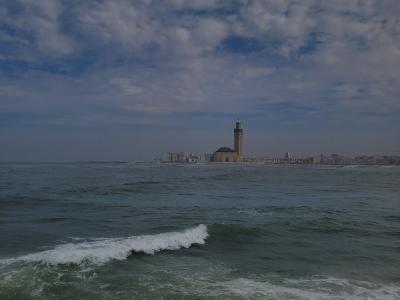
Hassan II Mosque
210m minaret mosque on Atlantic promontory
Architecture · Religious Sites
Old Medina
Historic quarter with maze-like alleys and traditional souks
Free Historic Towns · Markets
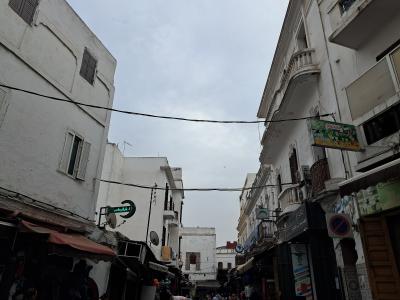
Casablanca Medina
Historic walled quarter in Morocco's largest city
Free Cultural Experiences · History & Heritage
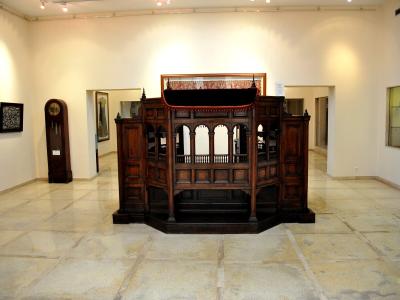
Museum Of Moroccan Judaism
Arab world's only museum dedicated to Moroccan Jewish her...
Museums · Traditional Culture
Questions people ask
Quick Facts
Best Time to Visit
Any time of year: Casablanca is mild, with January highs around 18 °C and August highs around 27 °C. Most rain falls from November to March.