
- Admission
- Free admission
- Hours
- Daily 9am-6pm
- Where
- Casablanca, Casablanca-Settat
- Directions
- Directions
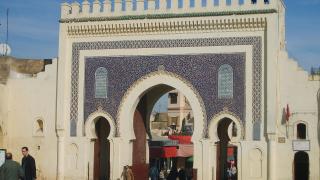
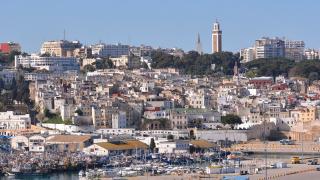
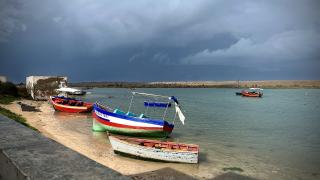
Casablanca’s image is of modern boulevards and business towers, but its old medina is a reminder that the city began as a small coastal town with a long and uneven history. The name Anfa belongs to the Berber settlement that stood on this part of the Atlantic shore before the Portuguese destroyed it in the fifteenth century, partly because it was a base for privateers. The Portuguese later built a fortified outpost here, but the real rebuilding came in the late eighteenth century under the Moroccan sultan, giving the medina its walls and street plan.
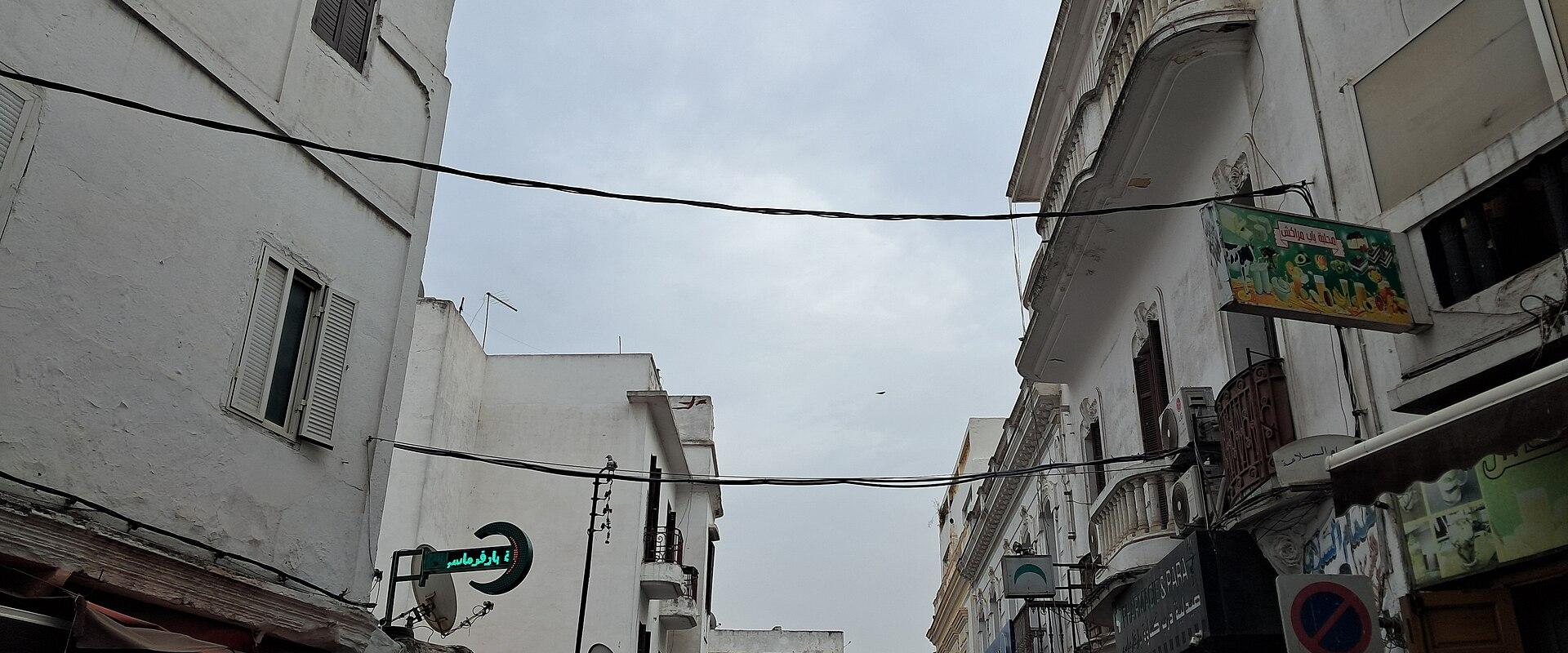
Today the Old Medina is a smaller and quieter old town than those of Fes or Marrakech, and it should be approached on those terms. Visitors will not find monumental palaces or a maze of hundreds of souks. What they will find is an ordinary neighbourhood where people still shop and live, with narrow lanes, small stalls selling clothes, household goods, fruit, bread and fish, and a few cafés where the owners know most of their customers. The pace is relaxed and the sellers are less insistent than in tourist-oriented medinas. Access is straightforward, with a main entrance close to the port and the clock tower that marks the edge of the district.
Do not confuse the old medina with the Habous quarter, which is a separate area built by the French protectorate in the 1930s as a new residential and commercial district for Moroccans. The Habous, or New Medina, is laid out in a neo-Moorish style with arcades, courtyards, a mosque, bookshops and pastry shops. It is some distance away, but a visit shows how architects tried to blend Moroccan forms with modern planning. The French-colonial downtown, with its Art Deco buildings, is the third layer, and the contrast between them tells the city's story.
The Hassan II Mosque lies a short distance along the coast, and its minaret is a landmark visible from the ramparts. A walk along the Corniche can link the two. The ramparts and the Sqala bastion are worth seeing for the sea views and the old cannons, and a stop in the garden café gives a pleasant break.
Visitors should be careful with cameras and phones in crowded lanes and avoid carrying valuables. Shops generally open in the morning and slow down in the afternoon, and Friday midday is quiet. The medina suits those who like to understand how Morocco’s largest city developed and who value real neighbourhoods over polished attractions. In Casablanca a visit of an hour or two is plenty before heading on to the Habous, the mosque or the seafront.
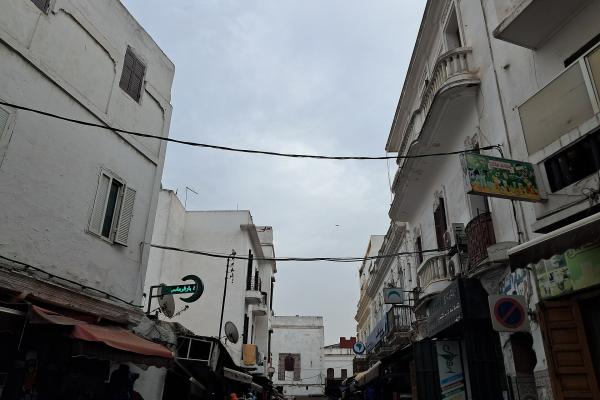
More photos coming soon
Hours & Fees
- Open
- Daily 9am-6pm
- Admission
- Free admission
Hours and prices change, especially out of season. Check with the venue before you go.
Nearby Attractions
Other places to visit in Casablanca
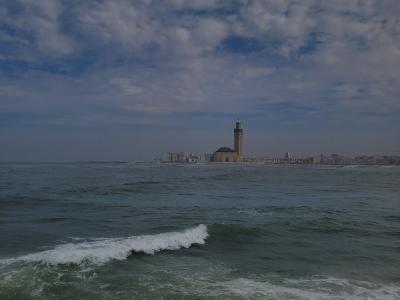
Hassan II Mosque
210m minaret mosque on Atlantic promontory
Architecture · Religious Sites
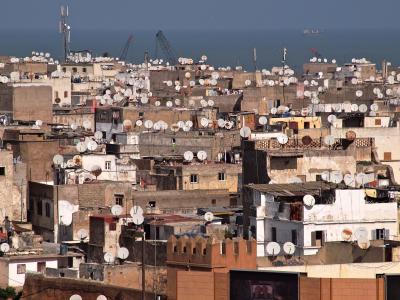
Old Medina
Historic quarter with maze-like alleys and traditional souks
Free Historic Towns · Markets
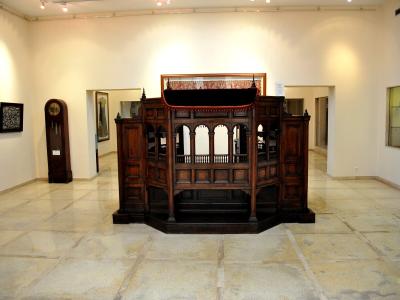
Museum Of Moroccan Judaism
Arab world's only museum dedicated to Moroccan Jewish her...
Museums · Traditional Culture
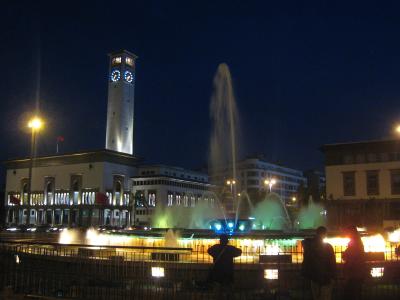
Mohammed V Square
Historic 1916 square in central Casablanca
History & Heritage · Urban Exploration
Questions people ask
Quick Facts
Best Time to Visit
Any time of year: Casablanca is mild, with January highs around 18 °C and August highs around 27 °C. Most rain falls from November to March.