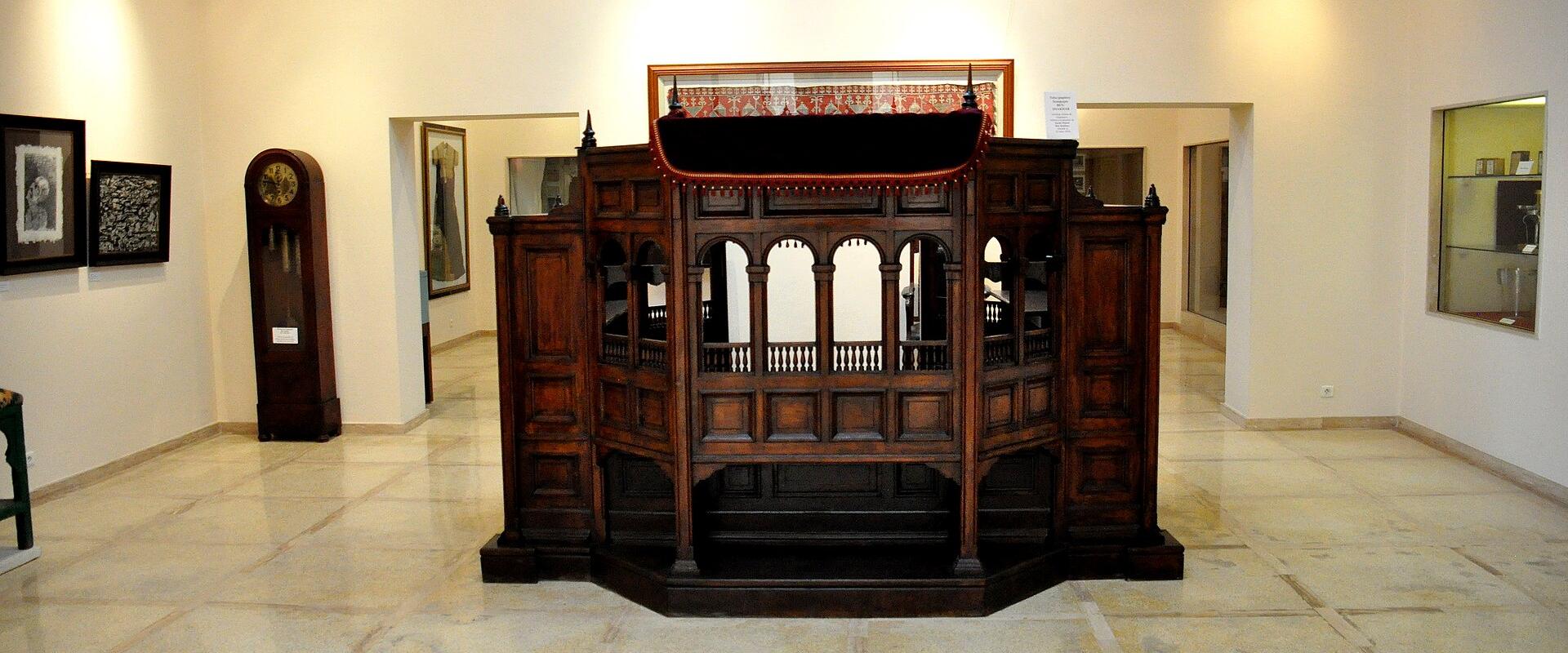
Museum Of Moroccan Judaism
Arab world's only museum dedicated to Moroccan Jewish her...
- Where
- Casablanca, Casablanca-Settat
- Directions
- Directions
The Museum of Moroccan Judaism in Casablanca is widely described as the only museum in the Arab world devoted to Jewish heritage, and it tells a story that is often overlooked outside Morocco. It is housed in a villa in the Oasis neighbourhood, set in a garden, in a building that was originally put up for a Jewish welfare institution in the middle of the twentieth century. The museum was created to document the history and culture of the Jewish community of Morocco, and it grew from the work of the Foundation of Jewish Cultural Heritage of Morocco.
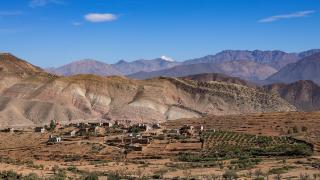
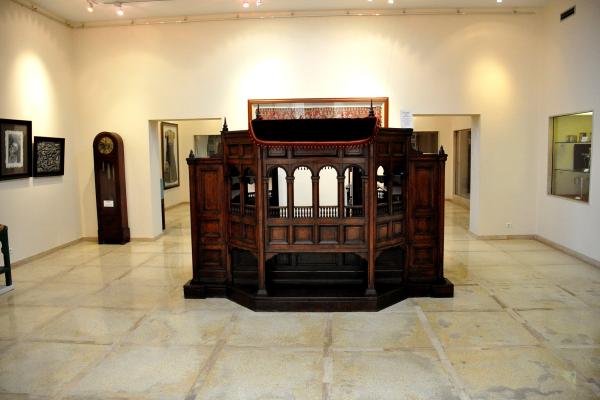
Jews have lived in Morocco for a very long time, with communities in the mountains and the plains, in the coastal towns and the imperial cities, and in the twentieth century Casablanca was home to the largest Jewish population in Morocco’s cities. Many families left after 1948, and the community is now very small, but the museum shows how deep the roots go. The exhibits include ceremonial objects, such as Torah scrolls and cases, lamps, prayer books and marriage contracts, together with traditional costumes, embroidery and jewellery, photographs, and household items. Rooms are arranged by theme and by region, showing practices that differed between the Atlas villages and the coastal cities, and the museum's curator and historian Zhor Rehihil has played a central role in building the collection and its narrative.
The museum also reflects a wider conversation about heritage. The Moroccan constitution of 2011 recognises the Hebraic strand within the national identity, and King Mohammed VI has supported programmes to restore synagogues and cemeteries across the country. The museum is part of that picture, and many visitors come from schools and from abroad, including families tracing their origins.
For visitors, expect a modest, thoughtful museum rather than a large institution. Visitors will notice that the pace is slow, the rooms are small and the labels reward reading. Because security procedures apply, bring identification and check the opening arrangements in advance. A visit takes an hour or two, and it can be combined with the Beth-El synagogue, the Old Medina and the Habous quarter, which have their own links to the city's Jewish and Muslim communities.
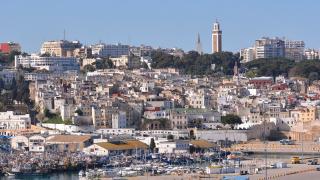
The museum suits people interested in social history, religion and migration, and anyone who wants a fuller picture of Casablanca beyond its skyline. Respectful questions are welcome, and the staff are often glad to talk about the collection.
Categories
More photos coming soon
Nearby Attractions
Other places to visit in Casablanca
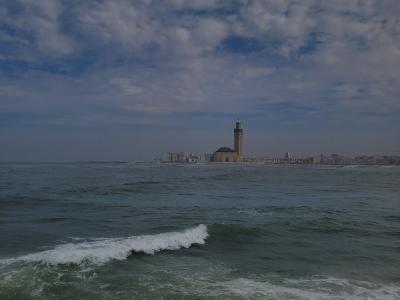
Hassan II Mosque
210m minaret mosque on Atlantic promontory
Architecture · Religious Sites
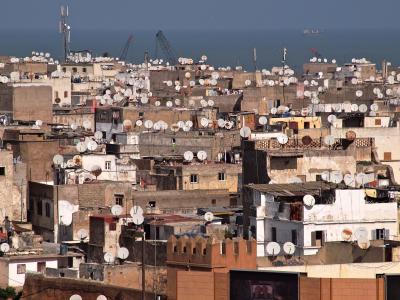
Old Medina
Historic quarter with maze-like alleys and traditional souks
Free Historic Towns · Markets
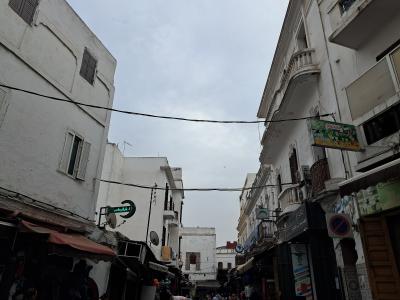
Casablanca Medina
Historic walled quarter in Morocco's largest city
Free Cultural Experiences · History & Heritage
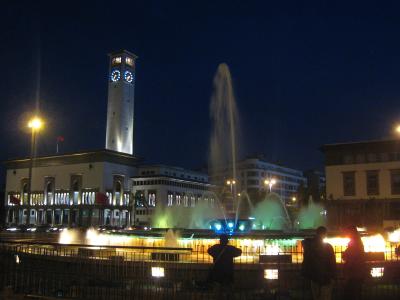
Mohammed V Square
Historic 1916 square in central Casablanca
History & Heritage · Urban Exploration
Questions people ask
Quick Facts
Best Time to Visit
Any time of year: Casablanca is mild, with January highs around 18 °C and August highs around 27 °C. Most rain falls from November to March.